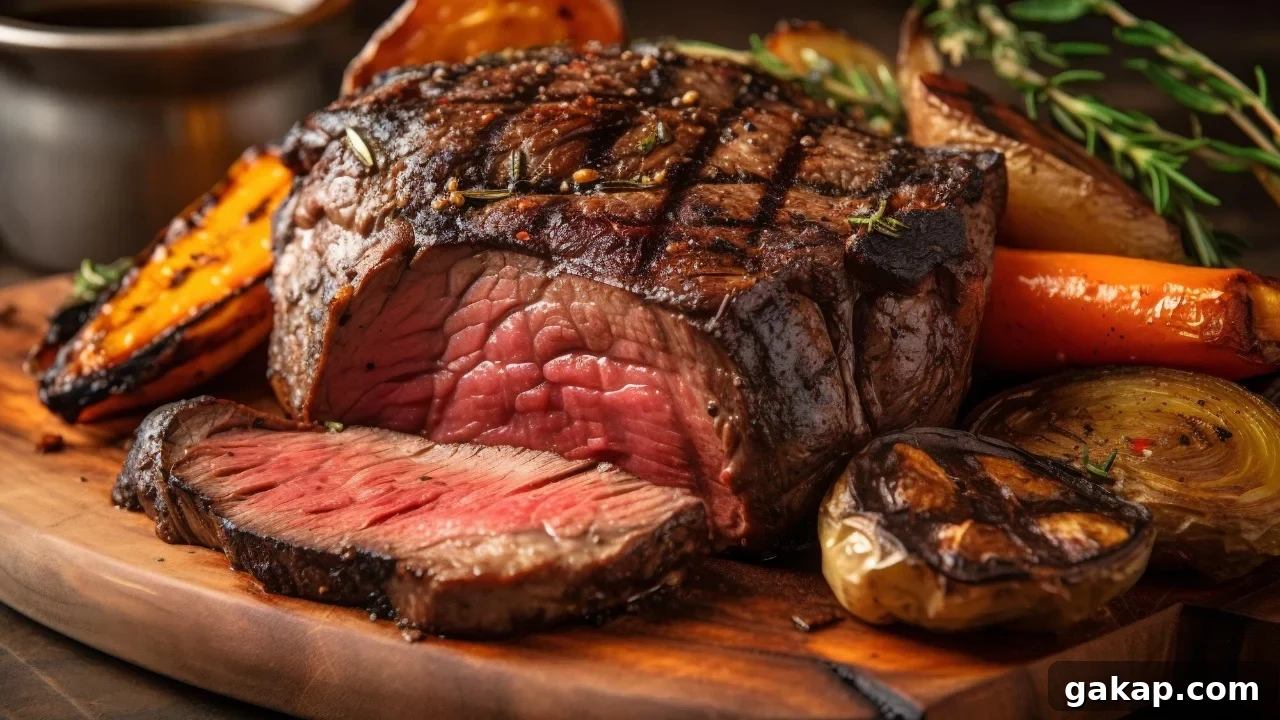
Cooking the perfect steak is a skill that rewards attention to detail. Even experienced home cooks can make mistakes that affect flavor and texture. Below are common pitfalls to avoid and practical tips to improve your steak results.
Choosing the Wrong Cut
Start by selecting the right cut for your cooking method. Ribeye and filet mignon are prized for tenderness and flavor, while flank and skirt steaks benefit from marinades and high-heat, quick cooking. Match the cut to how you plan to cook it: well-marbled cuts like ribeye are ideal for grilling because the fat keeps the meat juicy, whereas leaner cuts are better suited to marinating or slicing thinly across the grain. Knowing the characteristics of each cut helps ensure a satisfying result.
Skipping the Seasoning
Proper seasoning amplifies the steak’s natural flavor. At minimum, use salt and pepper generously. You can add complementary spices like garlic powder or smoked paprika if desired. For best results, season at least 40 minutes before cooking so the salt can penetrate the meat, or season immediately before searing. Both approaches help form a better crust and more consistent flavor throughout the steak.
Not Allowing the Steak to Reach Room Temperature
Cooking a steak straight from the refrigerator can result in uneven cooking: a well-browned exterior and an undercooked center. Remove steaks from the fridge 30 to 60 minutes before cooking so they come closer to room temperature. This helps muscle fibers relax, promotes even cooking, and improves the chance of achieving the desired internal doneness and a proper sear.
Using a Cold Pan or Grill
For a good crust, your pan or grill must be hot. The Maillard reaction—the chemical process that creates browning and complex flavors—occurs at high temperatures. Preheat your skillet or grill until it’s very hot before adding the steak. A sufficiently hot surface sears the exterior quickly, locking in juices and producing a savory crust.
Overcrowding the Cooking Surface
A crowded pan or grill drops the surface temperature and causes the meat to steam instead of sear. Leave space between steaks so heat circulates and the surface stays hot. When cooking multiple steaks, work in batches if necessary to maintain consistent high heat and ensure each piece develops a proper crust.
Flipping Too Frequently
Constantly flipping interferes with crust development. For most steaks, flip only once: let one side cook undisturbed until it forms a deep, even sear, then turn and finish the other side. This approach encourages even caramelization and helps retain juices.
Not Using a Meat Thermometer
Visual cues and timing can be unreliable. A meat thermometer removes guesswork and helps you hit the desired doneness precisely. Insert the probe into the thickest part of the steak. For a reliable guide, aim for about 130–135°F for medium-rare, adjusting to your preference. Using a thermometer prevents overcooking and keeps the steak juicy.
Cutting into the Steak Too Soon
Cutting a steak right away releases its juices and leaves the meat drier. After cooking, let the steak rest so juices redistribute throughout the muscle. This step preserves moisture and delivers a more satisfying texture in every bite.
Ignoring the Importance of Resting
Resting is an essential final step. During cooking, juices move toward the center of the steak; resting lets them redistribute evenly. Allow steaks to rest 5–10 minutes, depending on thickness. This simple pause markedly improves flavor and juiciness and makes the overall eating experience more enjoyable.
Hungry for more? Subscribe to our newsletter and join a community that shares grilling tips, recipes, and practical advice for mastering every cut.