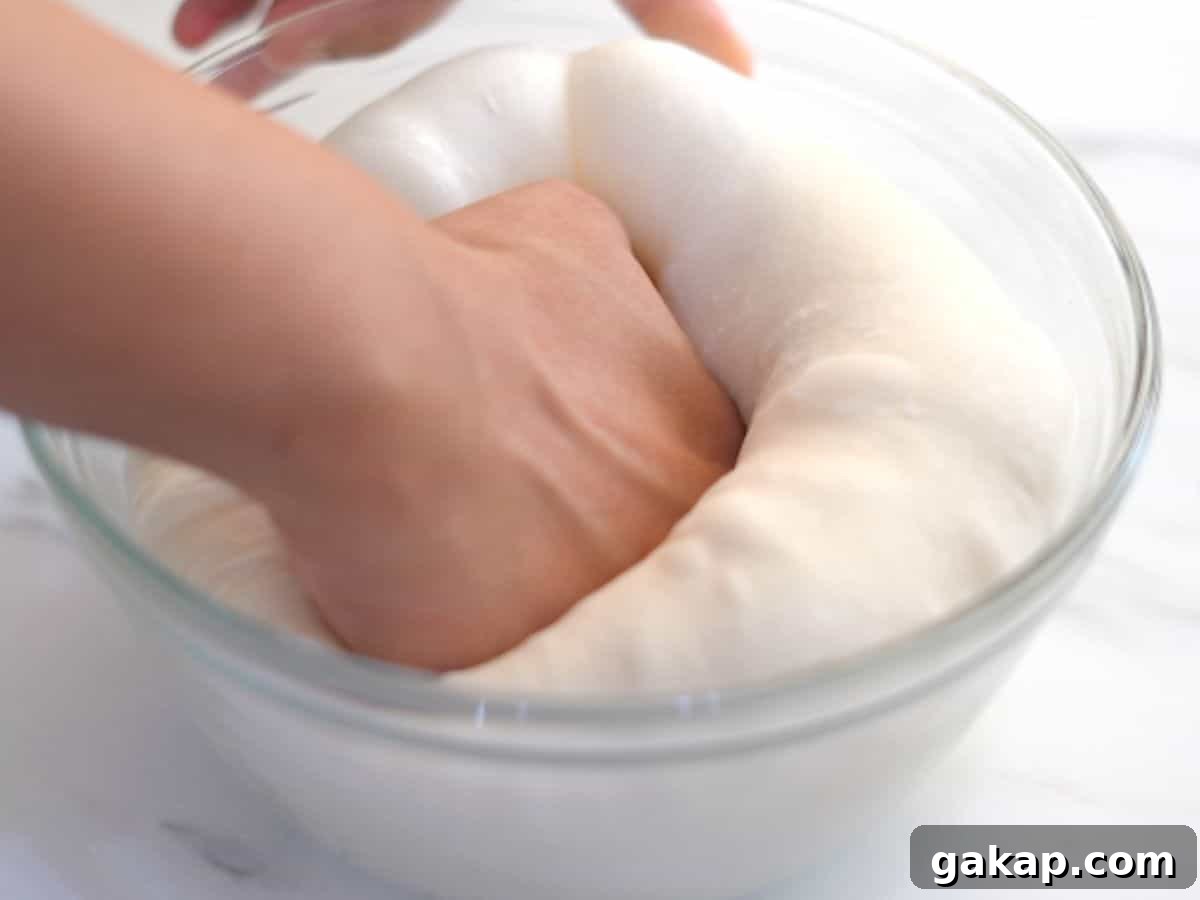
“Dough not rising” is one of the most common frustrations when making bread. If your yeast bread dough fails to rise, the cause is usually related to the yeast, since yeast is the leavening agent that creates gas and lift in dough.
Baking bread is a timeless craft. There’s a special satisfaction in pulling a homemade loaf from the oven with a golden crust and an airy, tender crumb. Yet even experienced bakers sometimes face dough that refuses to cooperate and produces a dense, disappointing loaf.
Drawing on years of bread-making experience, I’ve put together the common reasons dough doesn’t rise and practical solutions to get your baking back on track.
1. Inactive or expired yeast
Yeast is a living organism. If it’s old, expired, or stored improperly it may be inactive and unable to produce the gases needed for rising.
Solution:
Check the expiration date: Discard yeast that’s past its date. Active yeast will reliably ferment dough.
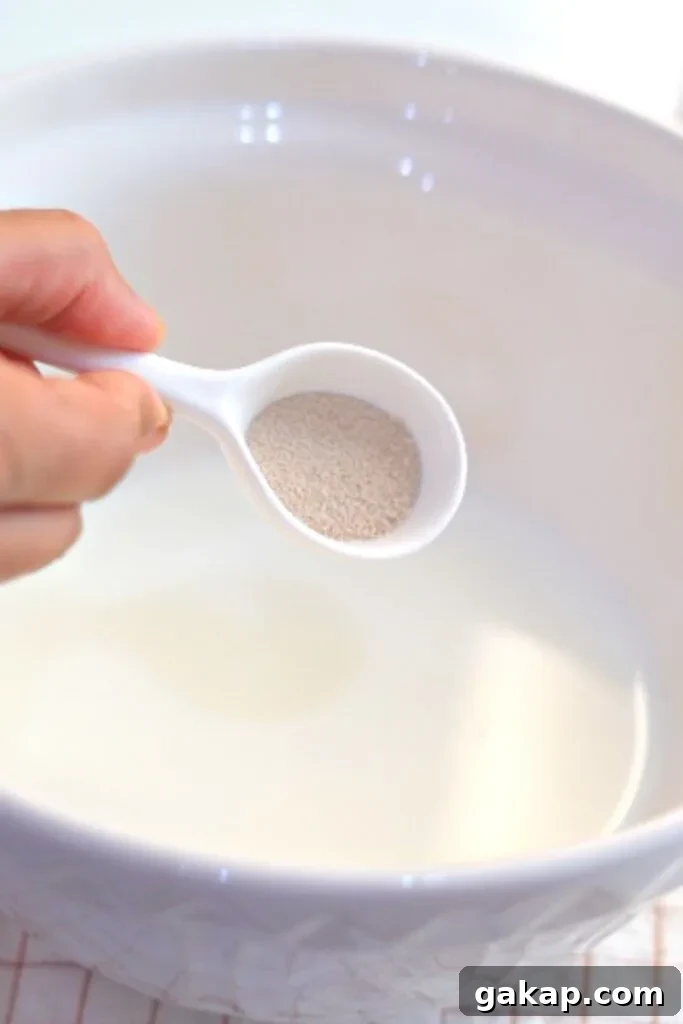
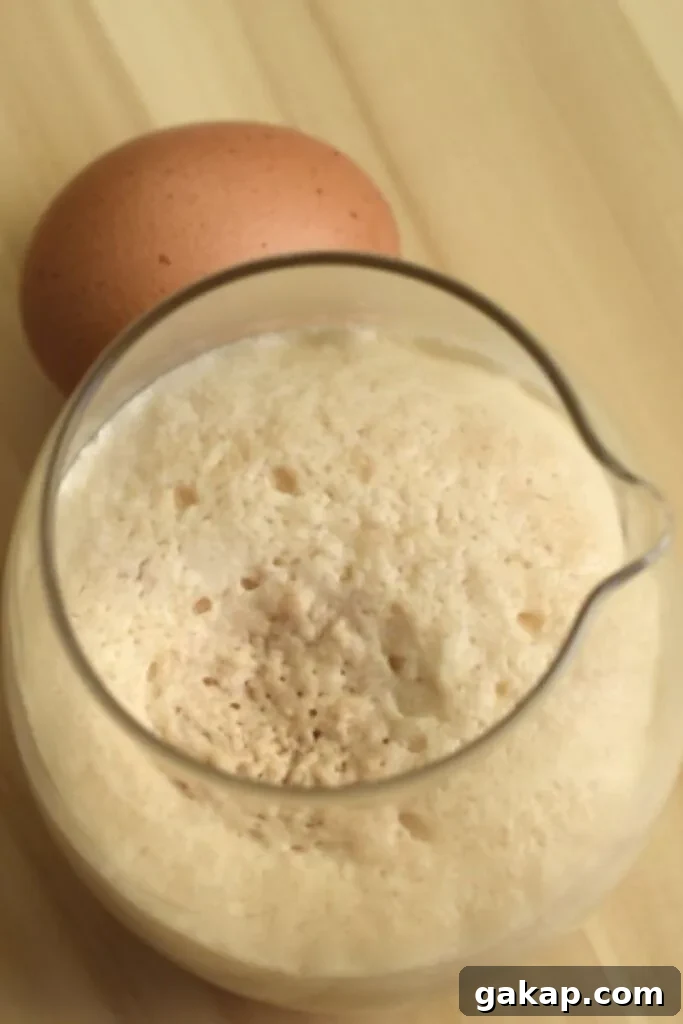
Proof the yeast: Dissolve the yeast in lukewarm water (around 100°F / 38°C) with a pinch of sugar. If it becomes frothy within 5–10 minutes, it’s active and ready to use.
If your yeast proofs well, the next common culprit is liquid temperature.
2. Incorrect liquid temperature
Yeast is temperature-sensitive. Water that is too hot can kill the yeast; water that is too cold slows activity and delays rising. Using the right temperature is essential.

Solution: Use lukewarm water, about 100°F (38°C). A kitchen thermometer is ideal; without one, the liquid should feel comfortably warm, not hot — similar to the temperature of baby food. Slightly cool liquid is safer than too hot, as cold only slows yeast rather than killing it.
The first two causes are the most frequent reasons dough won’t rise. I used to proof yeast every time, but with fresh yeast and careful temperature control I now often skip that step.
How to fix dough if you accidentally killed the yeast
If you suspect you killed the yeast with hot water, you can rejuvenate the dough by making a small fresh dough and incorporating it.
- Mix 1/4 cup (60 ml) lukewarm water with 1 tsp (3 g) yeast and a small pinch of salt.
- Add 45 g flour and knead into a small dough.
- Combine this new dough with the original dough and mix until homogeneous (adjust yeast amount if your original batch is larger).
- Let the combined dough rise in a warm place for 1–2 hours; it should double in about an hour.
3. Insufficient yeast
The quantity of yeast matters. Too little yeast produces insufficient carbon dioxide and a dense loaf. Typical usage is about 1 teaspoon of active dry yeast for roughly 3 cups of flour, but enriched doughs often need more.
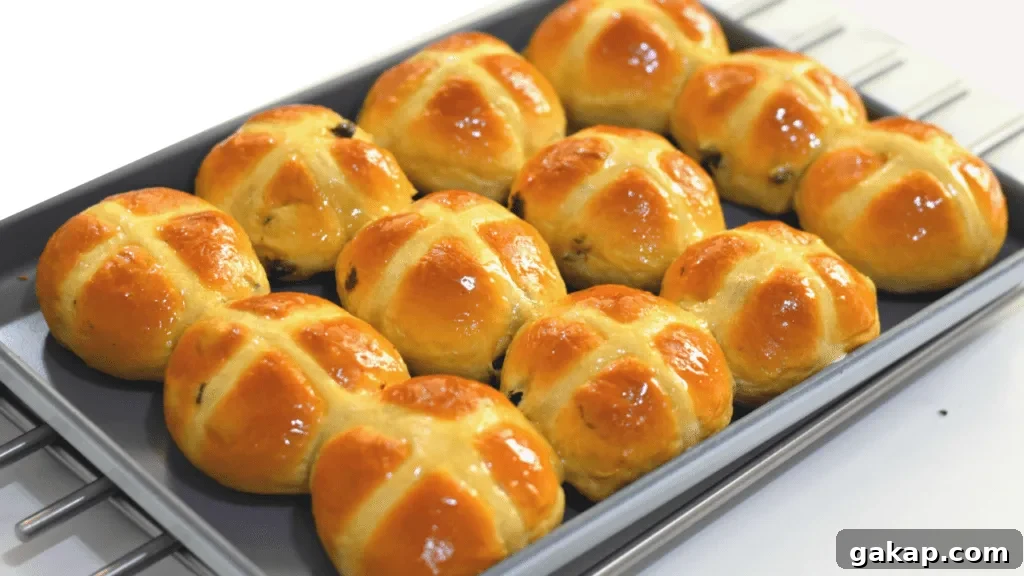
Solution: Follow the recipe’s yeast quantities. If you prefer longer fermentation and more flavor, you can reduce yeast and extend rising time, but that requires adjusting proofing time and technique.
Other non-yeast reasons dough may not rise fully include inadequate kneading, overly dense dough, insufficient proofing time, and the type of flour used.
4. Insufficient kneading
Kneading develops the gluten network that traps gas. Under-kneaded dough lacks strength and won’t hold the gas produced by yeast.
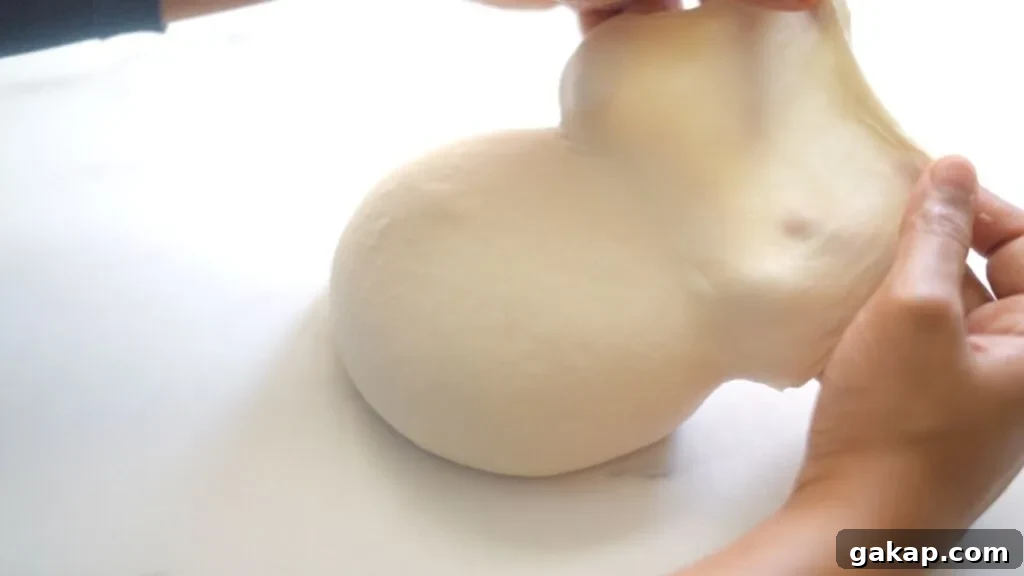
Solution: Knead by hand for 8–10 minutes, or 4–5 minutes in a stand mixer on low. Use the windowpane test: stretch a small piece of dough—if it forms a thin, translucent membrane without tearing, the gluten is well developed.
5. Overly dense dough
Too much flour or too little hydration creates a stiff, dense dough that resists expansion.
Solution: Aim for a slightly tacky but not wet dough. Add water gradually while mixing until the dough feels pliable rather than dry or rigid. Proper hydration helps the dough expand and produce an open crumb.
6. Insufficient proofing time
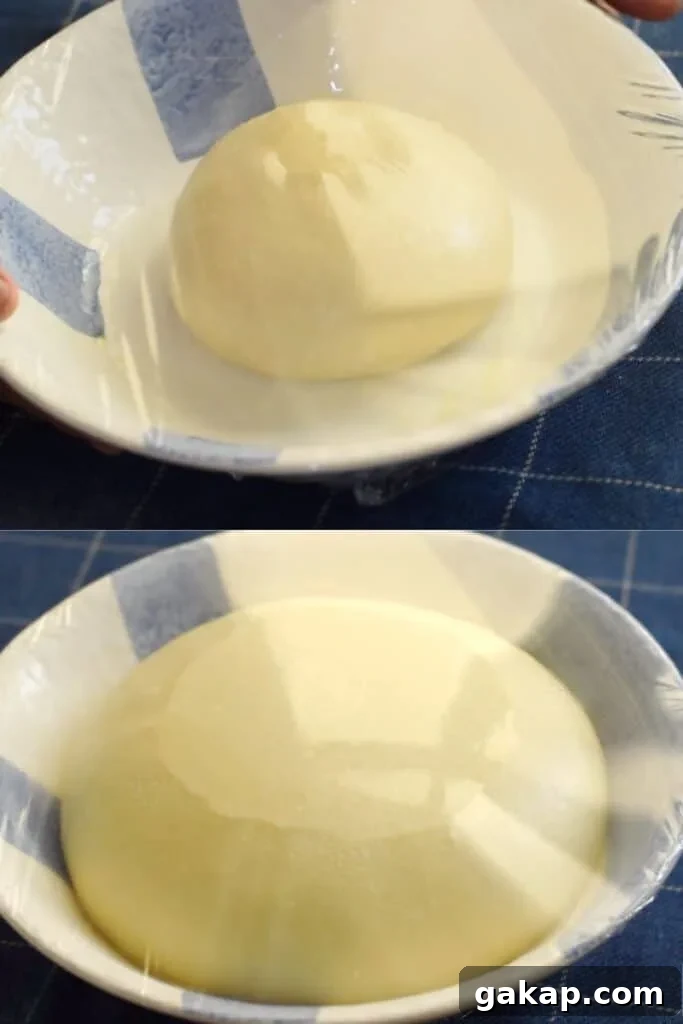
Dough needs adequate time to rise. Rushing proofing produces underproofed dough with poor volume and texture. Rising times depend on room temperature and recipe ingredients.
Yeast works slower in cool environments and faster in warm ones. Enriched doughs containing more sugar, butter, or eggs—like brioche or challah—often take longer to proof.

Solution: Be patient. Proof in a warm, draft-free spot until the dough doubles in size. Typical first proofing ranges from 1–2 hours or longer depending on conditions. Judge readiness by volume, not strictly by the clock.
7. Type of flour
Flour choice strongly influences rise and texture. Different flours vary in protein content and gluten-forming potential:
- High-protein flours: Bread or high-gluten flour builds a strong gluten network that traps gas and supports a good rise—ideal for artisan loaves.
- Low-protein flours: Cake or pastry flour has less gluten and is less suitable for yeast bread, often producing denser results.
- Whole wheat: Whole wheat contains bran and germ, which reduce gluten strength. Whole wheat dough may rise less and be denser, but it adds flavor and nutrition. Solution: blend whole wheat with bread or all-purpose flour for better structure.
- Gluten-free flours: These lack gluten proteins and require alternative binders (xanthan gum, psyllium) or special techniques to simulate gluten’s gas-trapping ability.
Additional tips for dough that won’t rise
- Create the right environment: Keep dough warm and free of drafts. A turned-off oven with a bowl of hot water or the oven light on can create a cozy proofing spot.
- Cover the dough: Use a damp cloth or plastic wrap to retain humidity. Dry skin on dough slows rising.
- Don’t rush: Slower fermentation often improves flavor and texture. Allow the dough time to develop.
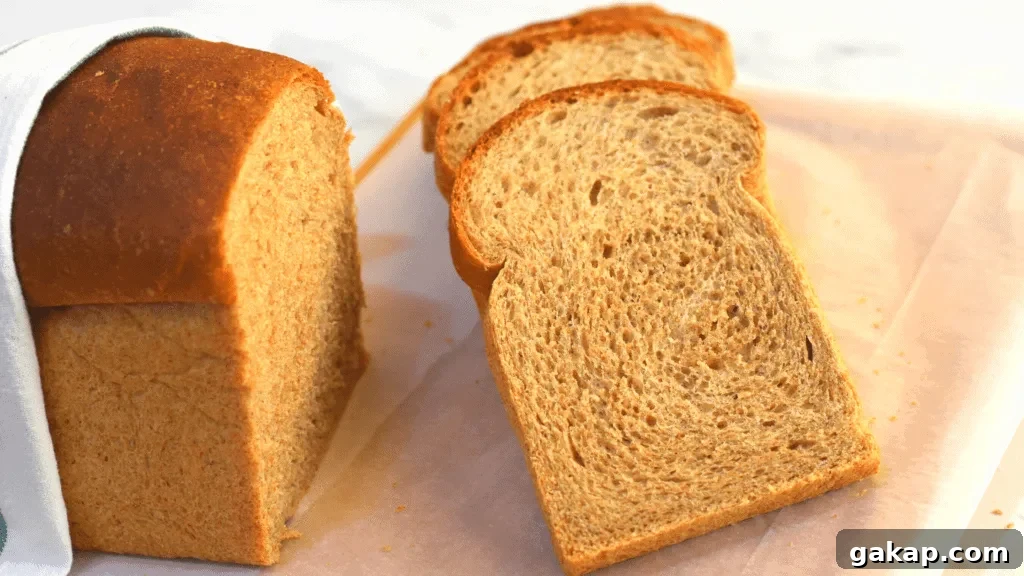
Troubleshooting dough that won’t rise is part science and part intuition. Addressing inactive yeast, incorrect liquid temperature, insufficient yeast, weak gluten development, poor hydration, inadequate proofing, or unsuitable flour will resolve most problems. With practice you’ll learn to read the dough and adjust technique to consistently produce fragrant, flavorful loaves you can be proud of.