
We use terms like “non-toxic” frequently at The Filtery. But what do they really mean? And how should you interpret related words such as “natural,” “eco-friendly,” or “clean” when you see them on product labels and marketing materials?
Surprisingly, many of these terms have no single, enforceable definition in many markets. That ambiguity allows brands to use them in ways that can confuse or mislead consumers.
This article explains how these words are commonly used, what to watch for on labels, and how to evaluate claims so you can make better choices when shopping.
Table of Contents
- What Does Non-Toxic Mean?
- Acute vs. Chronic Toxicity
- Depends on the Product
- “Non-Toxic” For Whom?
- Lack of Research & the Precautionary Principle
- More Terms Like “Non-Toxic”
- “Safe”
- “Clean”
- “Chemical-Free”
- “__________-Free”
- “Natural”
- “Plant-Based”
- “Organic”
- “Eco-Friendly,” “Sustainable,” or “Green”
- Third-Party Certifications Can Help
- So… Should We Stop Using These Words?
- How We Use These Terms at The Filtery
RELATED: 10 Myths & Misconceptions About Non-Toxic Living
What Does Non-Toxic Mean?
In many countries, including the United States, there are no strict standards that define “non-toxic” for most consumer products. Brands can label a product “non-toxic” without meeting a universal set of criteria, which makes the term ambiguous.
Regulatory pressure, lawsuits, and public scrutiny sometimes curb blatant misuse. Brands that claim “non-toxic” and are later found to contain concerning substances have faced legal action and reputational damage. Still, such cases are often resolved by settlement rather than clear legal definitions, so the broader problem of vague labeling remains.
Given that lack of a single definition, it helps to consider what “non-toxic” could reasonably imply by looking at a few important distinctions.
Acute vs. Chronic Toxicity
One key distinction is between acute and chronic toxicity.
- Acute toxicity refers to immediate or short-term adverse effects, such as allergic reactions, skin irritation, respiratory distress, or poisoning after a single exposure.
- Chronic toxicity refers to long-term health outcomes that develop after repeated or prolonged exposure—examples include cancer, reproductive harm, or endocrine disruption.
Historically, “toxic” was used mainly for substances that produced obvious, immediate harm. Today, many experts and advocates emphasize chronic effects, which are often harder to detect and require long-term study. When evaluating a “non-toxic” claim, consider whether the assessment addresses both acute and chronic risks.

Depends on the Product
“Non-toxic” can mean different things depending on the product category. The hazards relevant to cosmetics differ from those relevant to furniture, food packaging, or household cleaners.
For example:
- Non-toxic cosmetics often focus on avoiding talc, heavy metals, phthalates, and certain preservatives.
- Non-toxic furniture emphasizes the absence of flame retardants, formaldehyde, and PFAS used for stain resistance.
Brands can mislead consumers by highlighting the absence of a chemical that was never commonly used in that product type, while ignoring other relevant hazards. This selective messaging is a common form of greenwashing.
“Non-Toxic” For Whom?
Another crucial question is: non-toxic for whom? A product that is unlikely to harm a healthy adult may still pose serious risks to a developing fetus, infants, people with certain medical conditions, or individuals with a high cumulative chemical burden.
Vulnerable populations often require stricter standards. When evaluating claims, look for context about who was considered in the safety assessment.
Lack of Research & the Precautionary Principle
Some products are labeled “non-toxic” despite minimal testing. Many chemicals are evaluated only over short timeframes—sometimes a few months—before being cleared for use. That short testing window may miss long-term effects like cancer or hormonal disruption.
The precautionary principle argues for avoiding or limiting exposure to chemicals when there is credible reason for concern, even if definitive evidence is not yet available. History shows numerous examples—PFAS, DDT, PCBs, certain flame retardants—where early assurances of safety were later overturned by long-term research.

More Terms Like “Non-Toxic”
Below are common related terms, and how to interpret them in practice:
“Safe”
“Safe” suffers from the same ambiguity as “non-toxic.” Ask whether safety refers to acute or chronic effects, how much testing has been done, and who was considered in the assessment.
“Clean”
Often used in “clean beauty,” this term typically implies avoidance of certain ingredients—animal testing, phthalates, parabens, talc, and formaldehyde releasers, for example. But there is no universal definition for “clean,” so transparency about ingredients and third-party verification is important.
“Chemical-Free”
Technically everything is made of chemicals, so “chemical-free” is inaccurate. Most people mean “free of synthetic chemicals” or “non-toxic.” Clarify what a brand intends when you see this phrase.
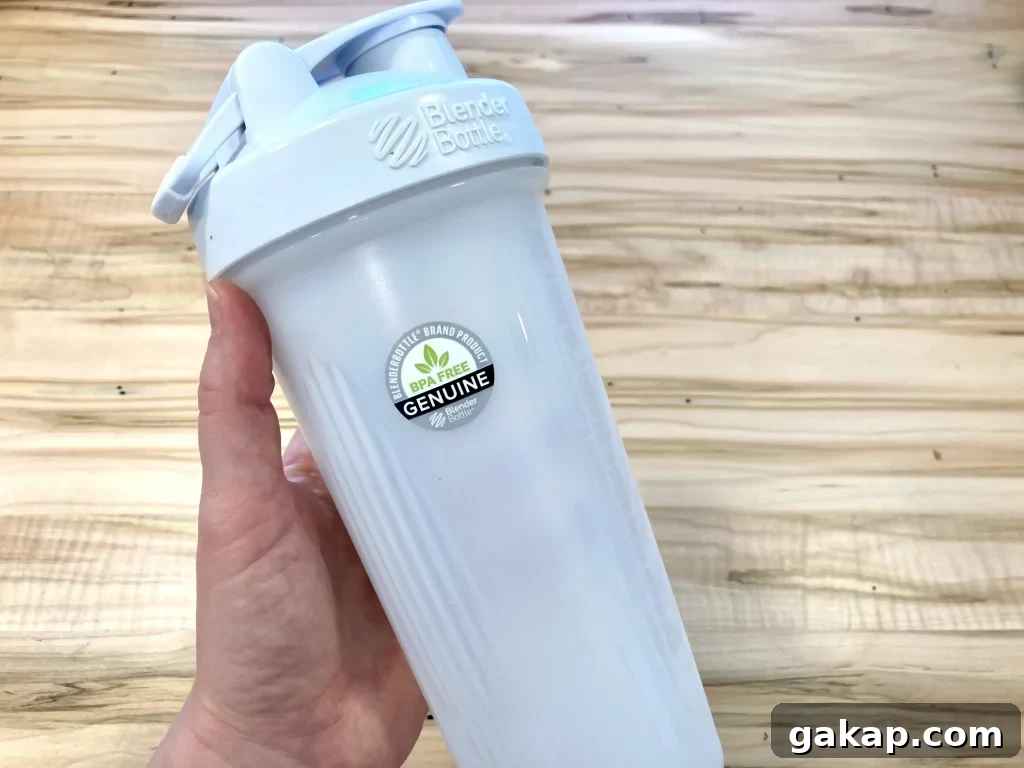
“__________-Free”
Claims like “phthalate-free” or “BPA-free” can be helpful but incomplete. They address a single chemical or class, not the full ingredient profile. A product labeled “BPA-free” may contain other bisphenols (BPS, BPF) that pose similar concerns. Use these claims as one data point, not proof of overall safety.
“Natural”
“Natural” has no consistent regulatory meaning and does not guarantee safety. Natural substances can be toxic (e.g., lead), and natural sourcing does not automatically make a product benign. Phrases such as “made with natural ingredients” may cover only a small portion of the formula, so check ingredient lists rather than relying on marketing language.
“Plant-Based”
Generally indicates ingredients derived from plants rather than petroleum. Caveats include:
- The entire product may not be plant-based—only specific components might be.
- Some plant-derived materials undergo heavy processing and become semi-synthetic.
- Sourcing matters: plant-based does not guarantee sustainable harvesting or ethical production.
“Organic”
“Organic” has the strongest standardized meaning among these terms. It usually indicates production without synthetic pesticides and follows defined agricultural and processing standards. Third-party certifications such as USDA Organic or GOTS provide stronger assurance that a product meets established organic criteria.
“Eco-Friendly,” “Sustainable,” or “Green”
These terms also lack fixed definitions and can be used loosely. They generally refer to reduced environmental impact, but brands must substantiate claims. Some products can be marketed as eco-friendly yet still contain substances harmful to human health—for example, recycled plastics marketed for sustainability can contain endocrine-disrupting contaminants.
Common related claims include:
- Compostable / Biodegradable
- Recycled / Recyclable
- Carbon Offset / Low Carbon / NetZero
As with other labels, demand clear evidence of what these claims mean for a specific product.
Third-Party Certifications Can Help
Third-party verification can reduce ambiguity. Certifications set standards, require documentation, and provide accountability—making it easier for consumers to evaluate claims. No certification is perfect, but recognized programs often provide a higher level of assurance than unaudited marketing claims.
Look for reputable certifiers and clear documentation about what the certification covers when assessing “non-toxic,” “organic,” or sustainability claims.

So… Should We Stop Using These Words?
Given their ambiguity, some experts advise brands to avoid vague language and instead provide concrete, verifiable claims. That helps build trust and reduces greenwashing risk. However, these terms can still be useful as shorthand if they are supported by transparency and evidence.
Brands should clearly explain what they mean by terms like “non-toxic” and back claims with ingredient disclosures, independent lab tests, certifications, and supply-chain transparency. As consumers, use those terms as starting points—then dig into the specifics to verify whether a product meets your standards.
How We Use These Terms at The Filtery
We use search-friendly terms like “non-toxic” in headlines because that’s how people look for information. In our content we define what we mean for each product category, call out specific ingredients or materials to avoid, and recommend safer alternatives.
When a fully non-toxic option isn’t available, we explain trade-offs and offer low-tox recommendations while being transparent about limitations. Our goal is to give practical, evidence-informed guidance so you can make the best choice for your needs.
Do you have more questions about these terms? Let us know. If you’d like tips, headlines, and resources delivered weekly, consider signing up for the newsletter.