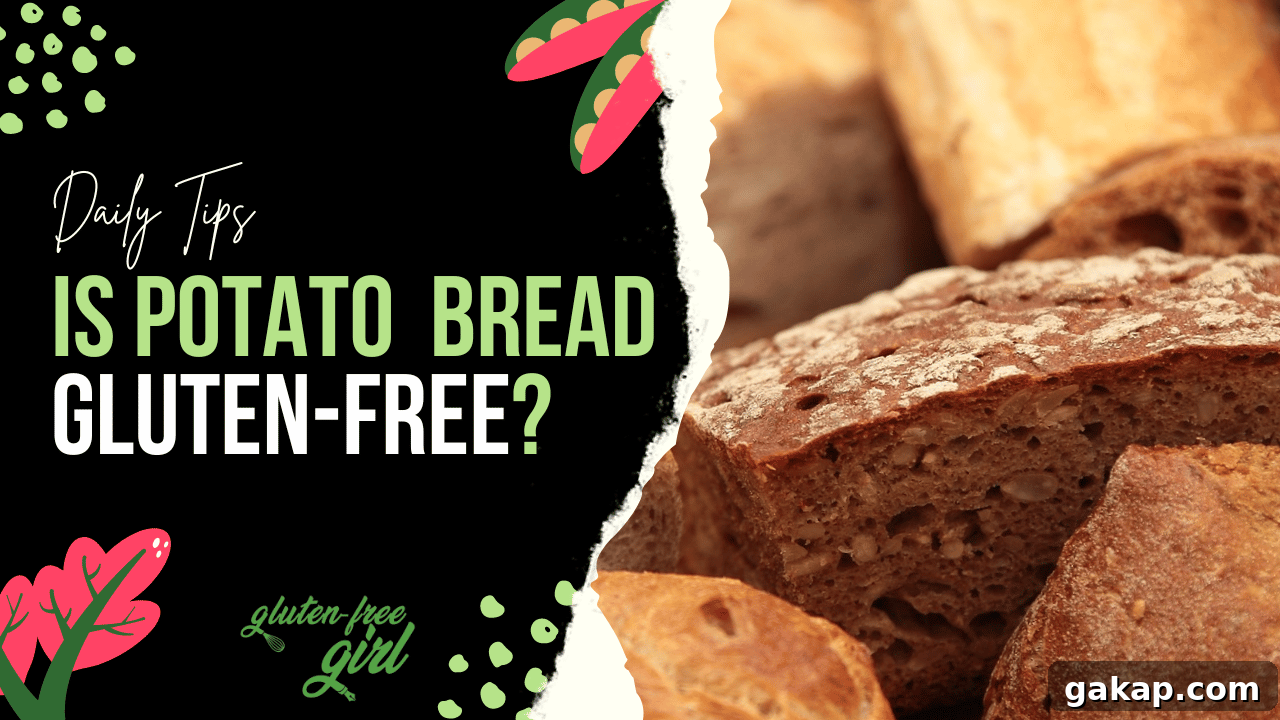
No, potato bread is not gluten-free. Potato bread is prized for its crisp crust and soft, fluffy interior, but it is not automatically safe for people with celiac disease or gluten sensitivity. While potatoes themselves are naturally gluten-free, most conventional potato bread recipes include wheat flour or other gluten-containing grains, so the final product contains gluten. For those who must avoid gluten, the solution is to choose or bake potato bread made with certified gluten-free substitutes for wheat flour and to take precautions to prevent cross-contamination.
Gluten is a protein found in wheat, barley, and rye. In people with celiac disease, ingestion of gluten triggers an autoimmune response that damages the lining of the small intestine and interferes with nutrient absorption. Symptoms can include abdominal pain, diarrhea, fatigue, and weight loss, although some people have minimal or atypical symptoms. Celiac disease is distinct from non-celiac gluten sensitivity and wheat allergy: it is an autoimmune disorder that requires strict, lifelong avoidance of gluten to prevent long-term complications.
Non-celiac gluten sensitivity can also cause uncomfortable gastrointestinal symptoms such as bloating, gas, diarrhea, and abdominal pain without the intestinal damage seen in celiac disease. For anyone with celiac disease or significant gluten sensitivity, checking ingredient labels and ensuring food is prepared in a gluten-safe environment is essential.
A gluten-free diet excludes foods made from wheat, barley, rye, and most products derived from them. Potato bread can fit into vegetarian diets such as lacto-ovo vegetarianism, which allows dairy and eggs, but that doesn’t make it gluten-free unless the recipe and production methods intentionally avoid gluten-containing ingredients.
Renowned celiac researcher Dr. Alessio Fasano describes celiac disease as “a unique autoimmune disorder in which the environmental precipitant, gluten, is known.” His work has clarified how ingesting gluten triggers an immune-mediated process that damages the intestinal lining in genetically susceptible individuals, reinforcing the need for rigorous gluten avoidance in diagnosed patients.
Can a patient with celiac disease eat potato bread?
Generally, no. Although potatoes are gluten-free, typical potato bread recipes use wheat flour or blends that include gluten, making the bread unsuitable for people with celiac disease. Potato bread can therefore be a hidden source of gluten, so individuals who need to avoid gluten must confirm that any potato bread they consume is explicitly labeled gluten-free and produced in a way that prevents cross-contamination.
Eating gluten triggers immune-mediated damage to the small intestine in celiac patients and causes distressing symptoms in those with gluten sensitivity. Historical descriptions of the condition date back centuries; the ancient Greek physician Aretaeus of Cappadocia used the term “koiliakos” (from Greek koilia, abdomen) to describe people with severe digestive problems and poor nutrient absorption—an early clinical observation consistent with what we now call celiac disease.
How to keep potato bread gluten-free
To make or choose gluten-free potato bread, follow these guidelines:
- Choose gluten-free ingredients: Use certified gluten-free flour blends (rice flour, sorghum, tapioca, etc.) instead of wheat flour. Use potato flour, potato starch, or mashed potatoes that are certified gluten-free. Verify that yeast, baking powder, and other additives are gluten-free.
- Avoid cross-contamination: Use dedicated utensils, bowls, and baking equipment. Clean work surfaces thoroughly and store gluten-free ingredients separately from gluten-containing products.
- Use a proven gluten-free recipe: Follow recipes specifically formulated for gluten-free potato bread to achieve proper texture and rise. Experiment with different gluten-free blends to find the best result.
- Check additives: Inspect labels of preservatives, flavorings, and seeds or nuts to ensure they were processed in gluten-free facilities when necessary.
- Bake properly: Preheat the oven and use an internal thermometer if needed—gluten-free breads often require precise baking conditions and an internal temperature near 205°F (96°C) when done.
- Store safely: Keep baked goods in airtight, clearly labeled containers and separate from gluten-containing items.
- Educate household members: Make sure family or roommates understand the importance of preventing cross-contact.
- Monitor symptoms: If you have celiac disease or pronounced sensitivity, watch for any signs of reactions after trying new products.
Cross-contamination can occur in many ways: using a knife that recently sliced wheat bread, sharing a toaster or cutting board, or serving spreads that contain gluten crumbs. Even tiny amounts of gluten can cause symptoms or intestinal damage in sensitive individuals, so strict food handling practices are crucial.
Is a potato bun gluten-free?
No, a potato bun is typically not gluten-free unless specifically labeled and produced as such. Store-bought potato breads and buns often contain wheat flour alongside potato ingredients. Substituting a portion of wheat flour with potato flour, flakes, or mashed potatoes does not remove gluten from the recipe. To be safe, look for certified gluten-free labels or make potato buns with gluten-free flour blends at home.
Is the flour in potato bread gluten-free?
Potato flour itself is gluten-free. It is made by drying and finely grinding whole potatoes and is commonly used in gluten-free baking to add moisture and structure. However, when potato flour is used alongside wheat flour in a recipe, the finished product will contain gluten. Always check product labels and ingredient lists to confirm whether a flour blend or packaged product is certified gluten-free.
Are both potato bread and mashed potatoes gluten-free?
Mashed potatoes are inherently gluten-free when made from potatoes, butter, and milk, provided no gluten-containing thickeners or gravies are added. Commercial or restaurant mashed potatoes can sometimes contain wheat-based thickeners, so confirm ingredients when dining out. By contrast, most potato bread contains wheat flour or other gluten-containing ingredients unless made specifically with gluten-free substitutes.
Rice flour and other gluten-free blends are commonly used to create gluten-free versions of potato bread, helping retain moisture and a pleasant crumb. Substituting a reliable all-purpose gluten-free flour blend into standard recipes is often the simplest route to a gluten-free potato bread at home.
Preventing gluten cross-contamination when preparing potato bread
To minimize cross-contamination risk, store gluten-free and gluten-containing foods separately, clean surfaces and utensils thoroughly, and consider separate appliances (for example, a dedicated gluten-free toaster). When eating out, check menus, contact restaurants in advance, and request gluten-free preparation methods. Bringing your own gluten-free dish to social events can provide an added layer of safety.
Knives, cutting boards, countertops, and even crumbs in shared condiments can transfer gluten residues. Proper cleaning between uses and clear labeling are essential to keep gluten-free foods safe for people with celiac disease or severe sensitivities.
How to tell if potato bread products are gluten-free
Read labels carefully: products that are safe for people avoiding gluten will be explicitly labeled “gluten-free” and often carry certification marks. Ingredients lists can reveal if wheat, barley, rye, or malted barley are present. When in doubt, choose brands that clearly state gluten-free status or bake your own using certified gluten-free ingredients.
Common potato bread brands that are not gluten-free
Many mainstream potato bread brands are not gluten-free unless indicated on the packaging. Examples of popular commercial potato breads that typically contain gluten include Pepperidge Farm Farmhouse Potato Bread, Sara Lee Artesano Potato Bread, and other widely distributed potato-containing loaves. Ingredients such as enriched wheat flour, malted barley flour, or wheat gluten commonly appear in their formulations. Always check the specific product label for current ingredient and allergen information.
Is Martin’s Potato Bread gluten-free?
No. Martin’s Potato Bread contains wheat and other ingredients that are not gluten-free. The brand’s traditional potato breads and rolls are made with wheat flour and therefore unsuitable for those who must avoid gluten. The company has not historically offered gluten-free versions of their classic breads.
Is Pepperidge Farm potato bread gluten-free?
No. Pepperidge Farm Potato Bread typically contains enriched wheat flour and other ingredients derived from gluten-containing grains. Unless a product is explicitly labeled gluten-free, assume that commercial potato breads from major brands contain gluten.
In summary, while potatoes and potato flour are gluten-free ingredients, most potato breads and buns sold commercially contain wheat flour or other gluten-containing ingredients. For people with celiac disease or gluten sensitivity, look for certified gluten-free labels, follow strict cross-contamination precautions, or prepare homemade potato bread with verified gluten-free ingredients.