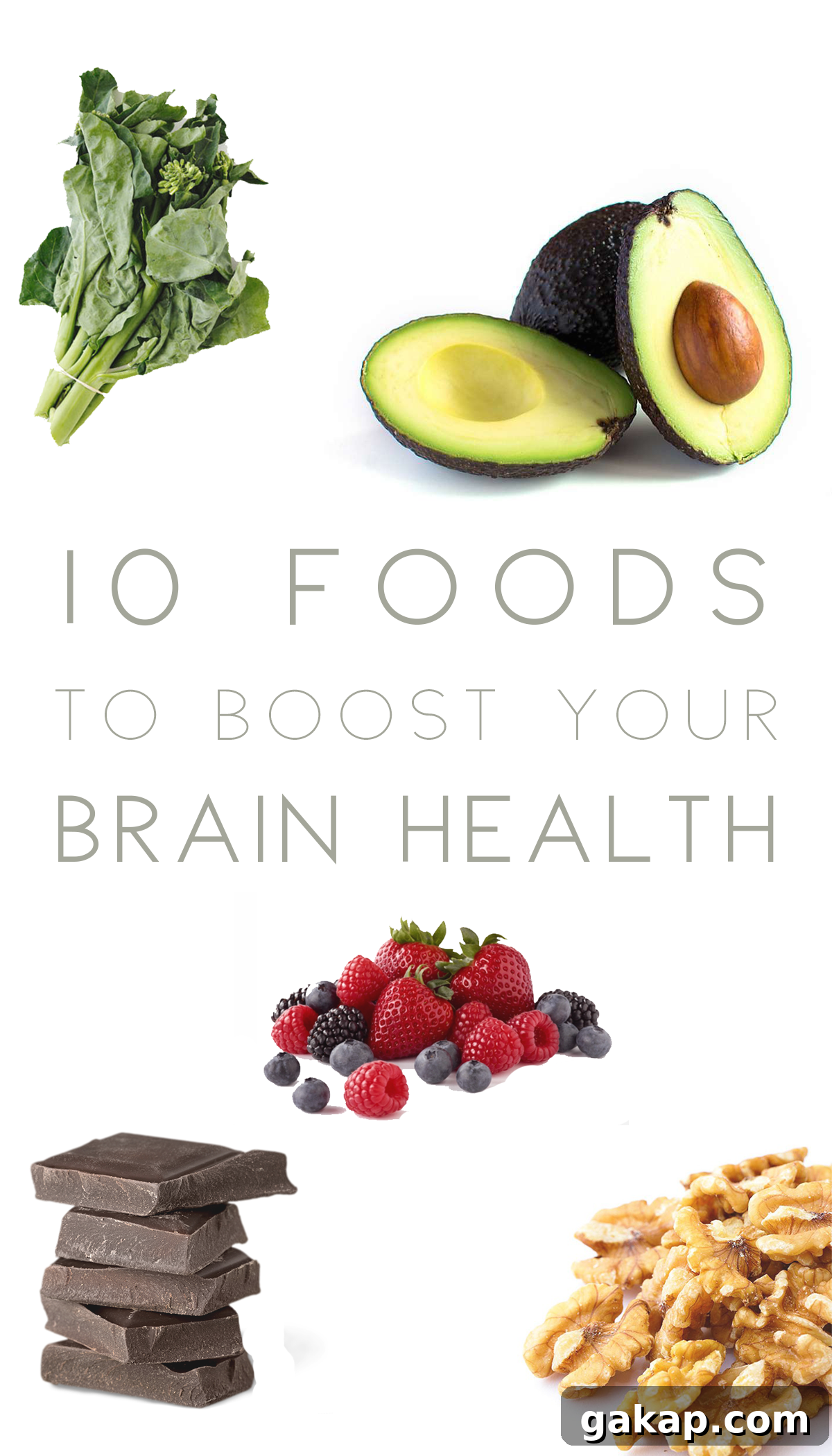
Who knew the foods we eat directly influence our gut, mood and—perhaps most importantly—our brain health? A growing body of research shows diet plays a major role in reducing inflammation and supporting cognitive function. Below are 10 brain-supporting foods I recommend incorporating into your routine. These choices are rich in antioxidants, vitamins, healthy fats, minerals and other key nutrients. They’re presented in no particular order.
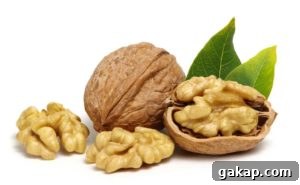
1. Walnuts
Walnuts provide a mix of monounsaturated and polyunsaturated fats, including omega-3 fatty acids that are vital to the development and function of the central nervous system. Because the body can’t make essential omega-3s, we must obtain them through food. Walnuts also offer iron, selenium, zinc, vitamin E (linked to reduced Alzheimer’s risk) and B vitamins. Regular consumption is associated with healthier blood pressure and cholesterol levels. A small handful makes an excellent, nutrient-dense snack.

2. Bone Broth
Bone broth is a nutrient-dense food that delivers 7–10 g of protein per cup plus gelatin, amino acids like glycine and glutathione, and minerals such as calcium, phosphorus, magnesium and potassium. Gelatin supports skin, hair and nail health; glycine supports liver function; and glutathione is a potent antioxidant. Bone broth has a long history as a restorative food and can help support immune and gut health, making it a versatile addition to many diets.

3. Extra Virgin Olive Oil
Extra virgin olive oil (EVOO) is rich in monounsaturated fats and compounds such as oleic acid, which help lower markers of inflammation. EVOO supports memory and learning and is a cornerstone of the Mediterranean diet, which has been associated with better cognitive function and lower risk of cardiovascular disease and stroke. Using high-quality EVOO daily—drizzled on salads, vegetables or cooked dishes—is an easy way to boost heart and brain health.

4. Dark Chocolate (Cacao)
Choose high-quality dark chocolate with a high cacao percentage (72% or more) to gain the most benefit. Cocoa flavanols have antioxidant and anti-inflammatory properties and can improve blood flow to the heart and brain. Good dark chocolate is also a source of iron, copper, zinc, magnesium and phosphorus. Avoid heavily processed bars with large amounts of added refined sugar; natural sweeteners like coconut sugar, honey or maple syrup are preferable.

5. Egg Yolks
Eggs are nutrient-dense, and the yolks are particularly notable for their choline content. Choline supports cell structure, liver function and cognitive health, and is essential for fetal brain development. Many people don’t get enough choline in their diets. Yolks also contain lutein, which crosses the blood–brain barrier and may help preserve cognitive function with age. Two large yolks provide roughly half of the recommended daily choline intake. When possible, choose organic, pasture-raised eggs.

6. Salmon
Fatty fish such as wild-caught salmon are rich in DHA (docosahexaenoic acid), an omega-3 fatty acid that makes up a large portion of the brain’s fat content. Adequate DHA intake over time is linked to improved memory, learning and reduced cognitive decline. Aim for wild-caught or Alaskan salmon when possible, as it tends to be higher in nutrients and lower in contaminants than many farmed varieties. Other beneficial fatty fish include mackerel, sardines and trout.
7. Avocado
Avocados are an excellent source of monounsaturated fat, fiber, folate and vitamin K—nutrients that support blood flow, reduce inflammation and contribute to cognitive health. They also provide potassium, which helps regulate blood pressure, and glutathione, a powerful antioxidant. Avocados are easy to add to meals and can help increase absorption of fat-soluble vitamins from other foods.
8. Turmeric
Curcumin, the active compound in turmeric, offers strong anti-inflammatory and antioxidant effects. Curcumin supports immune function and may help improve brain oxygenation and cognitive performance. Combining turmeric with a pinch of black pepper (piperine) significantly enhances curcumin’s bioavailability. Turmeric can be used in cooking, blended into smoothies, added to broths and soups, or taken as a supplement when appropriate.
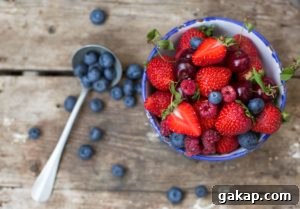
9. Berries
Berries are low on the glycemic scale, rich in fiber and packed with antioxidants such as anthocyanins, ellagic acid and resveratrol. These compounds help neutralize free radicals, support blood flow to the brain and have been associated with improved memory, concentration and mood. Berries are simple to add to breakfasts, smoothies and snacks—blueberries are a popular everyday choice for many people.

10. Leafy Green Vegetables
Leafy greens—such as spinach, kale, Swiss chard and collards—are nutrient-dense and easy to include daily. They provide folate, lutein, beta-carotene and vitamin E, nutrients linked with better cognitive performance and slower age-related decline. Research shows that regular consumption of leafy greens is associated with a slower rate of decline in memory and thinking skills. If you’re not fond of greens, try adding them to smoothies, soups or sauces to increase intake effortlessly.
These ten foods are practical, versatile ways to support brain health through diet. Focusing on whole, minimally processed options and combining them with a balanced lifestyle—regular physical activity, adequate sleep and stress management—will offer the best long-term benefits for cognition and overall wellbeing.