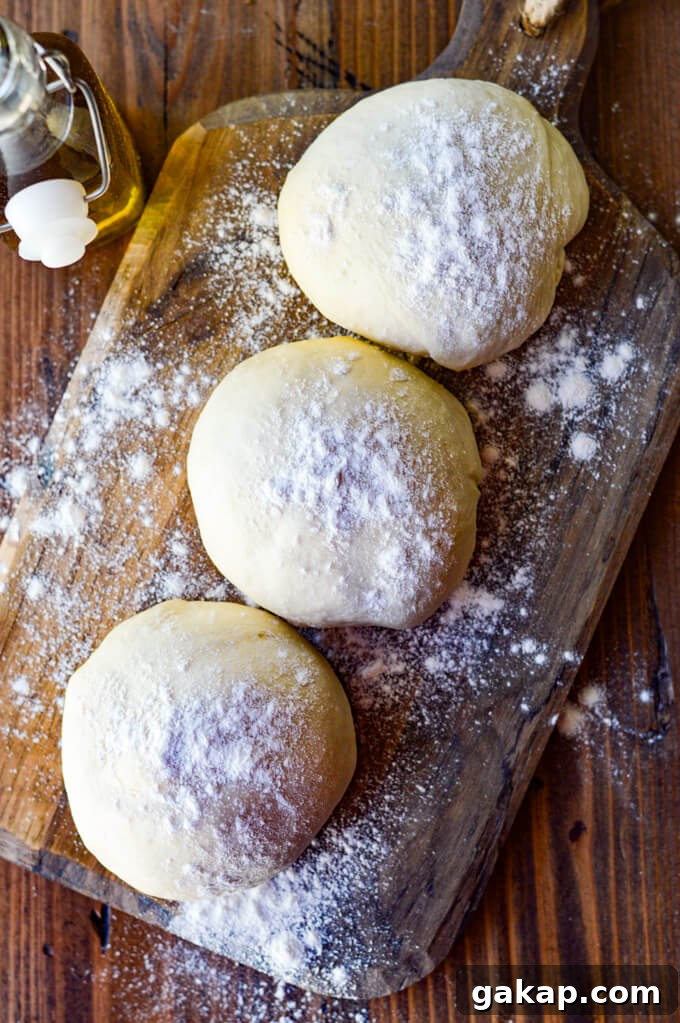
This homemade pizza dough, mixed and kneaded by hand, yields a crust that’s crispy on the outside and satisfyingly chewy on the inside. It provides a reliable base for sauces, meats, vegetables, and cheeses. The crust often makes or breaks a pizza, and this guide gives clear, practical tips to help you bake a near-perfect crust every time.
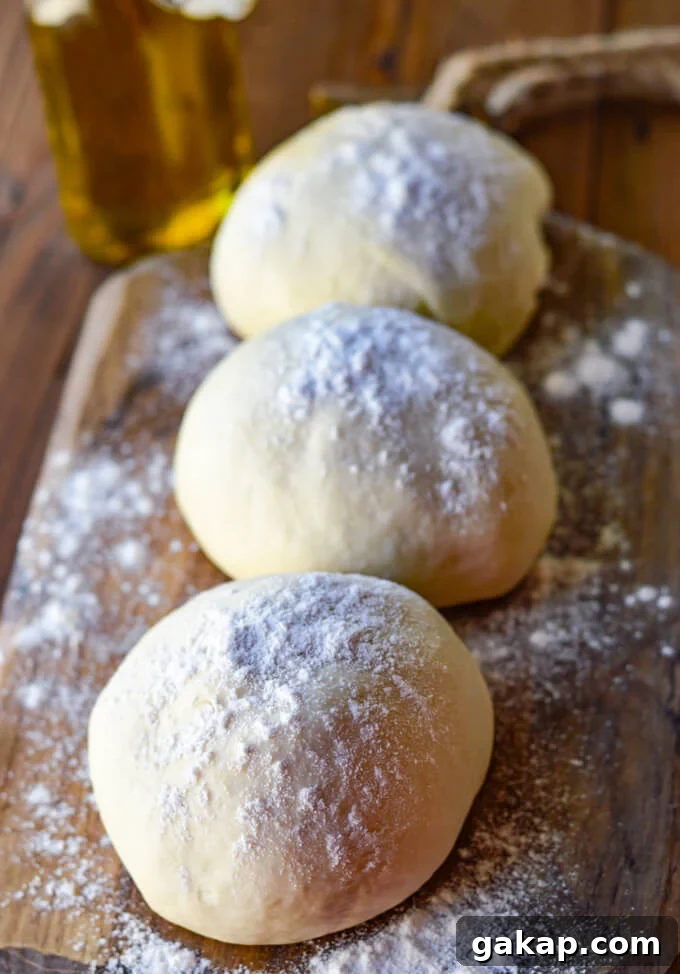
Making pizza dough at home doesn’t need to be intimidating. Many people avoid it because it sounds time-consuming or technical, but it’s actually straightforward and well worth the small amount of effort. Homemade dough outperforms boxed mixes and is far more economical than carry-out. With a little practice you’ll gain confidence and enjoy the process.
If you enjoy bread baking, try the Dinner Roll Recipe for light, fluffy rolls that are easy to make.
What I love about this Homemade Pizza Dough Recipe:
Crispy outside, chewy inside. A few simple techniques—properly activating the yeast, using the right flour, and baking at a high temperature—combine to produce a crust with a pleasant crunch and tender chew.
Only a handful of inexpensive ingredients. This dough requires bread flour, active dry yeast, a little sugar, salt, and olive oil. That’s it. Compared to pre-made crusts or delivery, the cost is minimal and the result is far superior.
Fun for the whole family. Kneading and shaping dough is a hands-on activity that kids can enjoy. Give each person their own ball of dough and let them create a personal pizza—it’s a great way to introduce children to cooking.
Step by Step Instructions
Step #1 – Activate the Yeast
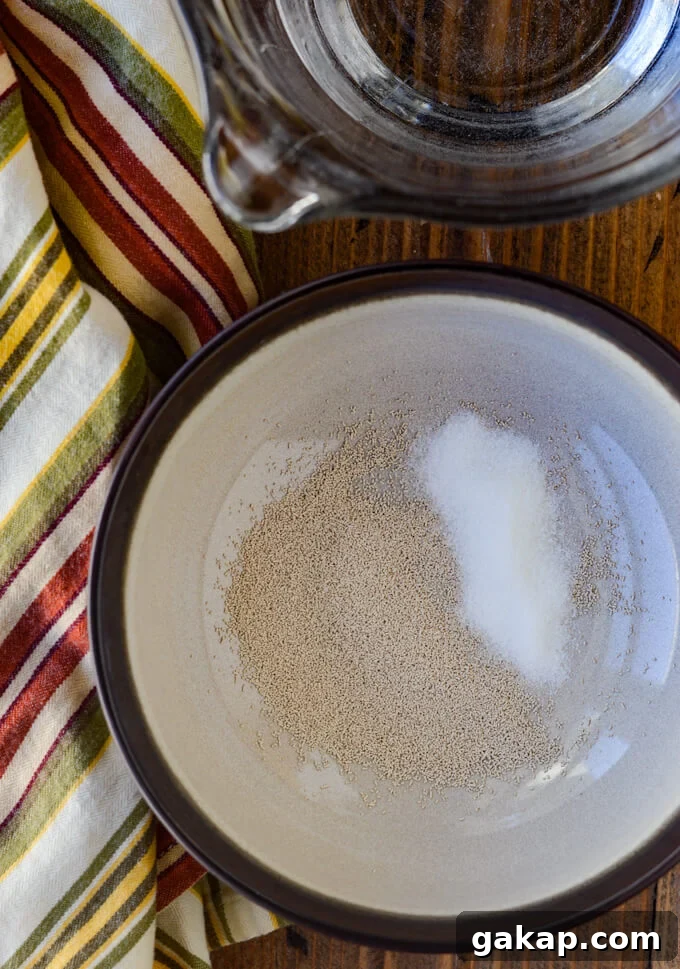
Yeast is what gives pizza dough its rise and airy texture. In a small bowl, combine one package of active dry yeast with 1 teaspoon of sugar. Add 1 ¼ cups of lukewarm water and stir until dissolved. Place the bowl in a warm spot—an unheated microwave or an oven warmed briefly then turned off works well—and let it sit for about 10 minutes.
Temperature matters. The water should feel comfortably lukewarm, about 105°–110°F. An instant-read thermometer helps at first, but you’ll soon learn to judge by feel.
Sugar feeds the yeast. One teaspoon is enough; honey or maple syrup works as an alternative. Make sure your yeast is fresh—if it doesn’t become foamy within 10 minutes, discard it and start over.
Step #2 – Mix the Ingredients
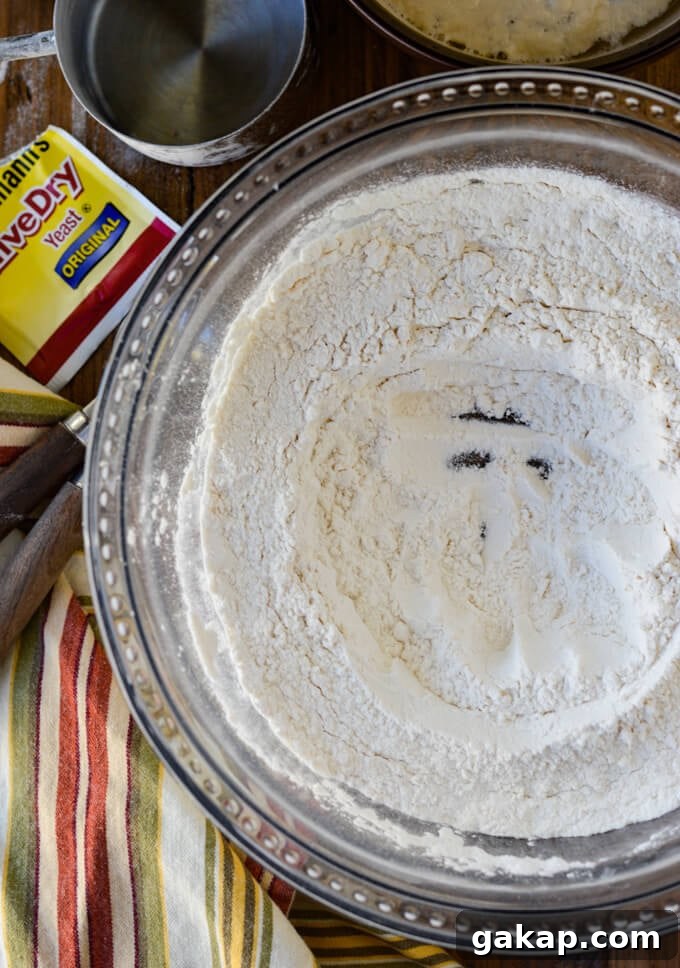
Whisk the bread flour and salt together in a large bowl and make a well in the center. Pour the activated yeast mixture and 2 tablespoons of olive oil into the well. Use a wooden spoon to incorporate the ingredients until they form a rough dough. It may still be sticky; you’ll add more flour as you knead.
- Best flour for pizza dough: Bread flour is preferred because its higher protein content forms more gluten, giving the dough the elasticity and chew that make a great crust.
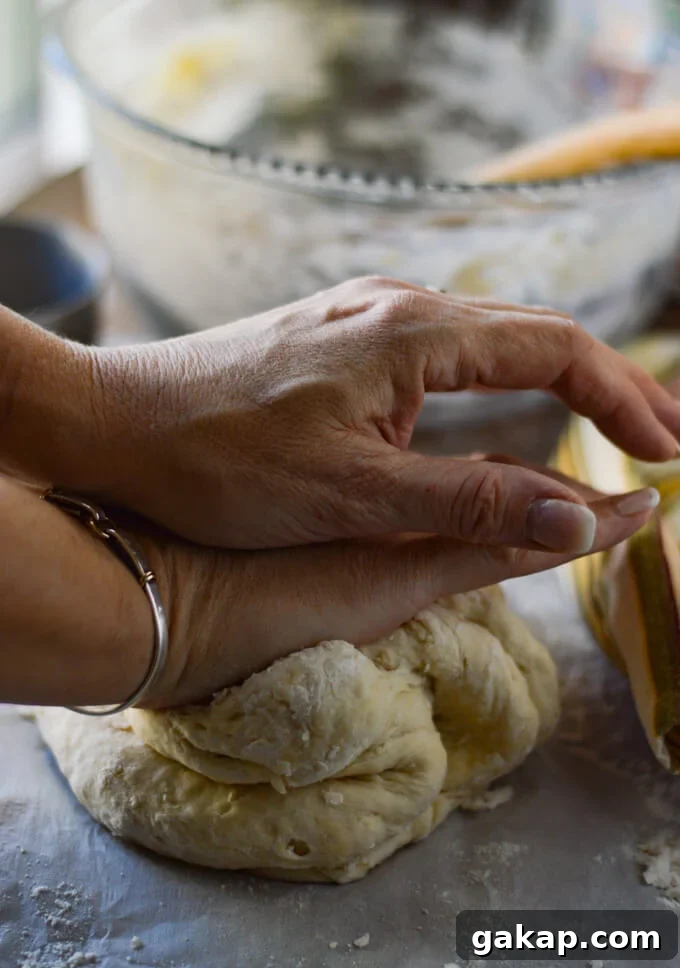
Step #3 – Knead the Dough by Hand
You can use a stand mixer, but kneading by hand gives you a feel for the dough and is satisfying. Lightly flour a work surface, turn the dough out, and add a bit more flour if it’s sticky. Using the heels of your hands, push the dough away, rotate it 90 degrees, fold it toward you, and repeat. Knead for 3–5 minutes until the dough feels smooth and slightly elastic.
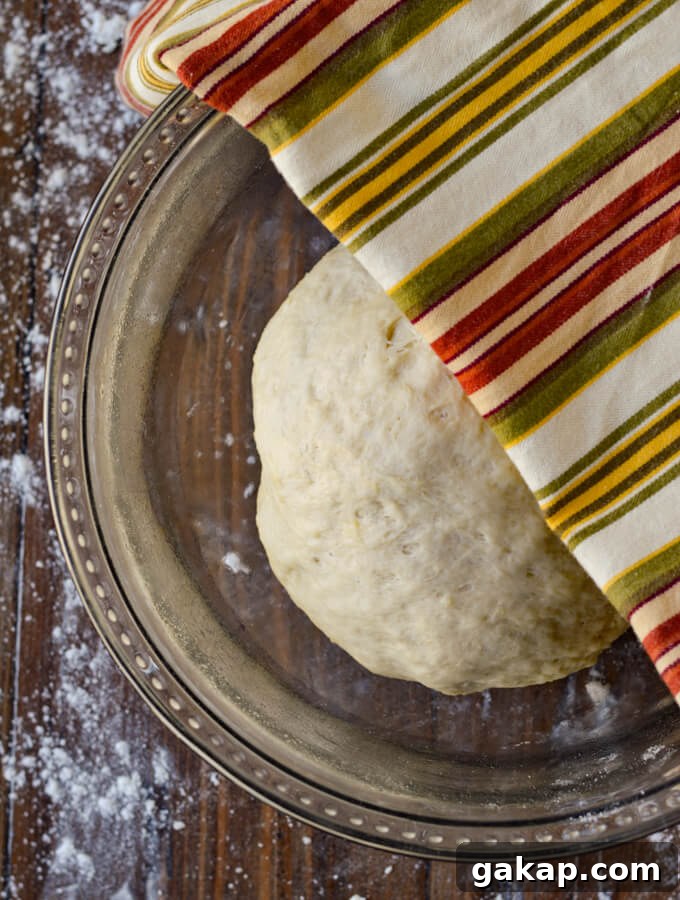
Step #4 – Let the Dough Rise
Lightly coat a large bowl with olive oil and roll the dough ball in the oil to evenly coat. Cover the bowl with a kitchen towel and place it in a warm area to rise for about 1 to 1 ½ hours, until doubled in size. A microwave or an oven warmed to 170°F then turned off works well as a warm spot.
If you don’t plan to use the dough immediately, wrap the dough and refrigerate for up to 3 days. Bring it to room temperature for about an hour before using. For longer storage, freeze tightly wrapped balls in zip-top bags for up to three weeks; thaw in the refrigerator a day before use and let return to room temperature before shaping.
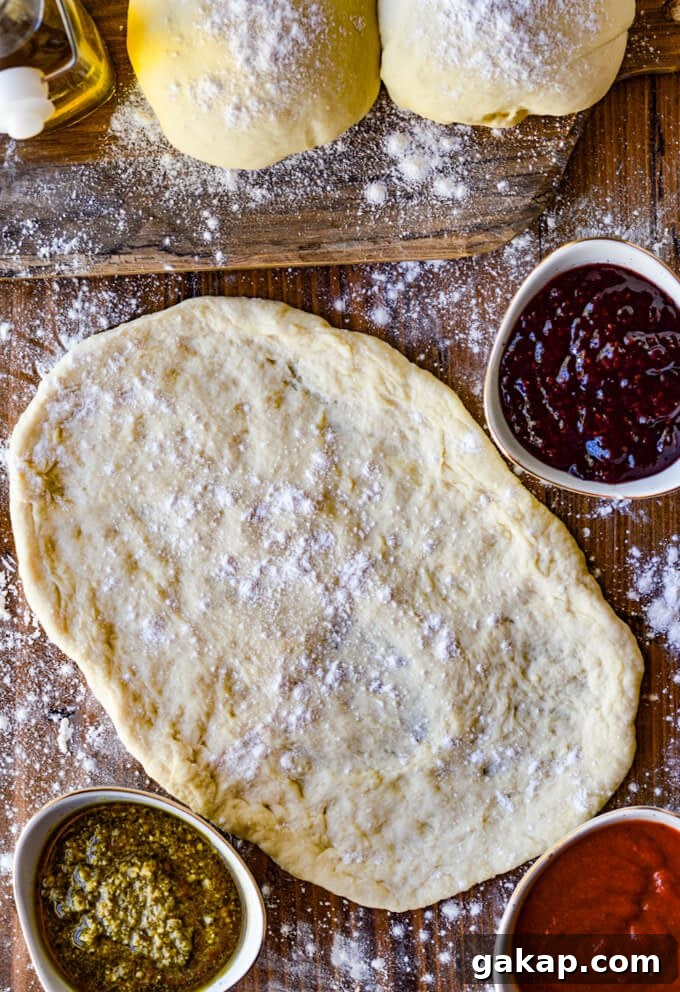
Step #5 – Shape or Roll Out the Dough
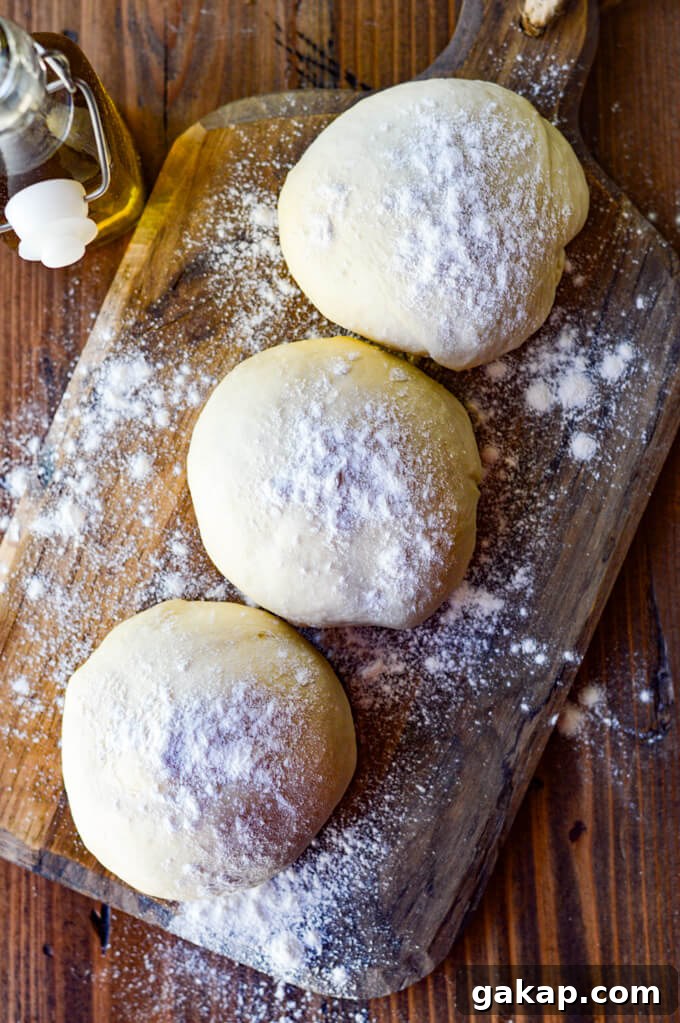
Divide the risen dough into the number of pizzas you want (this recipe makes three medium crusts). Flour your work surface and roll each ball from the center outward until you reach your desired thickness. You can also stretch the dough by hand or, if you’re feeling daring, toss it in the air like the pros. The slightly imperfect, hand-rolled shape gives homemade pizzas their rustic charm.
Step #6 – Bake with Toppings
Preheat your oven as high as it will go—550°F is ideal if your oven reaches it. A pizza stone is recommended because it stores and distributes heat evenly; place the stone in the oven during preheat. When ready, sprinkle the stone with cornmeal or transfer the rolled dough on parchment paper, add sauce and toppings, and slide it onto the hot stone.
Bake until the crust is golden and the cheese bubbles—typically 10–15 minutes at very high heat, depending on oven performance and pizza thickness.
Three Pizzas to Make from this Dough
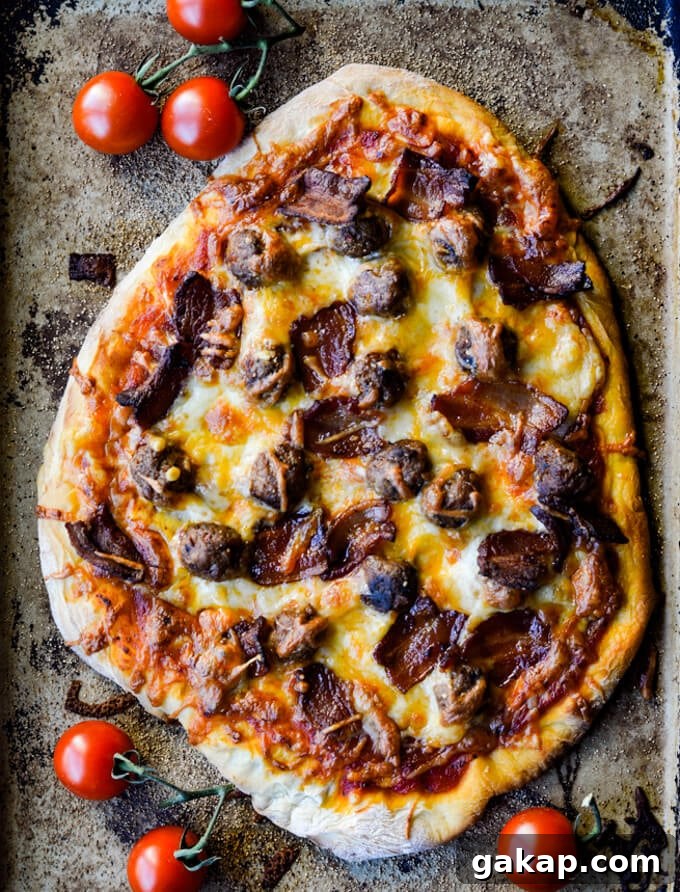
Meat Lovers
This dough yields three medium pizzas. A meat-lovers pie loaded with sausage, bacon, pepperoni, and plenty of cheese is always a crowd-pleaser and showcases how well this dough holds up under hearty toppings.
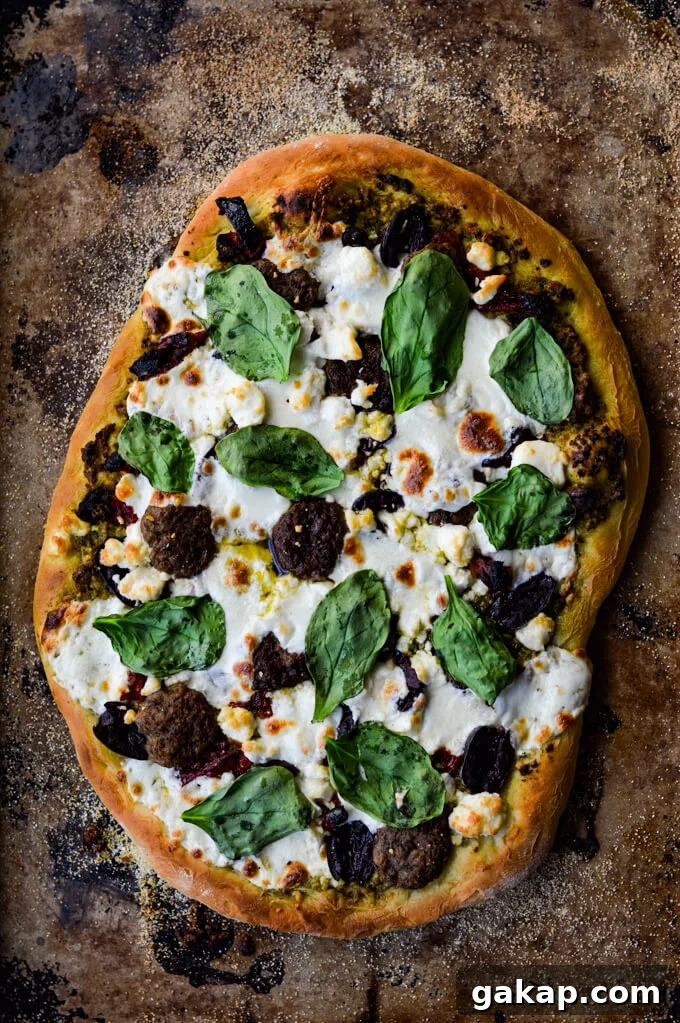
Mediterranean Pizza with Pesto Sauce
A gourmet option is a Mediterranean-style pizza with pesto, lamb sausage, kalamata olives, sun-dried tomatoes, fresh mozzarella, feta, and spinach. The dough’s texture complements bold, savory toppings.

Chicken Pizza with Jalapeño Raspberry Sauce
For a creative twist, try a raspberry-jalapeño sauce topped with chicken, caramelized onions, and goat cheese, finished with fresh cilantro. The slightly sweet and spicy sauce pairs unexpectedly well with tangy cheese and tender chicken.
A great “linger-around-the-table” idea:
Host a pizza party. Prepare individual dough balls and set out a variety of sauces and toppings. Let guests build their own pizzas—it’s an easy, social, and delicious way to enjoy a meal together.
The smell of homemade pizza baking fills the house with anticipation. This classic pizza dough recipe is a versatile foundation for countless topping combinations. Experiment, have fun, and enjoy the rewards of homemade pizza.
Crispy and Chewy Homemade Pizza Dough Recipe

This homemade pizza dough made by hand produces a crust that, when you sink your teeth into it, is both crispy and chewy. It creates a dependable base for a wide array of toppings.
- Author: Kristy Murray
- Prep Time: 15 minutes (not including rising time)
- Cook Time: 10-15 minutes
- Total Time: 2 hours (including rising time)
- Yield: 3 medium pizza crusts
- Category: Pizza
- Method: Oven
- Cuisine: American
Ingredients
- 1 package Dry Active Yeast
- 1 teaspoon Granulated Sugar
- 1 ¼ cups Lukewarm Water
- 3 cups Bread Flour
- 1 ½ teaspoons Kosher Salt
- 2 tablespoons Olive Oil, plus extra for the bowl
- Cornmeal, for sprinkling on the pizza stone
Instructions
- In a small bowl, combine the yeast and sugar. Add lukewarm water and stir until dissolved.
- Set the bowl in a warm place and let it rest about 10 minutes until foamy.
- Whisk flour and salt in a large bowl. Make a well and add the yeast mixture and olive oil.
- Stir until the dough begins to come together.
- Turn the dough onto a lightly floured surface and knead for 3–5 minutes until smooth and elastic.
- Coat a large bowl with olive oil and place the dough inside, rolling to coat with oil.
- Cover with a dish towel and set in a warm spot to rise 1–1 ½ hours, until doubled.
- Preheat the oven to its highest setting (about 550°F) and place pizza stones inside to preheat.
- Divide the dough into the number of pizzas you want—1 large, 2 medium-large, or 3 medium.
- On a floured surface, roll each dough ball from the center outward to desired thickness.
- Sprinkle the preheated pizza stone with cornmeal, transfer the dough, add toppings, and bake.
- Bake 10–20 minutes, until crust is golden and cheese is bubbly.
Notes
- Use lukewarm water (about 105°–110°F) to activate yeast.
- Sugar helps activate the yeast; 1 teaspoon is sufficient.
- Always check that your yeast is fresh; no foam after 10 minutes indicates inactive yeast.
- Bread flour produces more gluten and a chewier crust compared with all-purpose flour.
- Knead with the heels of your hands, pushing away, rotating, folding, and repeating for 3–5 minutes.
- For a warm rising environment, use a microwave or an oven briefly preheated to 170°F and then turned off.
- Refrigerate shaped dough for up to 3 days or freeze tightly wrapped for up to 3 weeks. Thaw in the fridge before use.
- Higher oven temperatures yield a crispier, chewier crust; a pizza stone helps achieve an even bottom crust.
- Sprinkling cornmeal on the stone prevents sticking.
Nutrition
- Serving Size: ⅓ of pizza crust
- Calories: 267
- Sugar: 1 g
- Sodium: 280 mg
- Fat: 5 g
- Carbohydrates: 46 g
- Protein: 8 g