Meal planning is one of the best ways to cut grocery costs, save time, improve nutrition and reduce stress. A well-thought-out plan makes shopping and cooking simpler, but sometimes life intervenes and the best-laid menus don’t go according to plan.
Unexpected late nights, illness, or discovering that the last onion has gone soft are all moments when a backup strategy is invaluable. Rather than turning to expensive takeout, having a few convenience options ready can keep costs and calories down while still delivering a satisfying meal.
Below are practical, budget-friendly approaches to keeping convenient backup meals on hand without sacrificing health or common sense.
Meal Planning Hacks with Convenience foods
These three tips will help you create a flexible backup plan using a mix of homemade and store-bought convenience foods.
1. Stock the Freezer With Convenient Leftovers
Leftovers are one of the most economical convenience foods. When you already cook, make an extra portion and freeze it. That way, on the nights you can’t face the kitchen you have a homemade meal ready to go.
Instead of committing to marathon batch-cooking weekends, double up on dinners during regular cooking sessions. This spreads the work across normal meal prep and fills the freezer gradually with dishes you and your family already enjoy.
Another option is to prepare “oven-ready” meals that can be transferred from freezer to oven without extensive defrosting. These are handy for truly last-minute dinners and reduce the temptation to order takeout.
2. Stock a Few Convenience Foods
When the freezer is low, a small selection of smartly chosen store-bought convenience items can rescue a meal plan without breaking the budget. Look for quality options on sale and store them as your go-to backups.
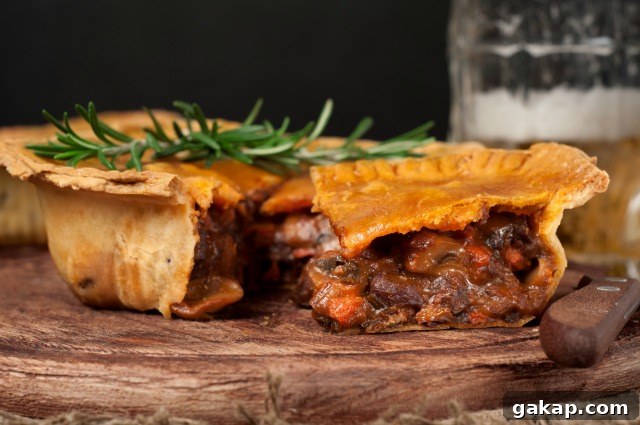
Useful items to keep on hand include simmer sauces, frozen pies, ready-marinated meat, frozen fish, and frozen vegetable mixes. Pre-cut vegetables and microwaveable meals can also save time when energy or time is limited. Reading labels helps you choose healthier versions, and weekly catalogues or supermarket specials will let you buy these items at lower prices.
Microwave meals or single-serve ready meals are particularly useful for individuals or small households. They aren’t meant to replace home-cooked food, but as occasional backups they can prevent expensive and less healthy takeaway choices.
- Pre-cut vegetables
- Simmer sauces
- Pre-marinated meat
- Frozen vegetable mixes
- Spring rolls or similar frozen snacks
- Frozen chicken tenders or fillets
3. Keep a List of Instant Meal Ideas
When you open the fridge and experience decision paralysis, a short list of quick meal ideas saves time and mental energy. These meals make use of items you already have and can be assembled in minutes.
Simple ideas include toasted sandwiches, noodles with a fried egg, salad and tuna on toast, or a quick stir-fry using frozen veg and a pre-made sauce. Toasted sandwiches feel like a treat for kids and adults alike; noodles and an egg are filling, cheap and fast.
Compile a handful of family favorites and post them where everyone can see them. That way, anyone can pull together a meal without needing extra groceries or outsourcing to takeout.
Meal planning reduces food waste and supports healthy eating on a budget. But for the inevitable days when plans fall apart, having a considered backup strategy — a few homemade frozen meals, selected convenience foods, and a short list of instant ideas — will keep dinner solved without stress, extra cost, or unhealthy compromises.