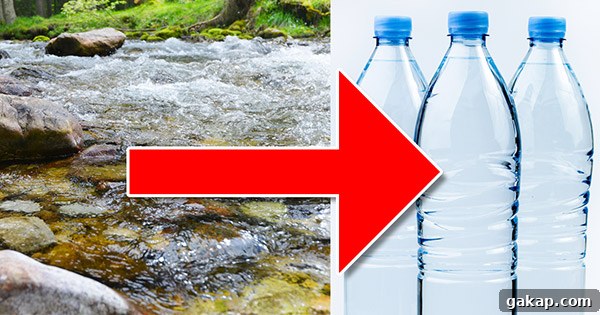
Being prepared for unexpected emergencies is essential. Emergency supplies—especially water—can be critical to help you and your family stay safe until normal conditions return. Below are practical suggestions for sources of water and safe treatment methods to make water potable.
How to Sterilize Water
Planning ahead for emergencies reduces their impact. When an emergency threatens your access to clean water, having reliable ways to sterilize and store water is one of the most important preparedness steps you can take.
Many people will face a disruption in water service at some point—floods, fires, tornadoes, ice storms and hurricanes frequently affect large areas. This guide explains safe methods to find and treat water so you have a usable supply when municipal sources are unavailable.
How To Sterilize Water By Boiling
- Boil water when bottled water is not available. Boiling is effective against bacteria, viruses and protozoa.
- If the water is cloudy, let solids settle and filter through a clean cloth or coffee filter before boiling.
- Bring water to a rolling boil for at least one minute. If you are above 5,000 feet in elevation, boil for three minutes.
- Allow the water to cool and store it in covered containers.
To improve the taste of boiled water, add a pinch of salt per quart or liter.
How To Purify Water Using Bleach
When boiling isn’t possible, household bleach can disinfect water.
Use only regular, unscented chlorine bleach that lists sodium hypochlorite (commonly 6% or 8.25%) and is intended for disinfection. Do not use scented, color-safe, or bleach products with added cleaners.
If the water is cloudy, allow it to settle and then filter through a clean cloth, paper towel, or coffee filter before treating.
Use liquid chlorine bleach that has been stored at room temperature for less than one year.
Refer to the table below to determine the correct amount of bleach. For example, add 8 drops of 6% bleach or 6 drops of 8.25% bleach to each gallon of clear water. For cloudy, colored, or very cold water, double the dosage.
Stir the water and let it stand for 30 minutes. The water should have a slight chlorine smell. If no odor is detected, repeat the dosage and wait an additional 15 minutes.
If the chlorine smell or taste is strong, pour the water between clean containers and let it sit for a few hours to dissipate the odor before using.
| Volume of Water | Amount of 6% Bleach to Add* | Amount of 8.25% Bleach to Add* |
| 1 quart/liter | 2 drops | 2 drops |
| 1 gallon | 8 drops | 6 drops |
| 2 gallons | 16 drops (1/4 tsp) | 12 drops (1/8 tsp) |
| 4 gallons | 1/3 teaspoon | 1/4 teaspoon |
| 8 gallons | 2/3 teaspoon | 1/2 teaspoon |
*Bleach formulations commonly contain 6% or 8.25% sodium hypochlorite.
Other Sources Of Water
- Ice cubes (melt and treat)
- Hot water tank (water heater) — use the drain valve and follow safety precautions
- Rivers or lakes (prefer flowing water and treat before drinking)
- The upper tank (tank reservoir) on the back of a toilet — only use the clean water in the tank, not the bowl
If you expect your water service to be interrupted, immediately fill any clean containers you have available, including:
- Bathtub
- Trash cans (cleaned first)
- Baby pools
- Crockpots
- Cooking pots
- Plant vases (cleaned)
- Pitchers
- Buckets
- Plug sinks and fill with water
Flowing water is generally preferable to still, stagnant water. Avoid water with floating debris, a dark color, or a strong, questionable odor. Regardless of source, always treat the water using boiling or proper disinfection methods described above.
If your well has been flooded, disinfect and test the well water before using it for drinking or cooking.
Consider water clarity and filtration needs. Disinfection is less effective in cloudy or colored water. Let cloudy water settle, then filter through a clean cloth, paper towel, or coffee filter before disinfecting. Store settled and filtered water in clean, covered containers and label them to distinguish potable from non-potable supplies.
Click here to get our Dining On A Dime Cookbooks, featuring simple recipes and helpful tips to save money and make meal planning easier.