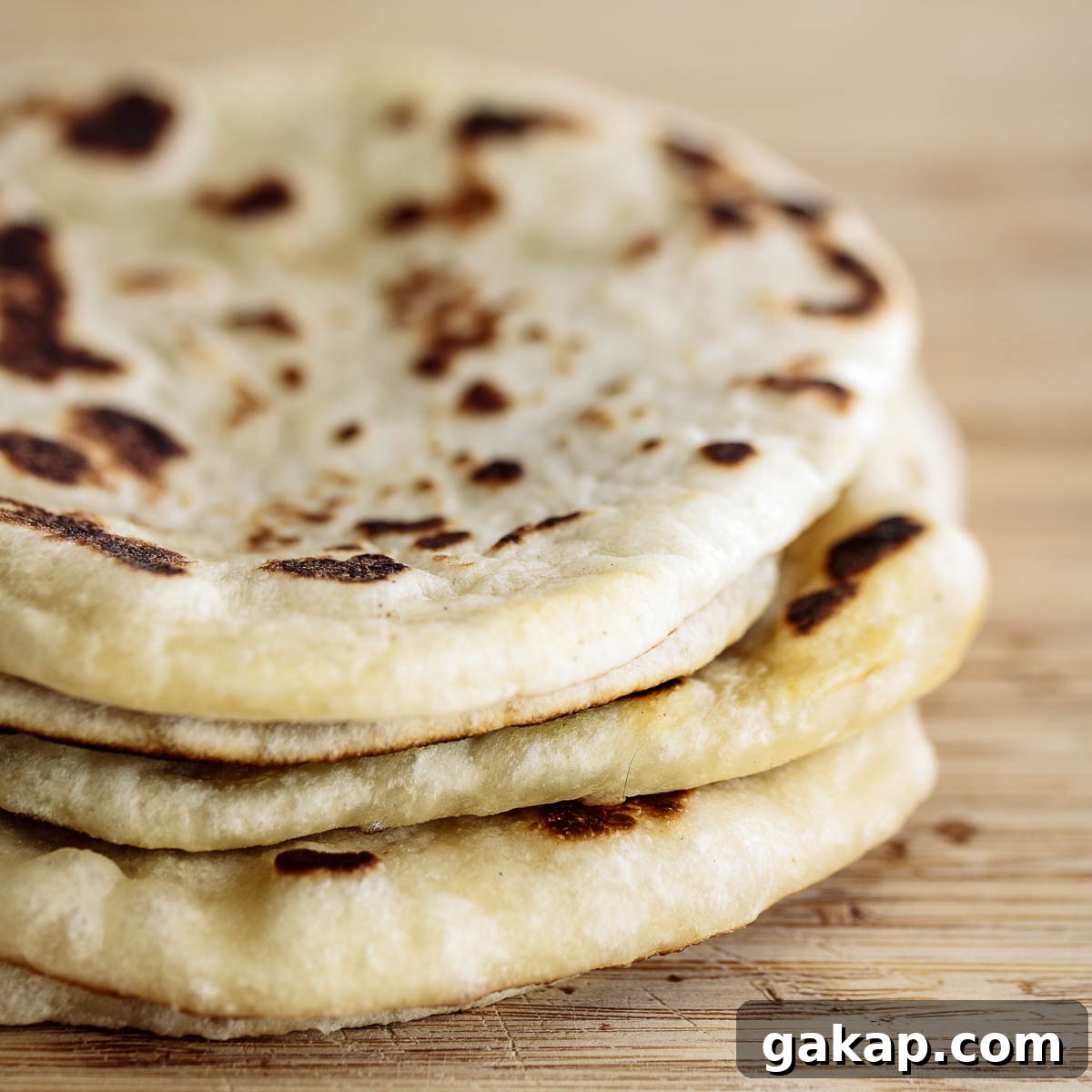
Sourdough Naan is incredibly simple to make and very forgiving. This version uses sourdough discard and basic pantry ingredients. You can use regular Greek yogurt or a vegan alternative without sacrificing flavor, producing a soft, flavorful flatbread perfect for dipping or serving with a meal.
If you don’t yet have a sourdough starter, you can make one at home and keep it for many discard-based recipes.
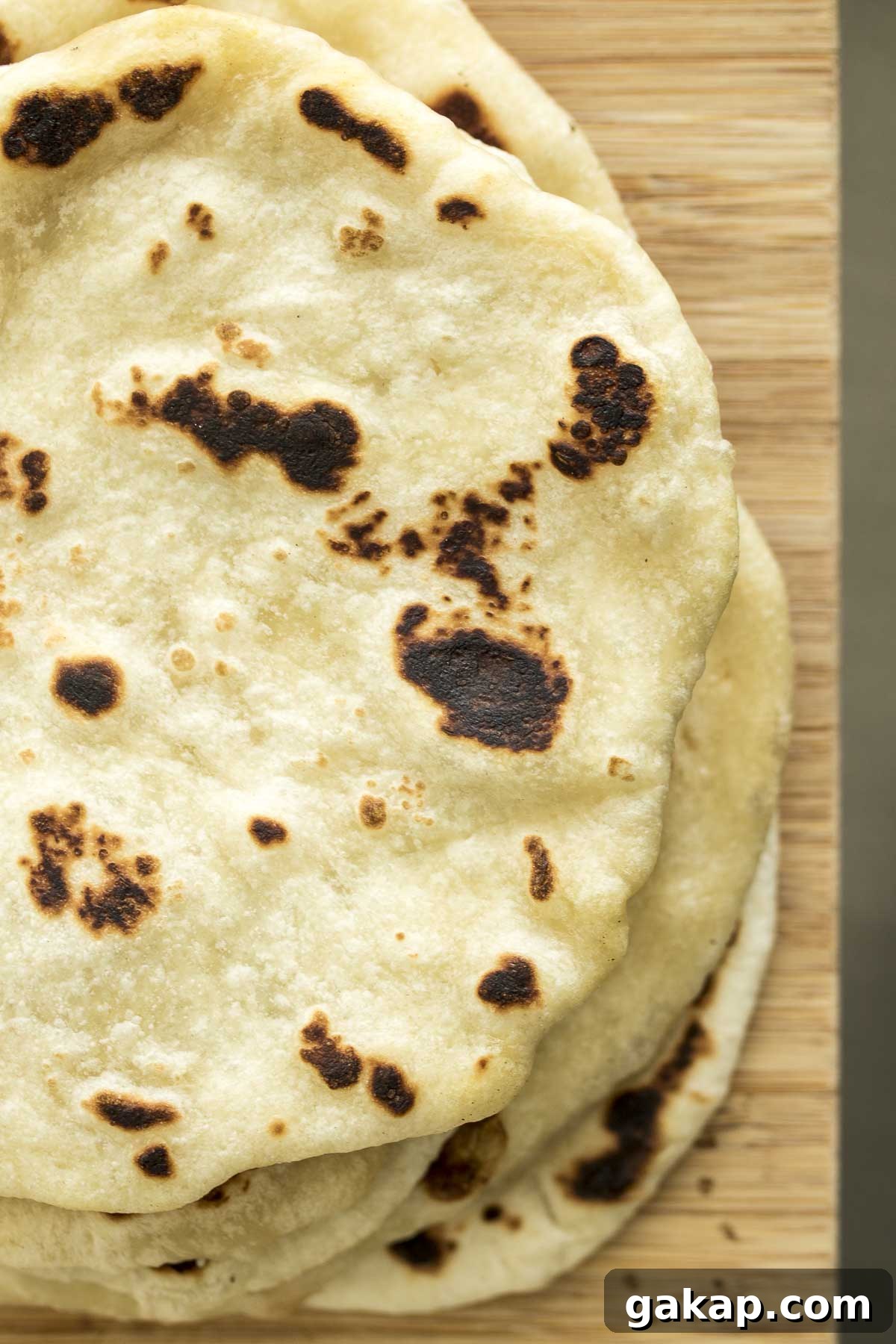
This recipe is a small batch that yields roughly six flatbreads. If you need more, it scales well—double or triple the quantities to suit your needs.
Ingredients
Use the ingredient notes below to guide substitutions and to make the naan dairy-free if needed.
- Sourdough discard — Use discard at 100% hydration. If you store your discard in the fridge, bring it to room temperature for about an hour before using.
- All-purpose flour — No bread flour required. For a nuttier, denser loaf, substitute up to half of the all-purpose flour with whole wheat. Spelt can likely be used for up to half the flour, though results will vary.
- Sugar — Caster or granulated sugar both work. Brown sugar or demerara are acceptable alternatives and will add a touch of caramel flavor.
- Salt — Fine sea salt is recommended for even seasoning.
- Greek yogurt — Use unsweetened, unflavored Greek yogurt or sour cream. For a vegan version, choose an unsweetened, unflavored vegan Greek-style yogurt.
- Olive oil — Extra-virgin olive oil gives better flavor; avoid neutral vegetable oils if you want more character in the bread.
- Water — Room temperature, filtered water is best.
Making naan with sourdough discard
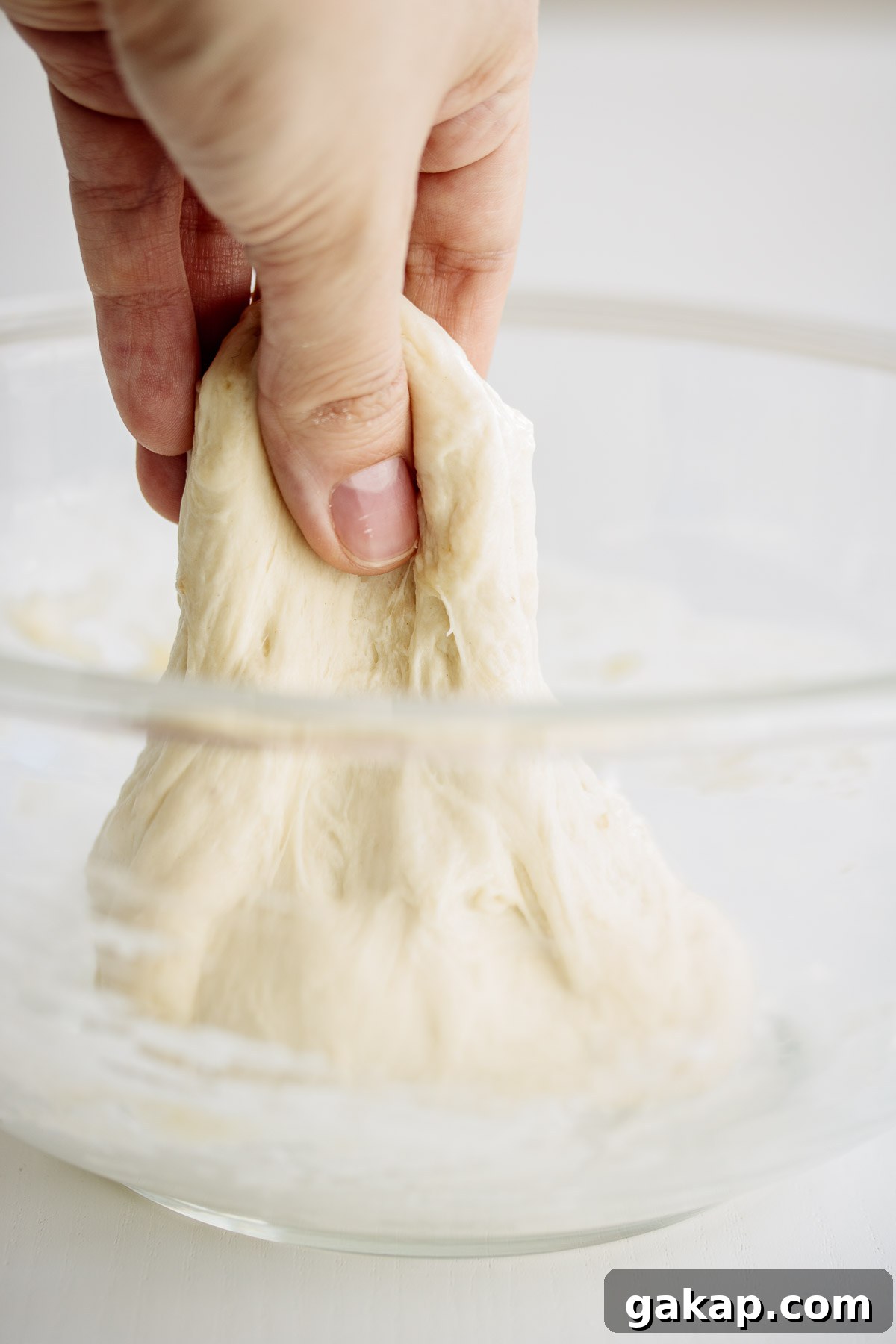
This is a fast, straightforward method that requires no kneading—just mix, rest, shape and cook. The dough won’t double like enriched doughs, so don’t worry if it seems only slightly puffed after resting.
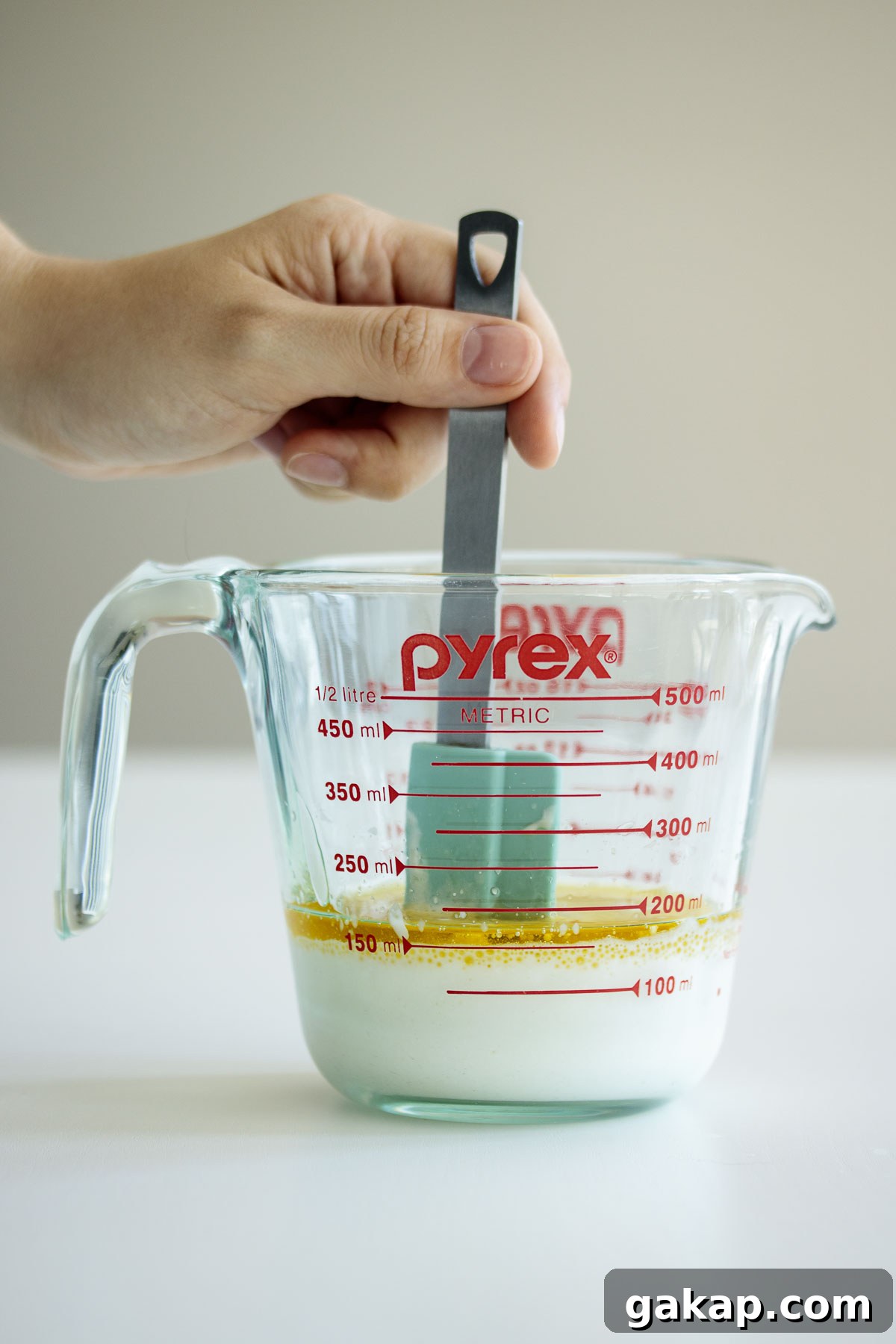
- In a medium bowl, whisk together the water, olive oil, Greek yogurt and sourdough discard until smooth.
- In a large bowl, combine the flour, sugar and salt. Pour in the wet ingredients and stir until a cohesive dough forms. You can mix by hand or use a stand mixer on low speed—there’s no need for long kneading.
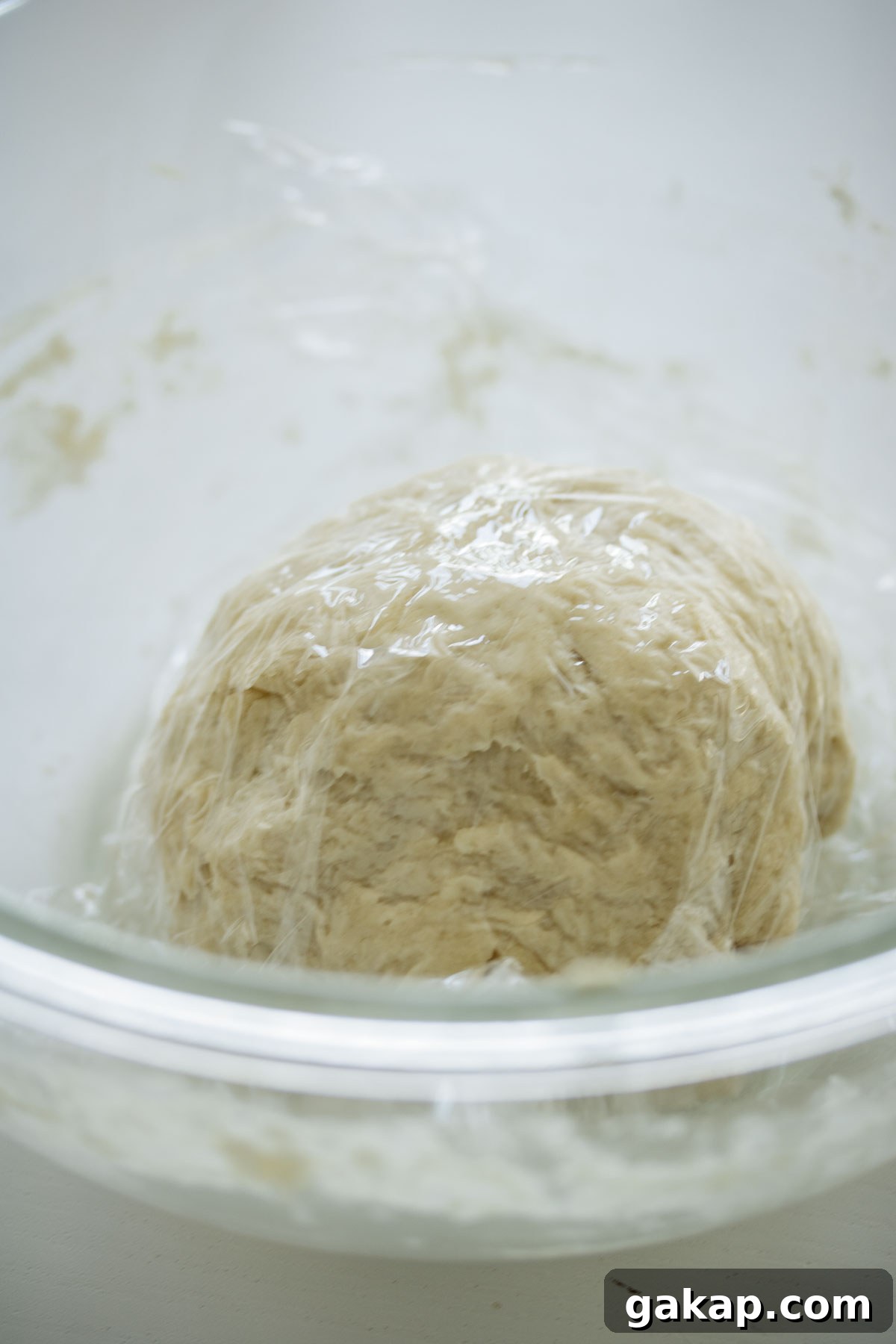
- Cover the bowl with plastic wrap or a damp warm towel to prevent the surface from drying. Let the dough rest in a warm spot for about 2 hours. It won’t rise dramatically but will relax and become easier to shape.
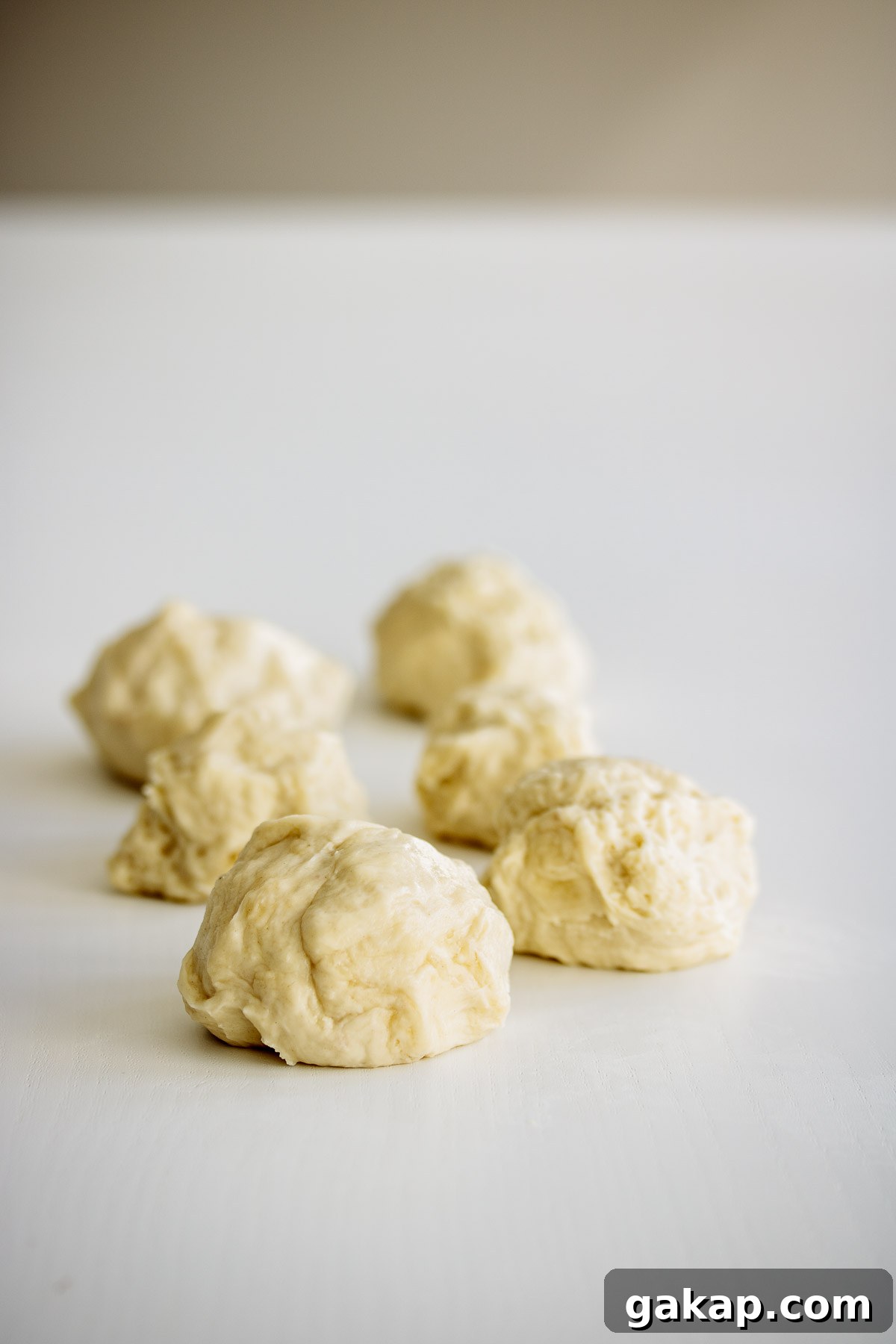
- Divide the dough into six equal pieces and let them relax for another 10 minutes. Resting makes rolling or stretching much easier.
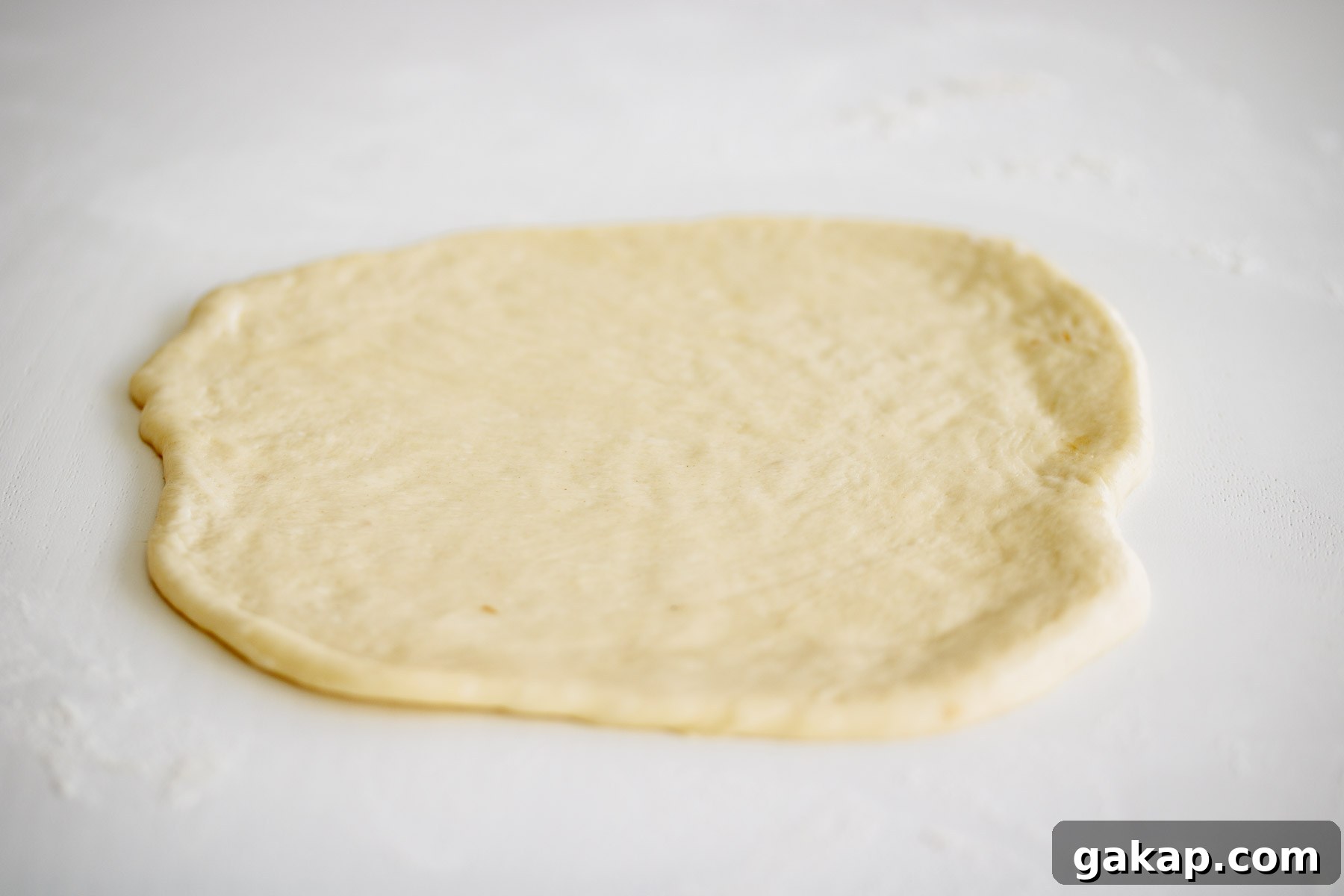
- On a clean, lightly floured surface, roll or stretch each piece into a roughly 1/4 inch (about 6 mm) thick oval or round. Perfection is not required—irregular shapes are part of the charm.
Note: If you don’t have a rolling pin, a clean bottle works well. You can also stretch the dough by hand for a more rustic texture.
- Preheat a skillet or pan over high heat. A hot surface is essential for good naan texture and quick puffing.
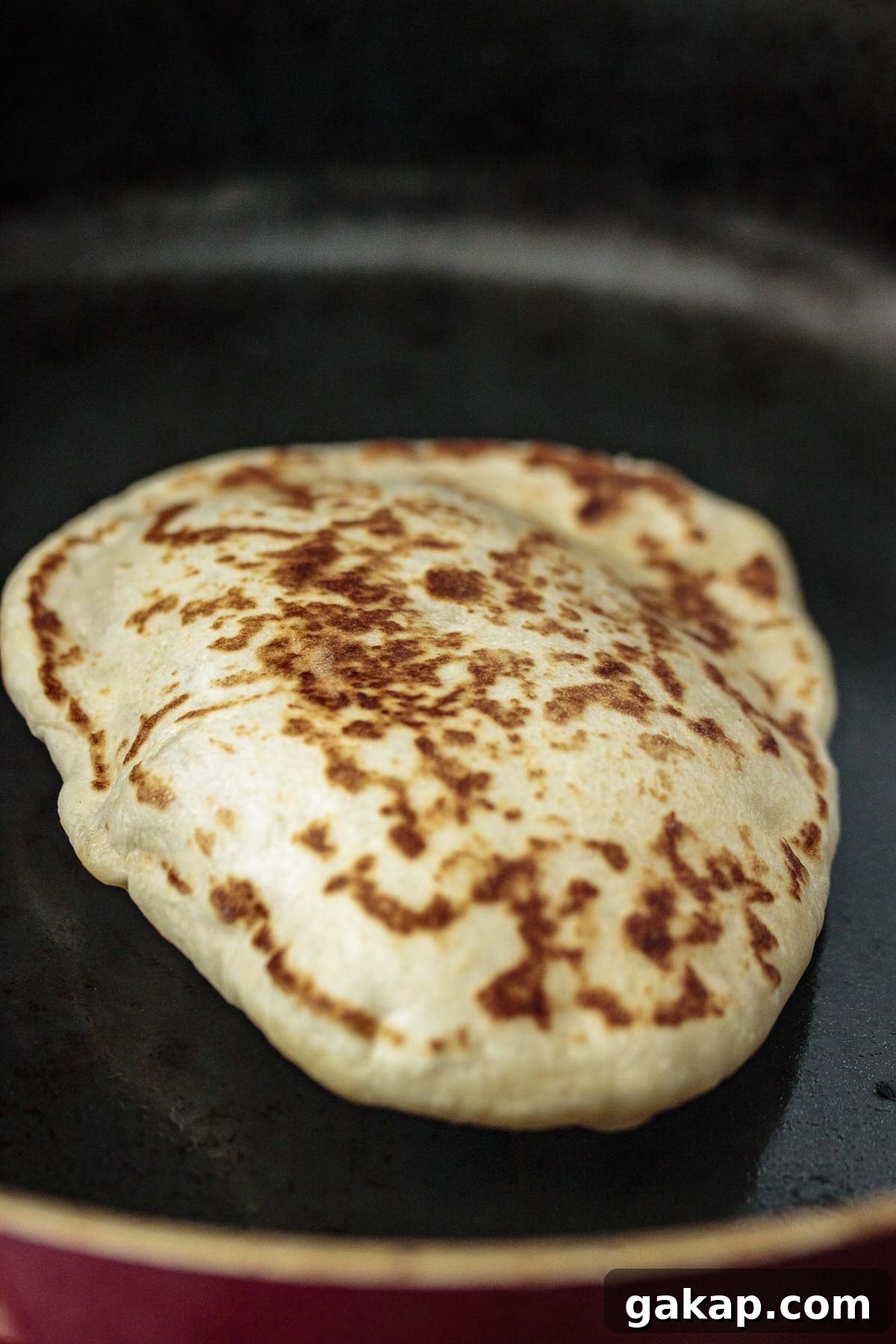
- Drizzle a little olive oil in the pan (about 1 teaspoon) and cook each naan about 1 minute per side. You should see bubbles forming and the surface blister slightly.
- Optionally brush the top with olive oil before flipping for a richer finish. Serve naan warm for best flavor and texture.
Cooking time
Cooking time depends on your pan. A medium-thickness skillet works well; most skillets cook each side in about 1 minute on high heat without burning. If you see browning too quickly, reduce the heat slightly. If the naan stays pale and doesn’t bubble, increase the time by 30–60 seconds on the first side and monitor the second side accordingly.
Making it ahead
You can prepare the dough ahead and refrigerate it, which makes this a convenient make-ahead recipe. To do so, mix the dough and let it rest at room temperature for one hour, then cover tightly and chill. The dough will keep well in the refrigerator for up to three days.
When ready to use, let the dough sit at room temperature for about one hour before dividing and shaping, or work directly from the fridge if you’re short on time. Both approaches give good results.
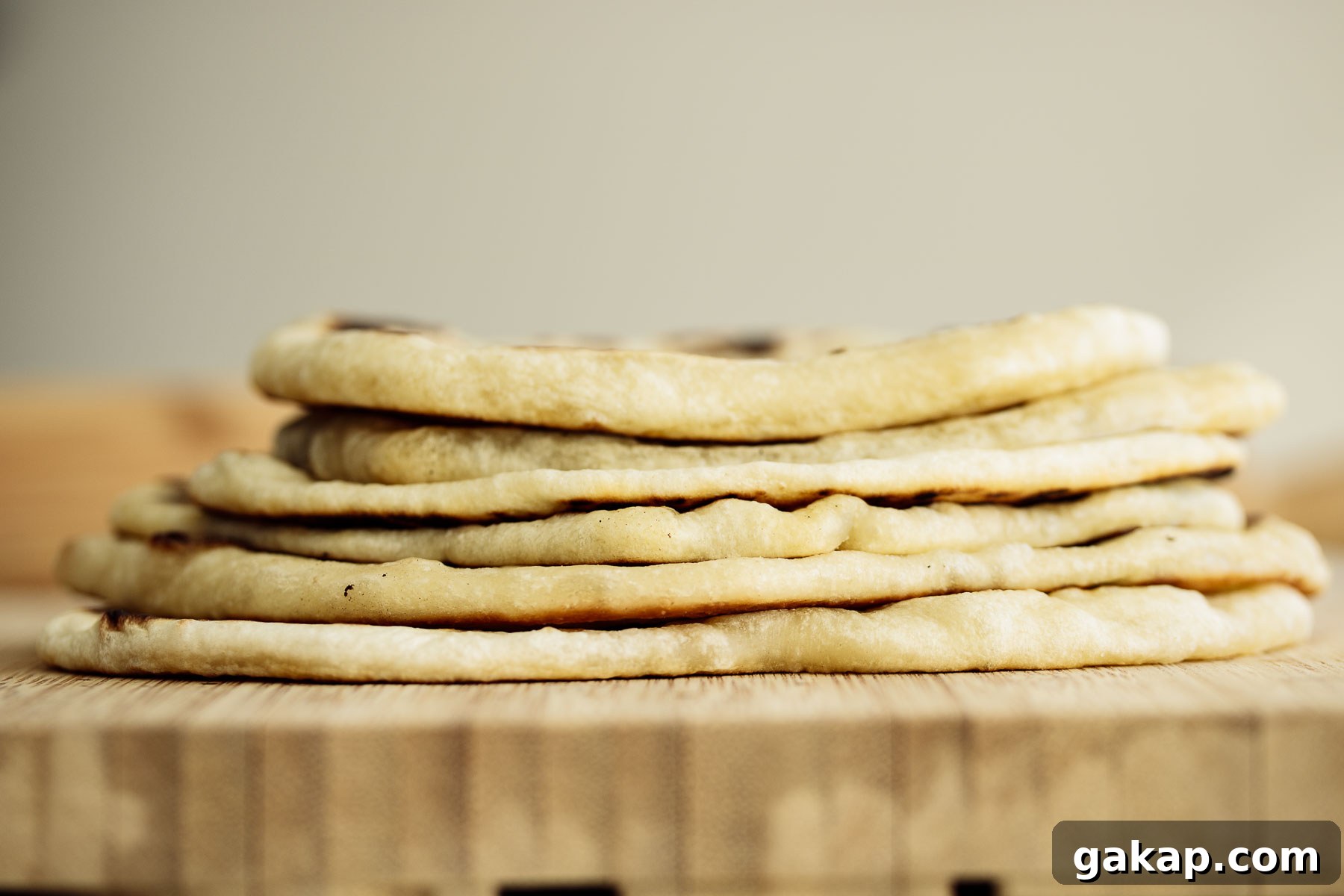
Tips for success
- Flour the surface: Lightly flour the work surface and the dough so it doesn’t stick while rolling or stretching.
- Don’t chase perfection: Naan doesn’t need perfect shapes; rustic rounds and ovals are delicious and look homemade.
- Preheat the skillet: Make sure the pan is hot before the dough hits it—this creates those classic naan bubbles and light char.
- Adjust dryness: The dough should be soft but not sticky. If it sticks excessively after mixing, add 1–2 tablespoons of flour at a time until manageable.
Trying new flavors
Customize the dough to add flavor: use garlic-infused olive oil for a subtle garlic note, mix in dried cilantro or fresh chopped herbs for an herby twist, or fold 1/4 cup grated Parmesan into the dough for a cheesy variation. These small additions transform the naan and pair well with a wide range of dishes.
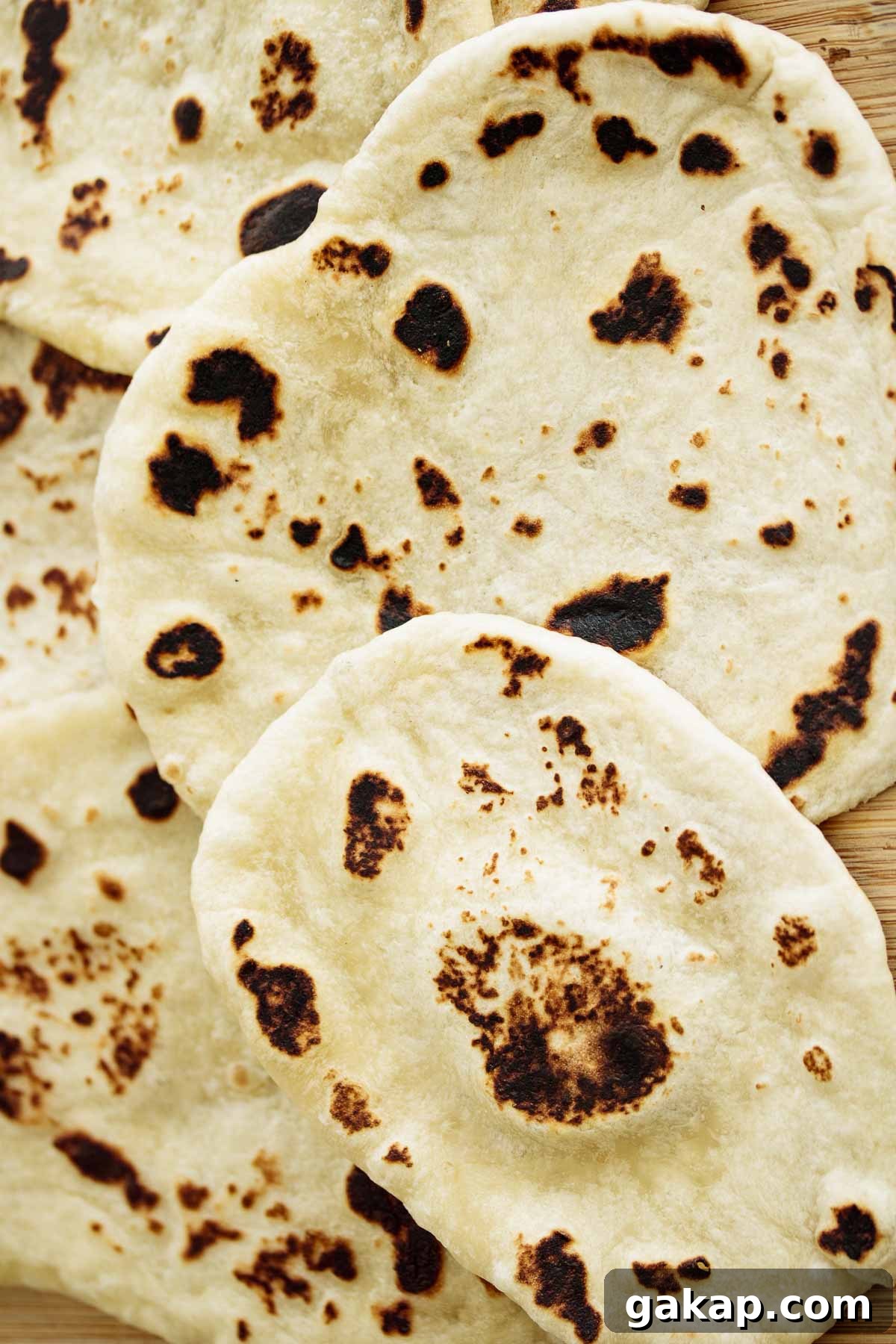
Serving suggestions
Sourdough naan is versatile. Serve it warm with:
- Curry or saucy stews for dipping;
- Tzatziki or plain yogurt and roasted or caramelized onion chutney;
- Hearty winter soups like chicken and rice or creamy pumpkin soup;
- Wrapped around grilled vegetables, meats, or used as a soft sandwich flatbread.
Recipe

Sourdough Naan (Sourdough Discard Flatbread)
A quick, no-knead flatbread made with sourdough discard, Greek yogurt (or vegan yogurt), and a few pantry staples. Soft, slightly tangy, and perfect hot from the skillet.
Ingredients
- 1/4 cup sourdough discard (100% hydration)
- 1/4 cup water
- 1 tbsp Greek yogurt (or vegan yogurt)
- 2 tbsp olive oil (plus extra for cooking)
- 1 1/4 cups all-purpose flour
- 1 tbsp sugar
- 1/2 tsp salt
Instructions
- In a medium bowl, combine the water, olive oil, Greek yogurt and sourdough discard.
- In a larger bowl, mix the flour, sugar and salt. Add the wet ingredients and stir until a dough forms. You can use a spoon, your hands, or a stand mixer.
- Cover the bowl with plastic wrap or a damp towel and let rest in a warm spot for about 2 hours. The dough won’t rise dramatically; it should relax and feel easier to handle.
- Divide the dough into six pieces and let them rest for 10 minutes.
- On a lightly floured surface, roll or stretch each piece to about 1/4 inch thickness.
- Preheat a skillet over high heat. Drizzle about 1 teaspoon of olive oil in the pan and cook each naan for roughly 1 minute per side, until bubbles form and the surface has brown spots. Adjust timing based on your pan.
- Brush with a little olive oil if desired and serve warm.
Notes
Storing: Once cooled, store leftovers in an airtight container at room temperature for up to 3 days. Reheat briefly in a skillet or wrapped in foil in a low oven.
Vegan version: Substitute Greek yogurt with an unsweetened vegan Greek-style yogurt.
Make-ahead: After mixing, let the dough rest 1 hour at room temperature, then cover tightly and refrigerate for up to 3 days. Bring to room temperature for about an hour before shaping, or work straight from the fridge.
Sticky dough: The dough should be soft but not overly sticky. If it sticks to your hands or the surface, add 1–2 tablespoons of flour at a time until manageable.
Nutrition
Per serving (approx.): Calories 145 kcal; Carbohydrates 22 g; Protein 3 g; Fat 5 g; Sodium 196 mg; Fiber 1 g; Sugar 2 g.
Tried this recipe? Feel free to note any changes you made and how it turned out when you cook it.