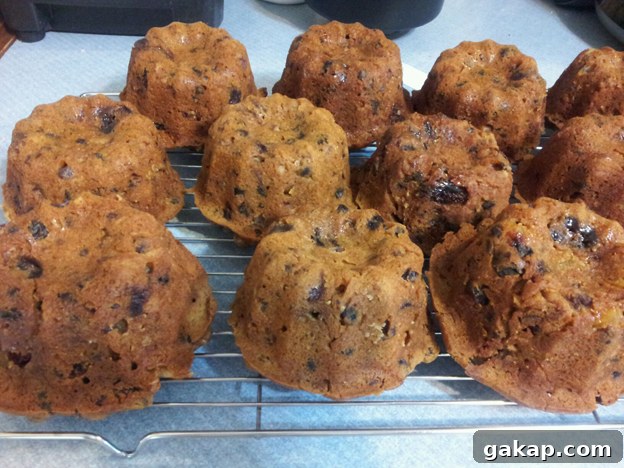
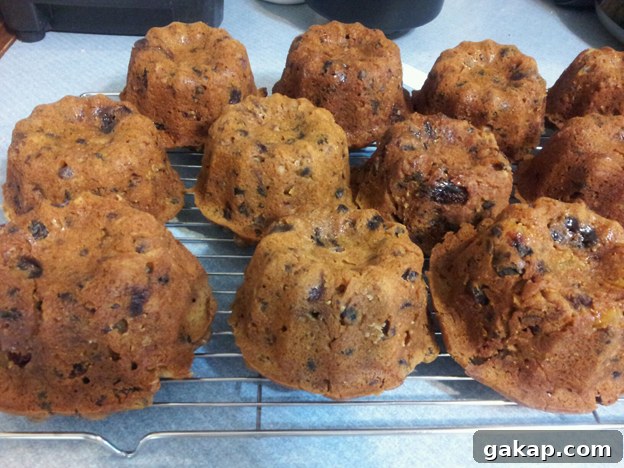
Fruitcake has long suffered from an unfair reputation, much like Brussels sprouts did for years. Once a flavorful, well-loved treat, many modern versions became overprocessed and overly sweet, bearing only the name of the original. Fortunately, fruitcake is making a comeback as bakers rediscover how to balance fruit, spice, and texture for a tender, vibrant loaf.
My favorite is a Spiced Orange Fruitcake that highlights citrus, warm spices, and a mix of dried fruits and nuts. It’s lighter and fresher than heavy, molasses-laden versions, and can be made as mini loaves, muffins, or a single large bundt. Below I explain the key principles that make a great fruitcake and provide a detailed recipe and step-by-step guidance you can apply to most fruitcake variations.
The keys to a nutty, tangy fruitcake that delights rather than overwhelms are straightforward:
- Use high-quality dried fruit as the base.
- Keep a good dried-to-candied fruit ratio — aim for at least twice as much dried fruit as candied peels or cherries.
- Choose a recipe with a generous fruit-to-batter ratio; the volume of fruit should roughly match the combined volume of flour and sugar.
- Avoid excessive molasses if you want a lighter cake with bright orange notes.
- Make quantities appropriate for your needs; many recipes make several loaves, so scale down if you prefer fewer cakes.
- If possible, candy your own fruit or peels for better flavor and texture. Homemade candied cherries or orange peel add freshness that store-bought candied fruit often lacks.
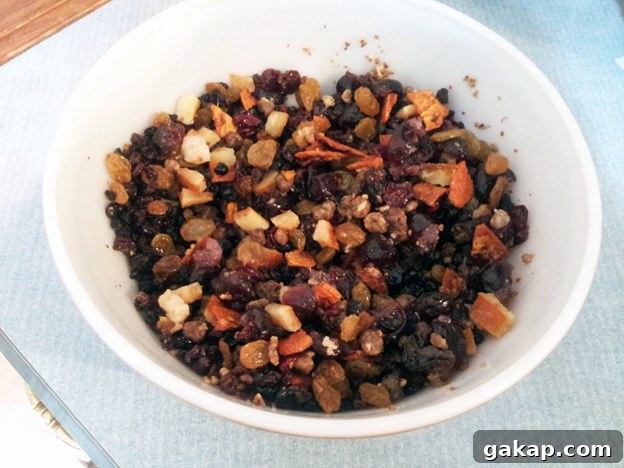
Step 1: Combine fruit with 1/4 cup Triple Sec, brandy, or orange juice. Cover and let sit 4–24 hours at room temperature to plump and flavor the fruit.
Soaking the dried fruit in a small amount of liquor or juice softens it and infuses the cake with moisture and aroma. You can use Triple Sec, brandy, or simply orange juice for a non-alcoholic version. Aim for a short soak of several hours or up to a day.
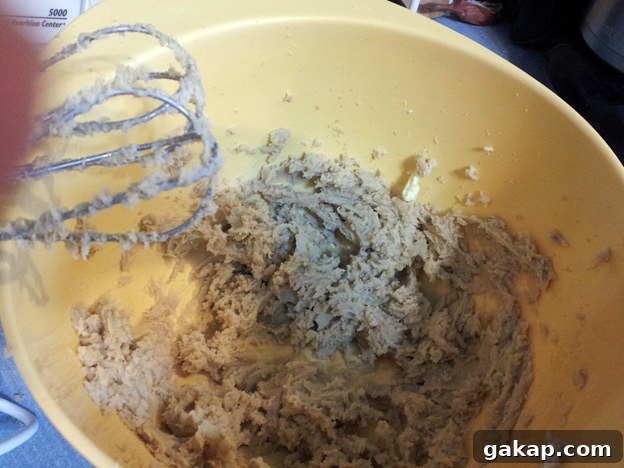
Step 2: In a large bowl, beat butter and brown sugar until light and fluffy.
Beat the butter and brown sugar well to incorporate air. This helps keep the cake tender and provides a pleasant texture that contrasts with the chewy fruit.
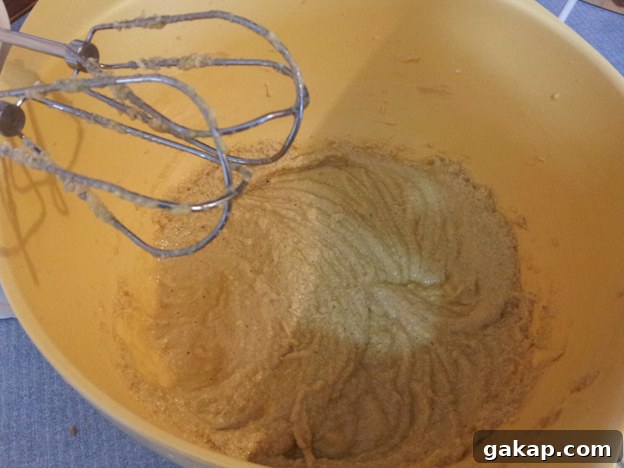
Step 3: Add eggs, beating well after each, molasses and orange juice. Beat well to combine.
Add eggs one at a time, beating thoroughly after each addition, then fold in molasses and orange juice. The orange juice brightens the flavor and complements the spices.
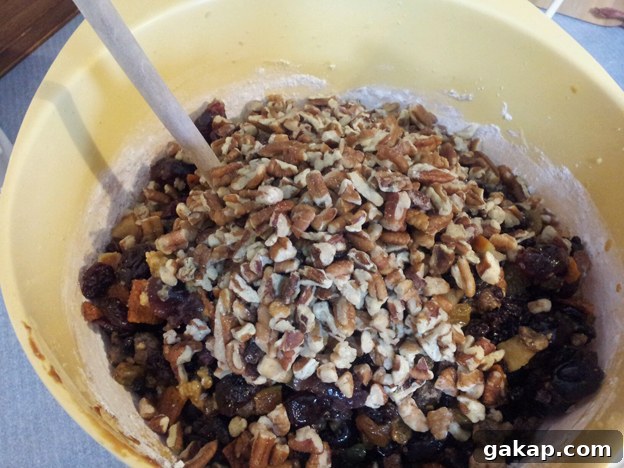
Step 4: Stir in flour, baking powder, and spices. Add the fruit/liquor mixture and nuts.
Fold in the dry ingredients and then add the soaked fruit and chopped pecans. Make sure fruit and nuts are well distributed so every bite contains both flavor and texture.
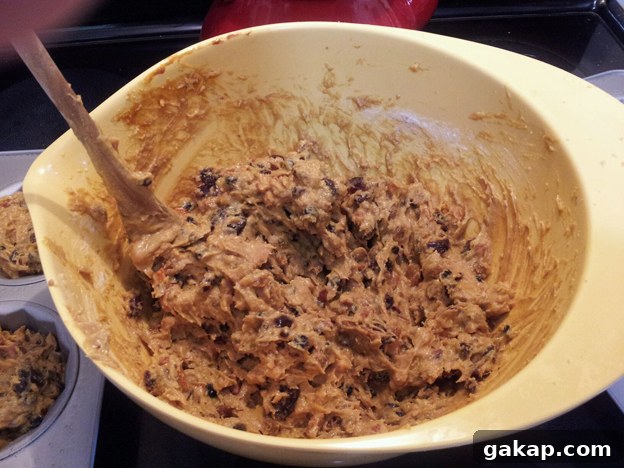
Step 5: Mix thoroughly to ensure even distribution of fruit and batter.
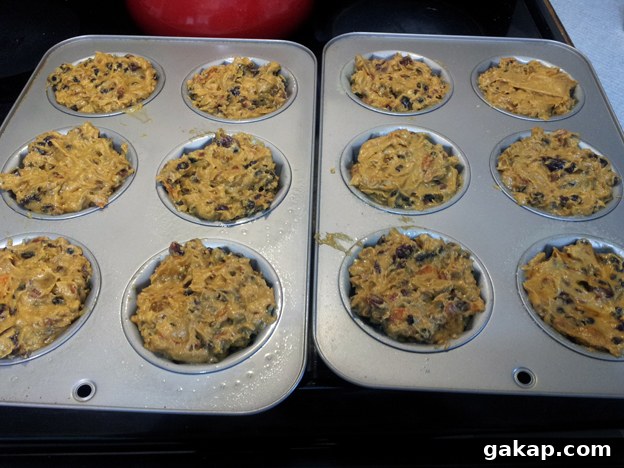
Step 6: Fill greased pans with batter and bake at 300°F for 45–55 minutes for mini loaves, or until a toothpick inserted in the center comes out clean.
Bake at a low temperature to allow the dense batter to cook evenly without burning the exterior. Times vary with pan size: mini cakes will bake much faster, while a single large cake can take significantly longer.
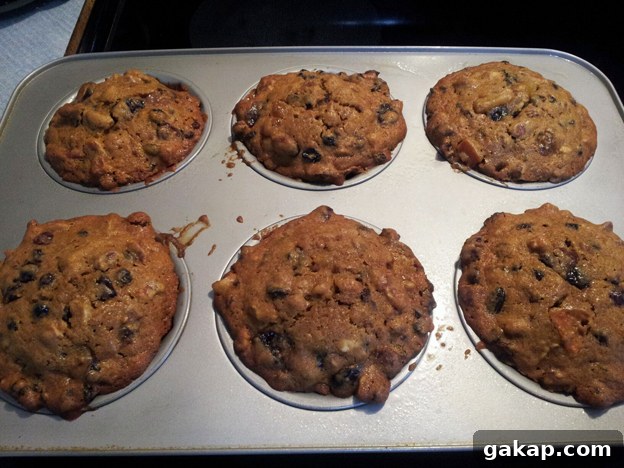
Step 7: Remove from oven and let cool for 10 minutes in pan before turning out.
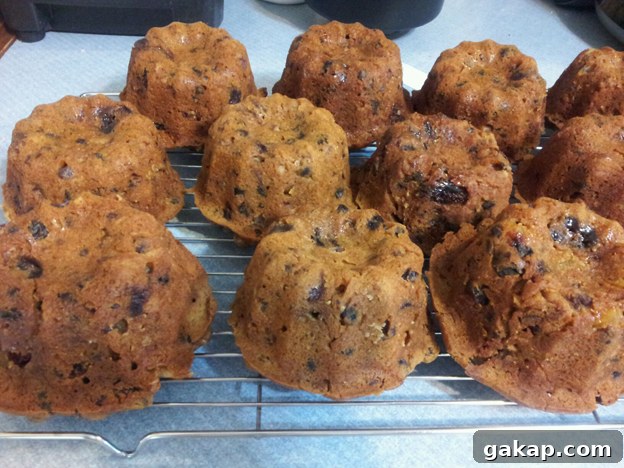
Step 8: Remove from pan and cool completely on a wire rack.
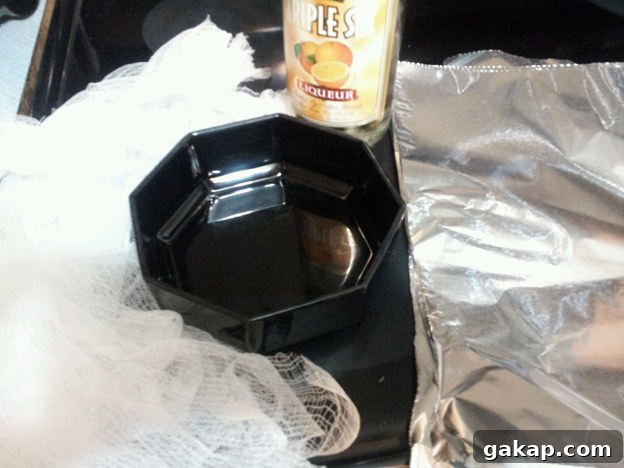
Step 9: Cut cheesecloth and foil to wrap each fruitcake. Prepare a small bowl of Triple Sec or orange juice for soaking.
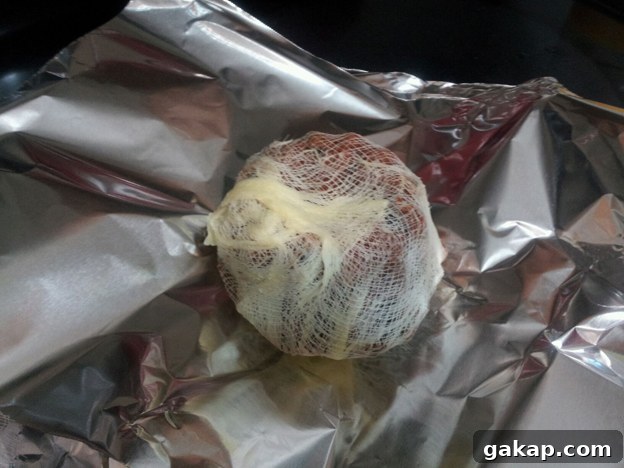
Step 10: Soak cheesecloth in liquor or juice and wrap each cooled cake, then enclose in foil for storage.
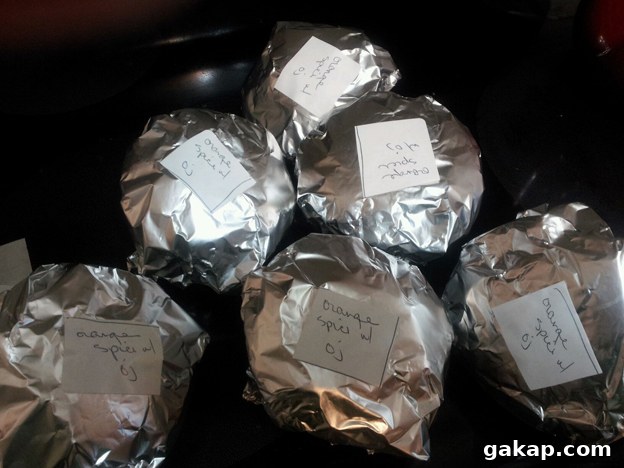
Step 11: Label each cake and store in a cool place for at least one week and up to three months. Check the cheesecloth weekly and re-soak as needed to keep cakes moist.
Recipe (yields several mini fruitcakes, scale as desired):
- 4 cups dried fruit (suggestions: dates, golden raisins, currents, cranberries, apricots, and a small amount of candied orange peel)
- 1 1/2 cups candied cherries, halved
- 1/4 cup Triple Sec or orange juice for soaking
- 1 cup butter, softened
- 1 cup brown sugar
- 5 eggs
- 1/4 cup molasses
- 3/4 cup orange juice (additional, for batter)
- 3 cups all-purpose flour
- 2 tsp baking powder
- 1/2 tsp ground mace
- 1/2 tsp ground cinnamon
- 1/2 tsp ground allspice
- 1/4 tsp ground cloves
- 2 cups chopped pecans
Notes on size and baking time: I prefer making mini fruitcakes roughly the size of large muffin cups because they are easy to portion and store. You can also make micro-mini cakes in regular muffin pans, bite-sized mini cakes in mini-muffin pans, traditional fruitcake loaves in loaf pans, or one large cake in a 10–12 cup bundt pan. Keep the oven temperature the same (300°F) but adjust baking time: bite-sized cakes may take around 18 minutes, mini loaves 45–55 minutes, and a single large cake may require 1 to 1½ hours depending on size.
Storing and aging: Wrapping each cake in liquor- or juice-soaked cheesecloth and foil helps preserve moisture and develops flavor over time. Store in a cool, dark place and inspect the cheesecloth every week, re-soaking with Triple Sec or orange juice as needed. Properly stored, these fruitcakes improve with age and can keep for several weeks to months.
With balanced fruit, the right spice blend, and careful baking, fruitcake can be a memorable, festive treat rather than an afterthought. Try the Spiced Orange Fruitcake as written or adapt the fruit and nuts to your taste for a personalized holiday favorite.