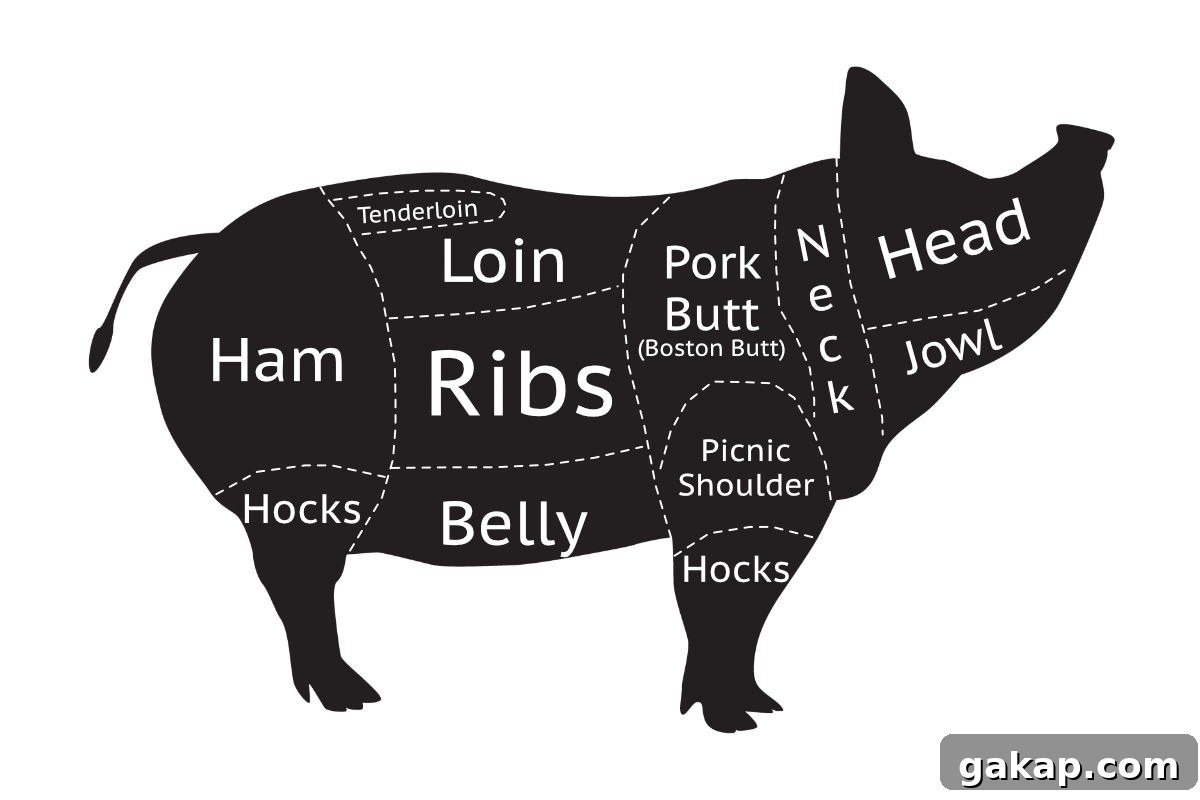
The ultimate rib showdown: Pork Loin Back Ribs vs St. Louis ribs. These two BBQ favorites come from different parts of the hog. Pork loin back ribs are cut from the area near the spine and loin, while St. Louis–style ribs come from lower on the pig, trimmed from the spare rib section.
Both cuts offer distinct textures and flavors. This guide explains how they differ, highlights their flavor profiles, and shares cooking tips so you can choose the best rib for your next cookout and get consistently great results.
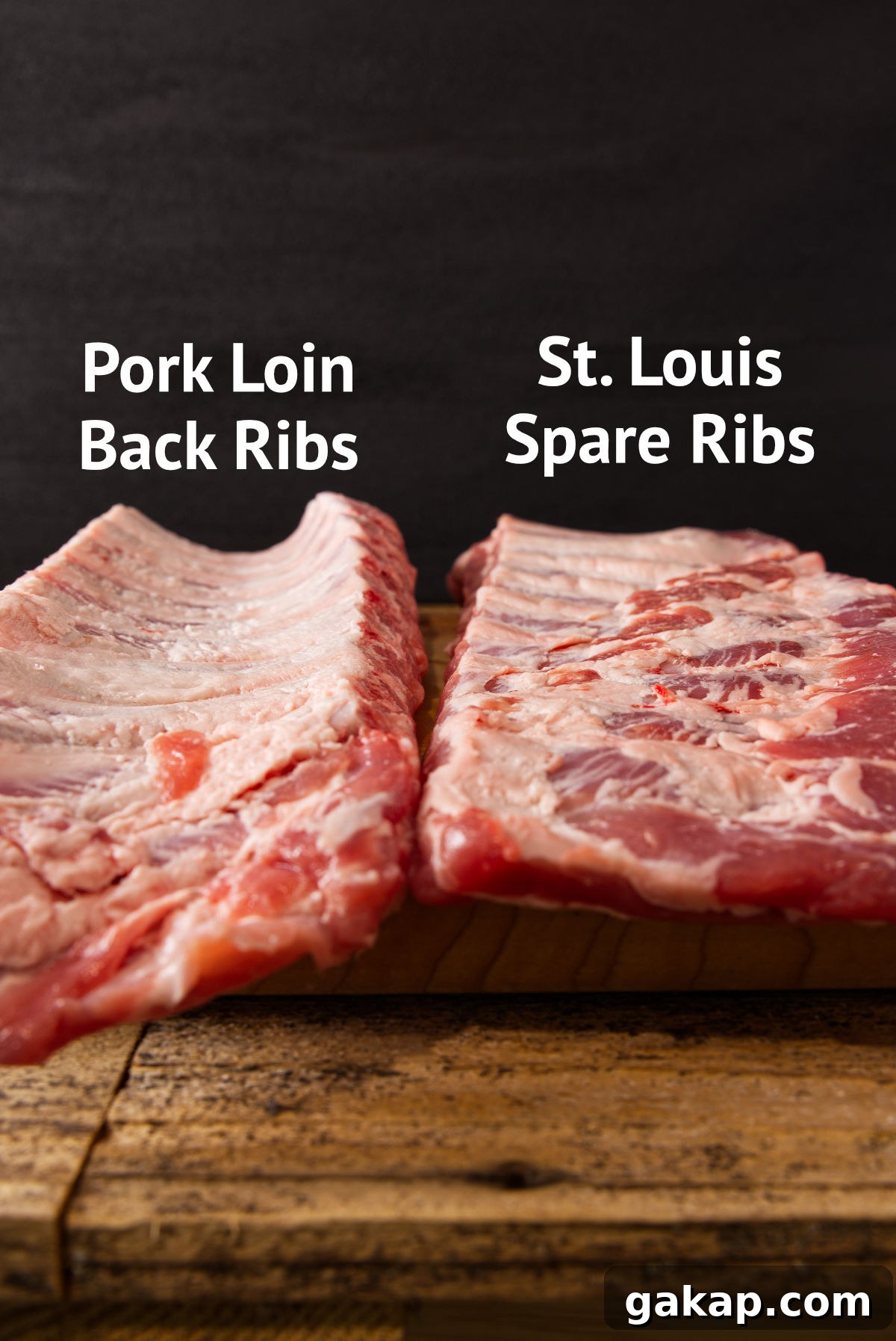
🔑 Key Differences: Baby Back vs St. Louis
Both cuts are delicious and worth trying. If you can, cook both and compare side-by-side. If not, these concise points will help you pick the rack that suits your taste and cooking style.
Cut and Shape
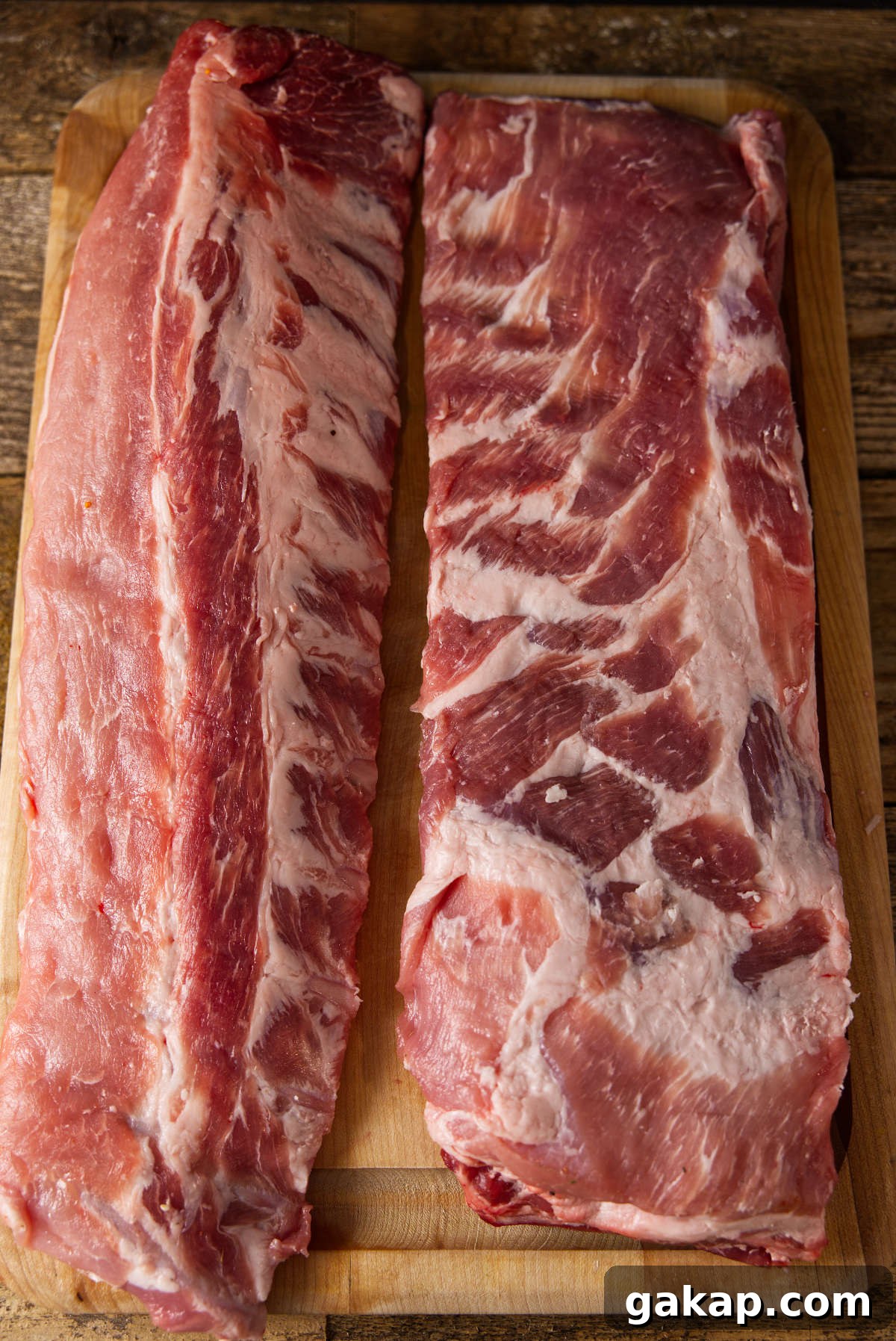
- Pork loin back ribs: Cut from the back near the spine, these ribs are curved and relatively lean. They tend to have more meat on top of the bone and a higher meat-to-bone ratio.
- St. Louis ribs: Trimmed from spare ribs taken from the belly area, St. Louis ribs are squared off by removing rib tips and excess cartilage. The result is a flatter, rectangular rack that cooks evenly and looks uniform.
Meatiness
- Pork loin back ribs: Tender and leaner with less fat and connective tissue, these ribs cook faster and deliver a slightly firmer bite while staying juicy when cooked correctly.
- St. Louis ribs: Meatier and richer due to greater fat content and marbling, they have more meat between the bones. Cooked low and slow, they become exceptionally tender and flavorful.
Fat Content
- Pork loin back ribs: Lower in fat and marbling, giving a cleaner, lighter pork flavor that takes on rubs and sauces well.
- St. Louis ribs: Higher fat and marbling produce a bolder, more indulgent flavor that pairs well with robust seasonings and helps keep the meat moist during long cooks.
🐖 What Are Pork Loin Back Ribs?
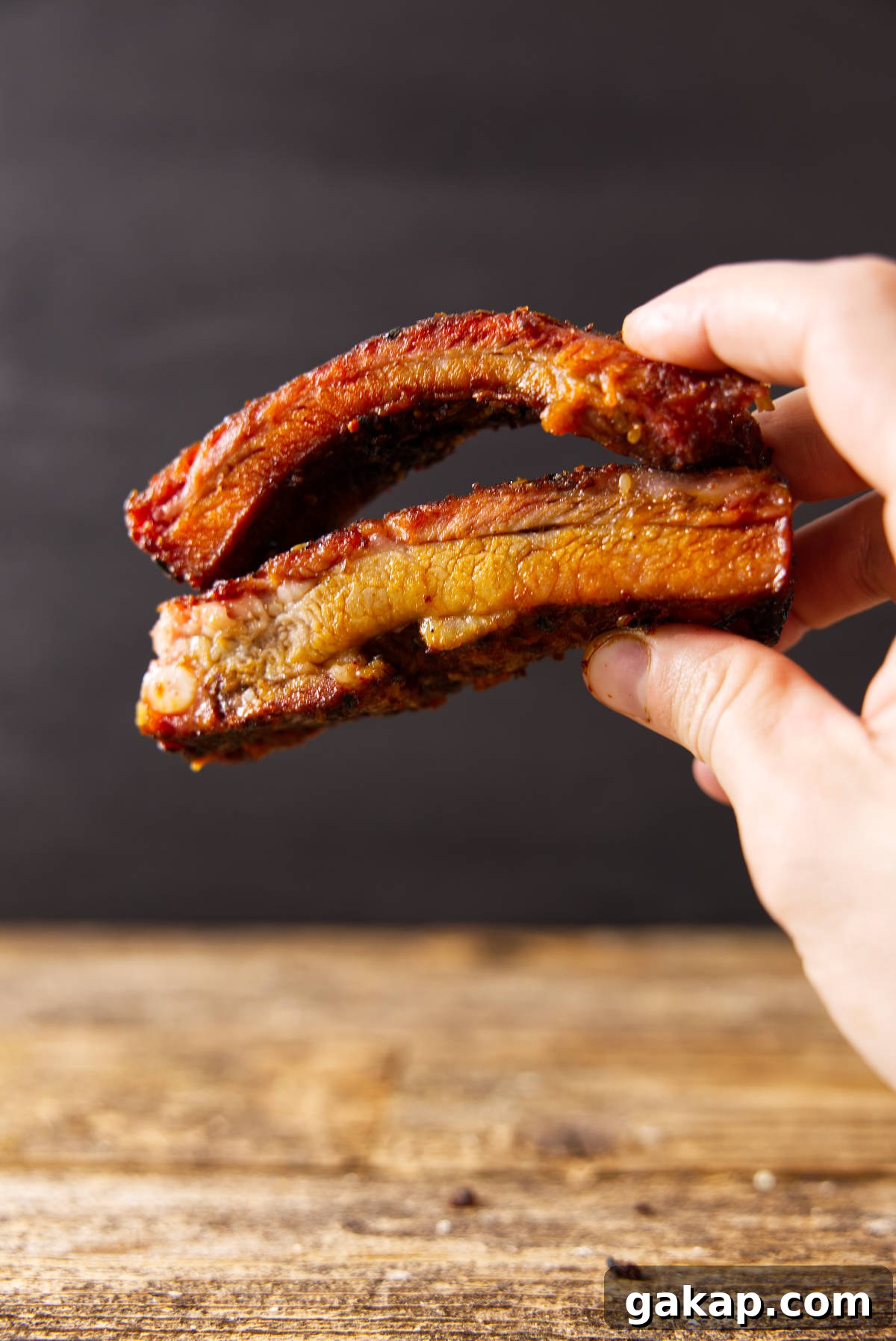
Pork loin back ribs, commonly called baby back ribs, are cut where the backbone meets the rib cage, next to the loin. They are valued for tenderness, a slightly higher bone-to-meat ratio, and a curved shape that follows the pig’s spine.
Baby back ribs are leaner than spare ribs and have more meat sitting on top of the bones rather than between them. Their mild, slightly sweet pork flavor absorbs marinades and rubs easily, making them versatile for smoking, grilling, or oven roasting.
These ribs cook more quickly than St. Louis–style ribs. For juicy, tender results, use a low-and-slow approach and adjust timing to achieve either a fall-off-the-bone finish or a firmer bite. Enhance their natural flavor with a dry rub, an overnight marinade, or a finishing glaze of your favorite BBQ sauce.
🐷 What Are St. Louis Style Ribs?
St. Louis–style ribs are a trimmed version of spare ribs taken from the belly area. The trimming removes rib tips and excess cartilage, producing a uniform, rectangular rack that cooks evenly and presents well.
These ribs offer a robust, pork-forward flavor thanks to higher fat and connective tissue. That extra fat renders during long cooks and adds juiciness and depth to the meat, making St. Louis ribs well suited to bold rubs, sauces, and extended smoking sessions.
Because of their fat content and shape, St. Louis ribs are a favorite for competitions and for cooks who prefer a meatier, more indulgent bite. They respond well to low-and-slow techniques and can hold up to strong flavors without drying out.
😉 Tips for Awesome Ribs!
- Preparation is key: Remove the membrane and trim excess fat so seasonings penetrate and the ribs become more tender.
- Low and slow: Cook at around 225°F for tender results. Popular methods like 3-2-1 or 2-2-1 can be adjusted to suit your texture preference.
- Use a flavorful rub: Apply a dry rub to build a crust and enhance flavor. Try different spice blends to find what you like best.
- Marinate overnight: Marinating or letting the rub rest overnight improves flavor and juiciness.
- Wrap or spritz: Wrapping in foil partway through the cook or periodically spritzing with apple juice or cider vinegar helps retain moisture and tenderness.
CONNECT WITH A LICENSE TO GRILL!
Follow us on social media to see more recipes, techniques, and rib inspiration.
Did you cook these ribs? Share your results in the comments below!