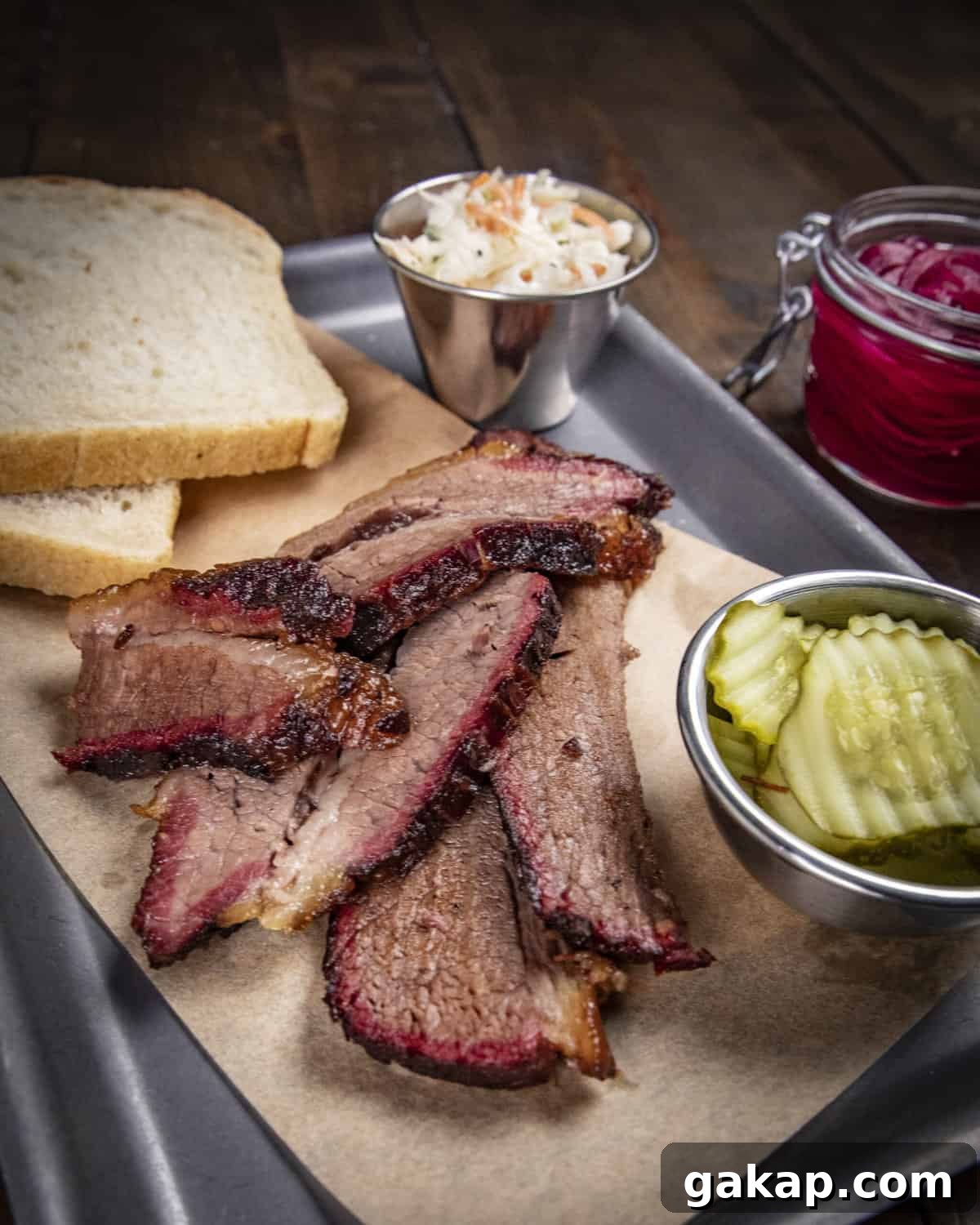
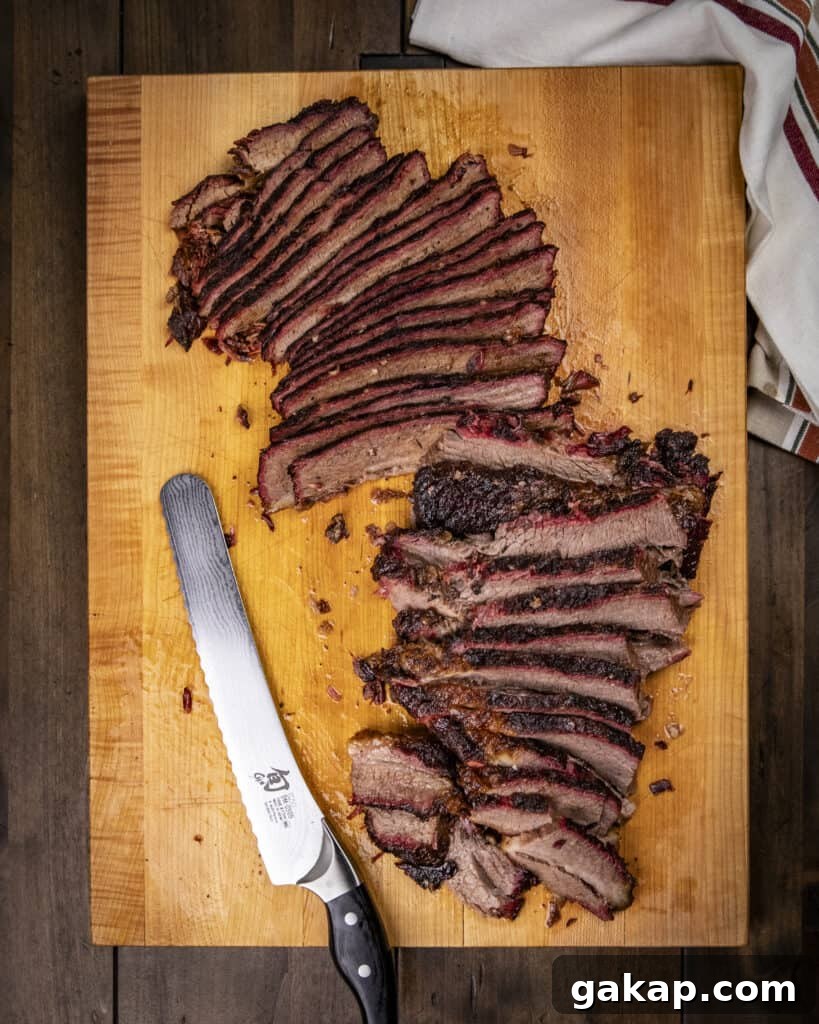
There was a time when brisket sold for under a dollar a pound — hard to believe now. As a barbecue enthusiast who loves brisket, I’m always on the lookout for good value. Brisket prices fluctuate based on several factors, so knowing what to consider before you buy will help you get the best results for your budget and cooking plans.
Before your next purchase, think about beef quality, the cut you need, how many people you’re feeding, and how you plan to cook it. This article explains brisket pricing and offers guidance for choosing the right piece for your needs.
Understanding the Whole Brisket.
A whole packer brisket contains both the flat and point muscles and is ideal if you want a larger, more flavorful piece that benefits from a long, slow cook. Buying the whole packer gives you more versatility and yield compared to purchasing only the flat or the point.
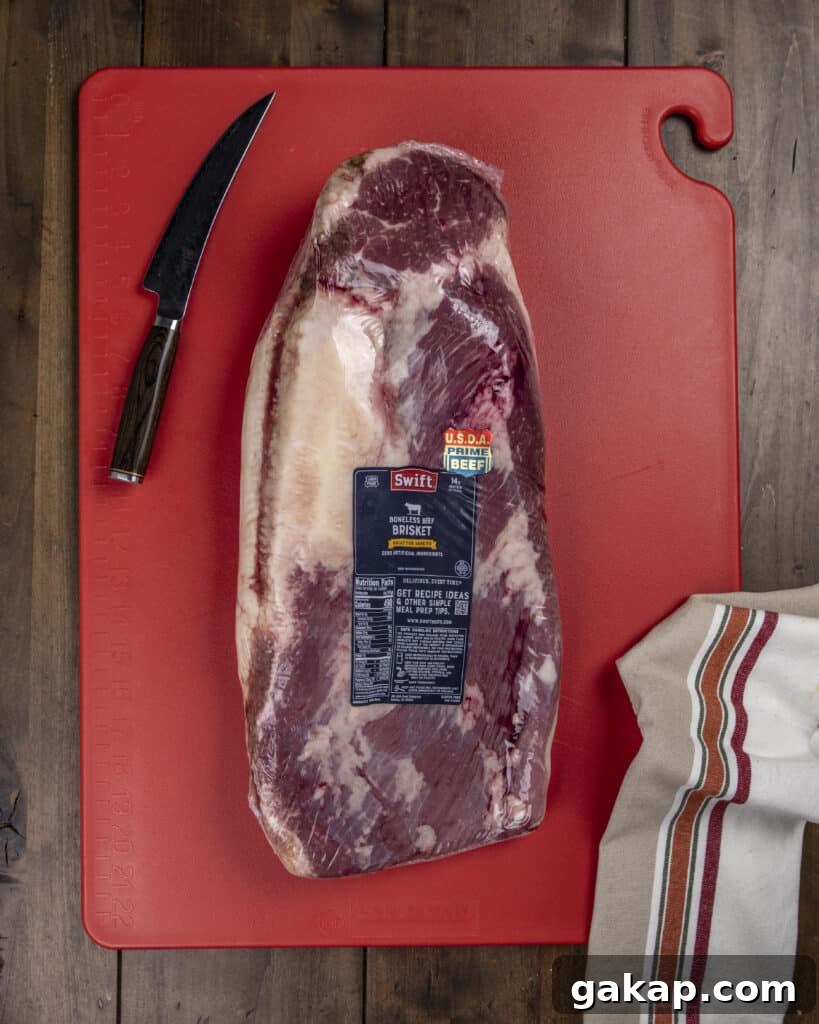
Reputable sources like wholesale clubs and specialty meat suppliers can provide quality whole briskets. If you prefer one muscle over the other, many retailers also sell the flat and point separately.
Where can you buy a brisket?
Most grocery stores carry brisket, and if you don’t see it on display, ask the butcher. Specialty meat markets often offer higher-grade or unique options, while wholesale clubs such as Costco and Sam’s Club can provide competitive pricing and larger selections.
Online retailers deliver fresh or frozen brisket to your door and are useful if you need a specific cut or specialty product. Local farms and ranches are another option for high-quality, locally raised beef.
What influences the price of brisket?
Several factors affect brisket pricing. These vary by region and market conditions, but the main drivers are:
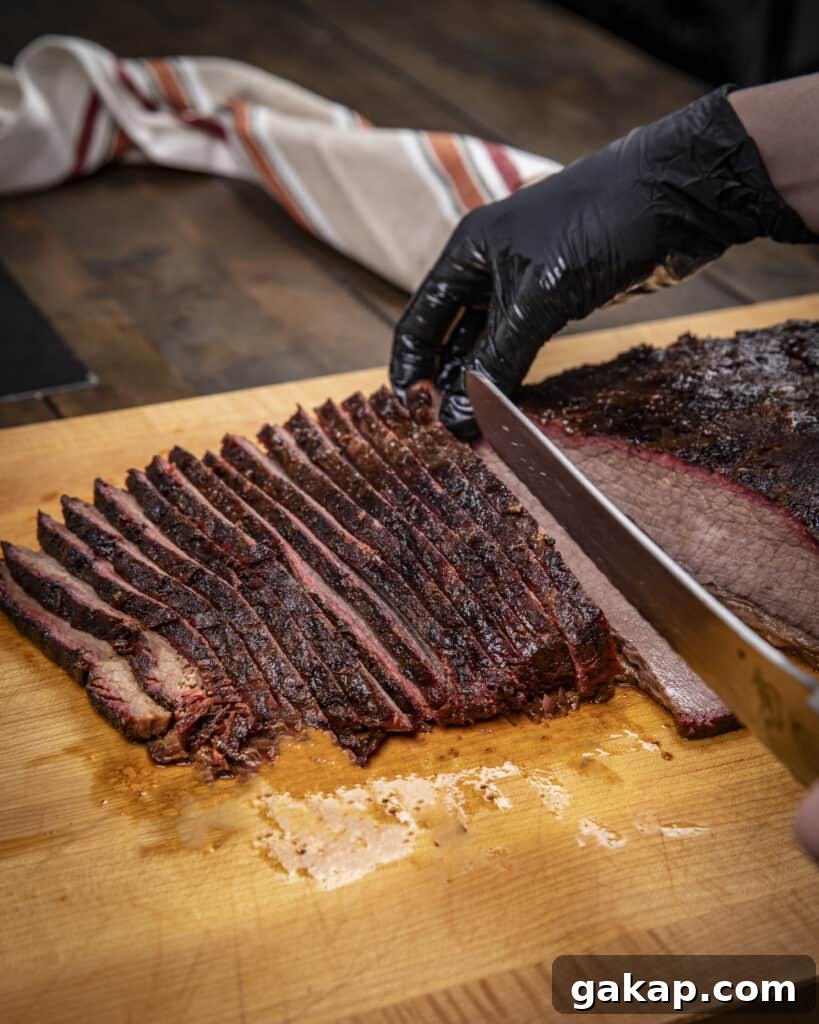
- Quality and Grade: Higher grades like USDA Prime command higher prices due to better marbling and tenderness.
- Cut and Trim Level: A whole, untrimmed brisket typically costs less than a trimmed or pre-packaged piece.
- Supply and Demand: Prices rise when demand outpaces supply and fall when supply is plentiful.
- Seasonal Factors: Prices can increase around grilling holidays when demand spikes.
- Geographic Location: Transportation, local demand, and cost of living all influence regional prices.
- Processing and Packaging: Additional processing, special packaging, or portioning increases the final cost.
- Specialty or Organic Options: Organic, grass-fed, or specialty-breed briskets are pricier because of higher production costs.
Is brisket cheap compared to other cuts of beef?
Despite its rising popularity, whole brisket is still generally one of the more affordable beef cuts by weight. Choice-grade whole packers commonly range around $3–$6 per pound, though prices vary with location and market trends.
Prime and wagyu briskets cost more. Watch for sales, as prime can sometimes be only slightly higher than choice, making it a worthwhile upgrade for better eating quality.
To stretch your dollar, use trimmings to render beef tallow for cooking — it’s a flavorful, cost-effective way to utilize every part of the cut.
Selecting the right grade of beef brisket
Grade impacts price, tenderness, and flavor. Choice is a solid option for everyday cooks; Prime offers more marbling and a more forgiving cook. For a special occasion, American Wagyu delivers an exceptional eating experience but at a premium price.
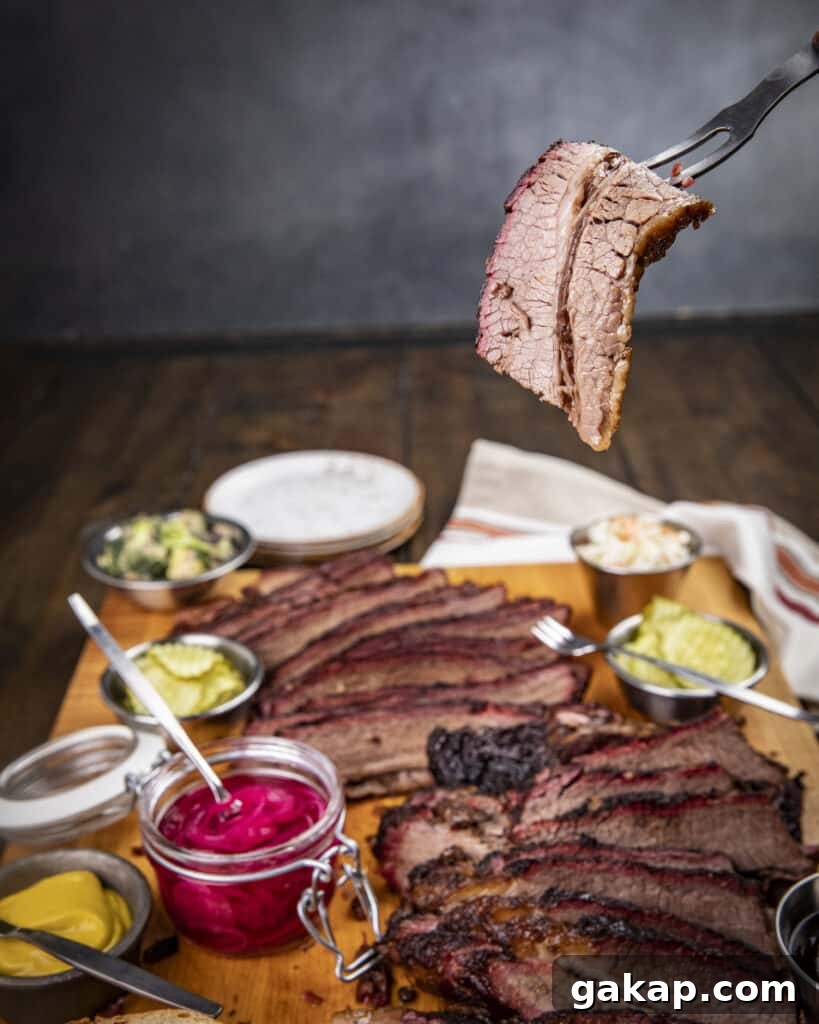
When your budget allows, choose Prime for a noticeable improvement in tenderness and flavor. Wagyu is the premium choice if you want an exceptional, melt-in-your-mouth result.
How many people will a brisket feed?
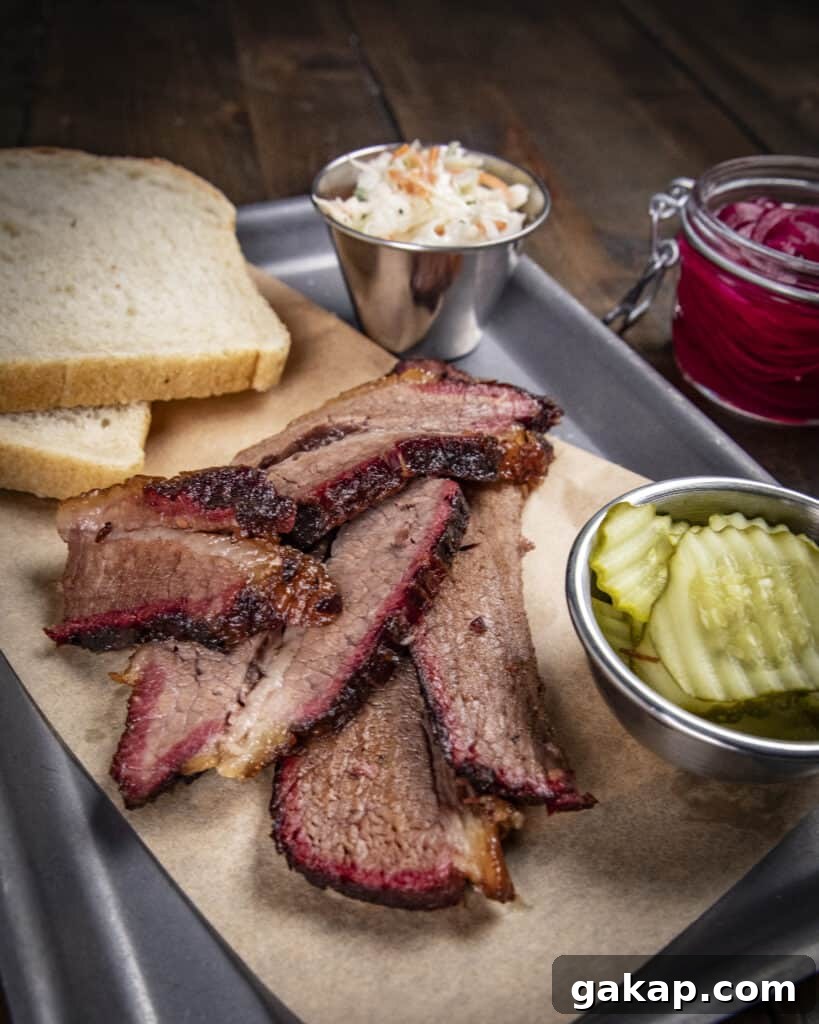
Yield depends on portion sizes, appetites, and whether brisket is the main protein. A common guideline is:
- Estimate: Plan for about ½ to ¾ pound of cooked brisket per person when it’s the main protein.
- Calculation: A 10-pound raw brisket typically feeds approximately 13 to 20 people after cooking and trimming, depending on serving size.
- Context: If the brisket is part of a larger spread with sides and other proteins, it will stretch further.
- Leftovers: Consider whether you want leftovers for sandwiches or future meals when deciding how much to buy.
- Guest Mix: Adjust quantities for children or heavier eaters among your guests.
How long does it take to cook a brisket?
When smoking, a practical rule is about one hour per pound at 225–250°F, though times vary with smoker efficiency, brisket size, and how often you open the lid. The long, slow cook is essential for breaking down connective tissue to achieve tender, juicy results.
Patience pays: low and slow cooking yields the best texture and flavor for brisket.
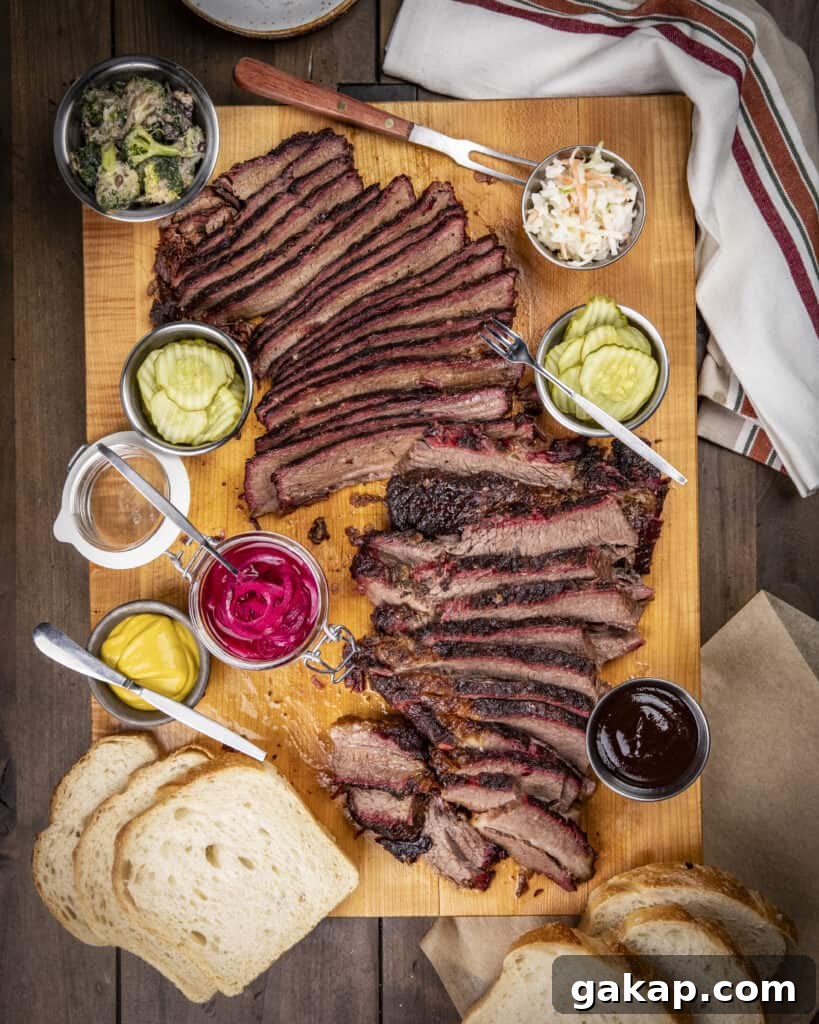
If you’re new to large briskets, follow a step-by-step smoking guide that covers trimming, seasoning, wrapping, resting, and slicing to ensure consistent results.
Conclusion.
Brisket pricing reflects grade, cut, market conditions, and where you buy it. Check local retailers and suppliers for current prices in your area, consider your cooking plans and guest count, and choose the grade and cut that best match your goals and budget. With the right selection and patience during cooking, brisket delivers excellent value and memorable meals.