Many of the recipes I learned from Mama are regionally authentic, but this one for “pitakia” is purely a family tradition. Mama learned it from her mother, and it likely goes back even further. It’s not a formal recipe so much as a frugal technique for using the flour left behind after making Greek meatballs (keftedes).
After you roll the meatballs in flour, you can’t save that flour for other uses because it will be dotted with tiny bits of meat. It feels wasteful to throw it away, not to mention a shame to lose those flavorful crumbs. Here’s what Mama does: sprinkle the used flour with salt, then add liquid to make a sticky paste. If you just made summer meatballs and there’s flavorful liquid drained from the mixture, use that instead of plain water for extra taste.
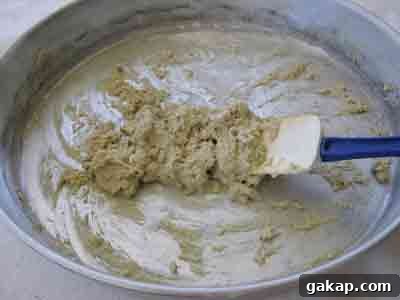
Make small patties from the flour paste. The mixture should be wet and sticky — if it’s too dry the pitakia will become tough. Add enough liquid so the paste is tacky and slightly difficult to handle. Oiling your hands makes forming the patties easier. Don’t worry about making them neat; rustic, rough shapes are fine. Slide the patties into the hot oil left in the pan where you cooked the meatballs (leave the heat on under the pan).
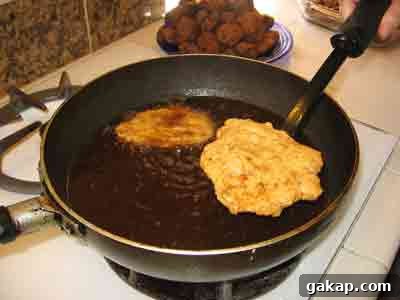
Fry the pitakia until the underside is golden, then flip and cook the other side until it, too, is golden and crisp at the edges. Serve them hot alongside the meatballs so you can enjoy both together.
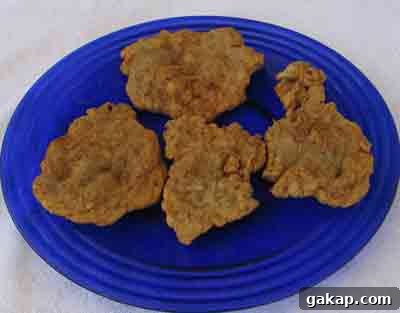
When I mentioned in my fry bread (ladopsomo) post that I’d had fried flour-and-water paste that tasted wonderful, this is exactly what I was referring to—simple, thrifty, and delicious.