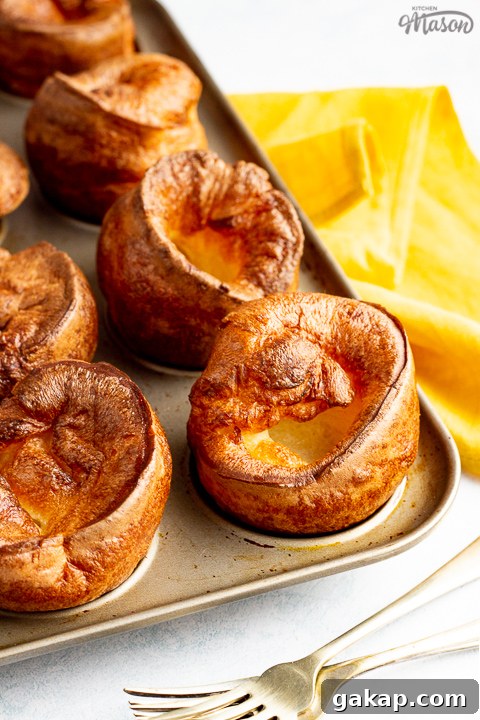
Are your Yorkshire puddings turning out small, failing to rise, or collapsing after you take them from the oven? With a few straightforward techniques you can consistently make impressive, well-risen Yorkshire puddings. This guide shares practical tips, timings and a simple recipe so you can enjoy reliable results every time.

Yorkshire puddings are a classic accompaniment to a Sunday roast, sitting alongside crispy roast potatoes, honey roast vegetables and pigs in blankets. They can be tricky to get right at home because several factors affect the result: batter resting time, oven temperature, oil choice and cooking time. Follow the straightforward method below and focus on the key tips to ensure tall, crisp, non-deflating puddings.
This recipe is simple and reliable when you follow a few key rules. Read the tips section before you start for best results.
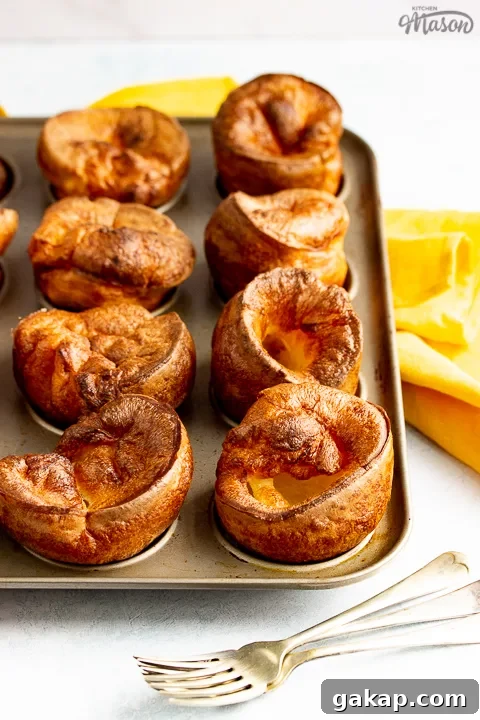
What’s the best oil to use for Yorkshire Puddings?
Choose an oil with a high smoke point so it can get very hot without smoking. Rice bran oil works well because it tolerates high heat. Avoid oils with low smoke points, like many olive oils, as they can smoke or burn during preheating and affect the pudding’s rise and flavour.
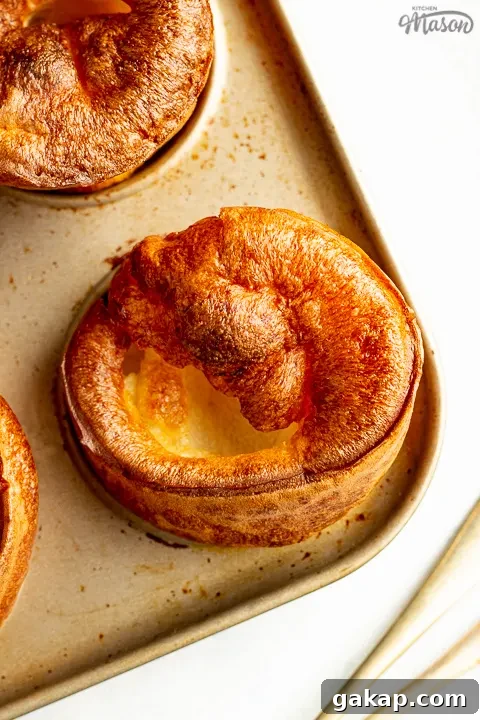
Can you reheat homemade Yorkshire Puddings?
Yes. To avoid cooking everything at a very high temperature on the day, bake the puddings earlier and reheat them for 4–5 minutes to crisp up just before serving. This approach prevents burning the rest of the meal and lets you prepare other elements of the roast with less pressure.

Can you freeze homemade Yorkshire Puddings?
Yes. Cool the puddings completely, pack them well to avoid freezer burn and use within one month. Reheat from frozen to crisp them up before serving.
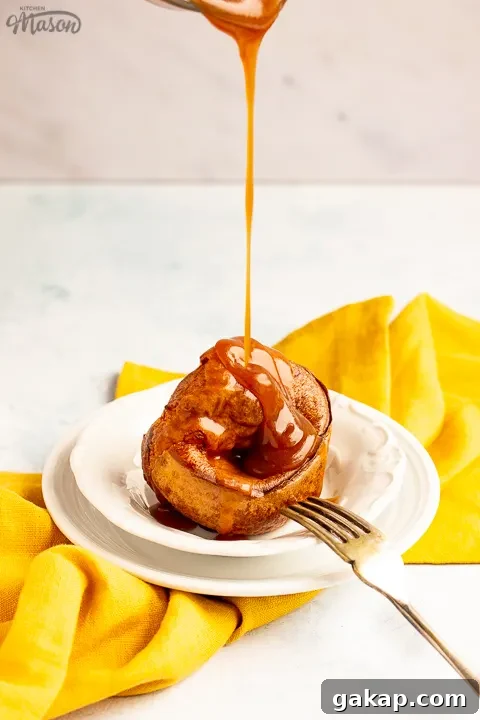
What is the secret to making Yorkshire puddings rise?
The rise depends mainly on proper resting of the batter and very high, consistent heat. Resting the batter at room temperature for at least 1–2 hours—ideally 2–4 hours—improves the rise noticeably. Preheat the oil in the tin until very hot before adding the batter and bake in a hot oven. These steps together produce the best lift.

How do you stop Yorkshire puddings deflating/getting soft?
Three things prevent deflation and sogginess: bake on the top shelf where the oven is hottest, preheat the oil until it is extremely hot so it sizzles when the batter is added, and bake until the puddings turn a deep brown. Avoid under-baking to pale golden—darker, crispier puddings are sturdier and hold their shape better.

How long should you let Yorkshire pudding batter rest for?
Resting is essential. Trials show a clear improvement in rise when batter rests longer. Rest at room temperature for a minimum of 1 hour, but aim for 2 hours. If you can leave it 4 hours, the puddings will rise even better. If you rest the batter overnight in the fridge, bring it back to room temperature and stir before using.
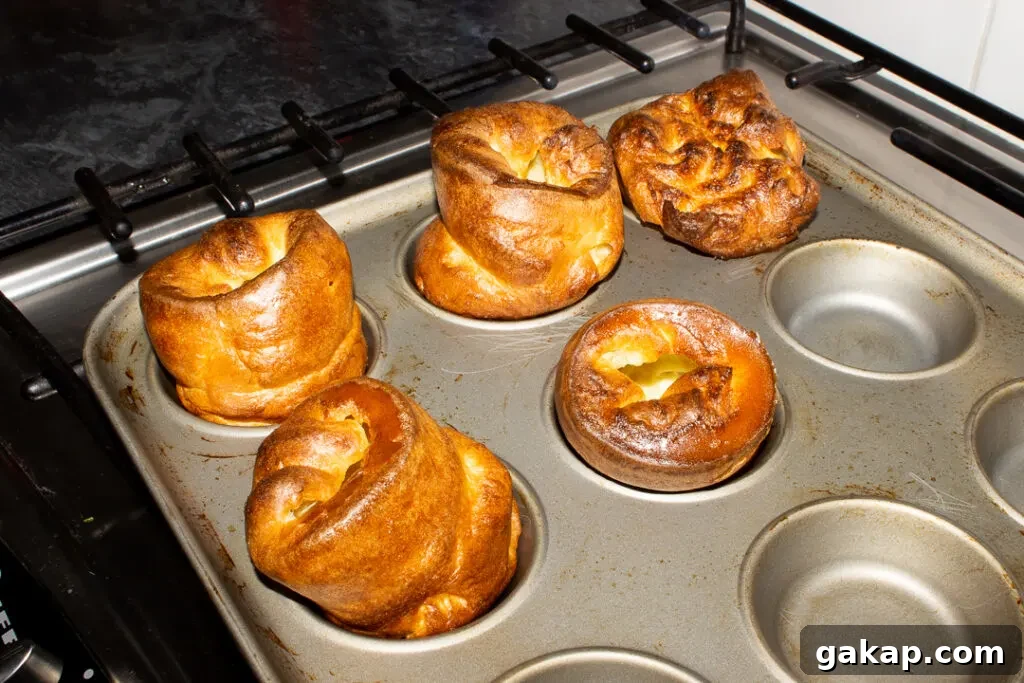
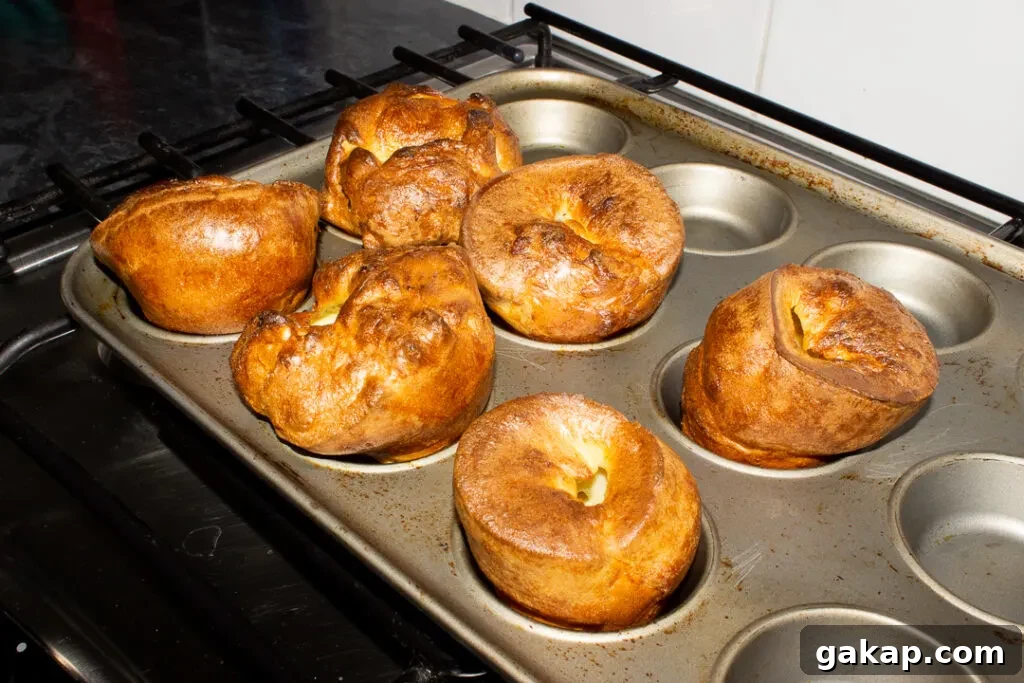
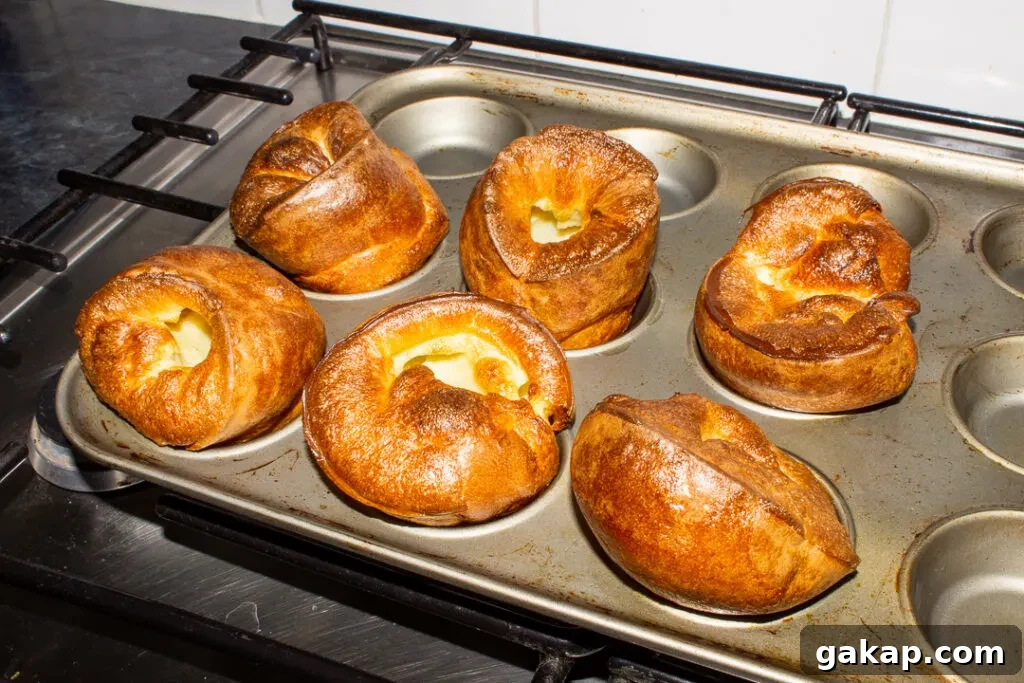
From left to right in the comparison images: 1 hour, 2 hours and 4 hours of resting—the difference is clear. Aim for at least 2 hours for a reliably good rise.
Ingredients and substitutions
Basic ingredients and simple substitutions:
- Egg – any standard egg will work; medium-sized is ideal.
- Milk – semi-skimmed produces a good texture; dairy-free milks can be used but will alter flavour slightly.
- Water – cold tap water is fine.
- Flour – use plain/all-purpose flour only, not self-raising.
- Salt – regular table salt is fine for seasoning.

Easy Yorkshire pudding recipe tips
Read these important tips before baking:
- Whisk the batter until completely smooth—no lumps.
- Rest the batter at room temperature for at least 1–2 hours; 4 hours is even better.
- Use a high smoke point oil so it can get very hot without smoking.
- Bake the puddings ahead of serving and reheat for 4–5 minutes to crisp them up.
- Freeze leftovers well packed and reheat from frozen when needed.
- Bake on the oven’s top shelf where it is hottest.
- Ensure the oil is extremely hot—batter should sizzle when it hits the oil.
- Avoid opening the oven during baking; if necessary, do it quickly.
- Bake until a deep brown rather than pale golden to ensure sturdiness and prevent deflation.
Time management
Practical timing notes to make the process manageable:
- Preparation of the batter takes under 5 minutes.
- Rest the batter for a minimum of 1 hour; 2–4 hours is better.
- If refrigerated overnight, bring batter back to room temperature and whisk smooth before use.
- Allow about 20 minutes for oven and oil preheat.
- Baking takes 15–20 minutes.
- Cooked puddings freeze well for up to 1 month; reheat from frozen for about 5 minutes.
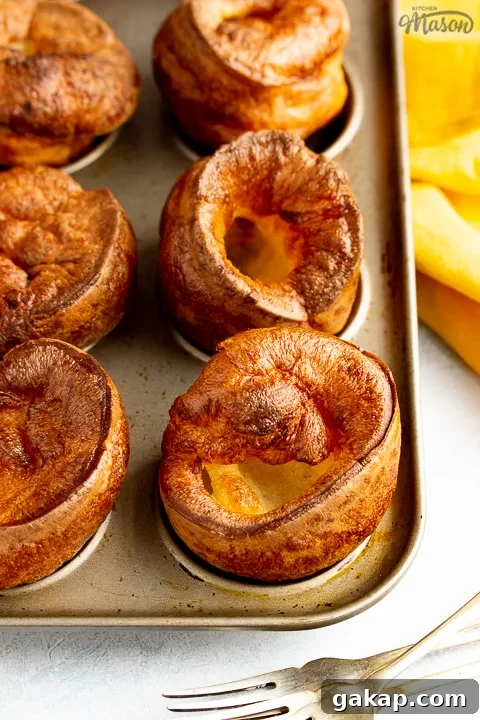
Easy Yorkshire Pudding Recipe – Step by Step Picture Recipe
Printer friendly: see the recipe card below for measurements and timings.
Ingredients
Makes 5–6 small puddings (or 2–3 large):
- 1 egg, beaten
- 60ml (4 tbsp) milk
- 60ml (4 tbsp) water
- 32g (4 tbsp) plain/all-purpose flour
- 1/4 tsp salt
- Oil for cooking
Essential equipment
- Measuring jug
- Fork or whisk
- Yorkshire pudding tin
Batter instructions
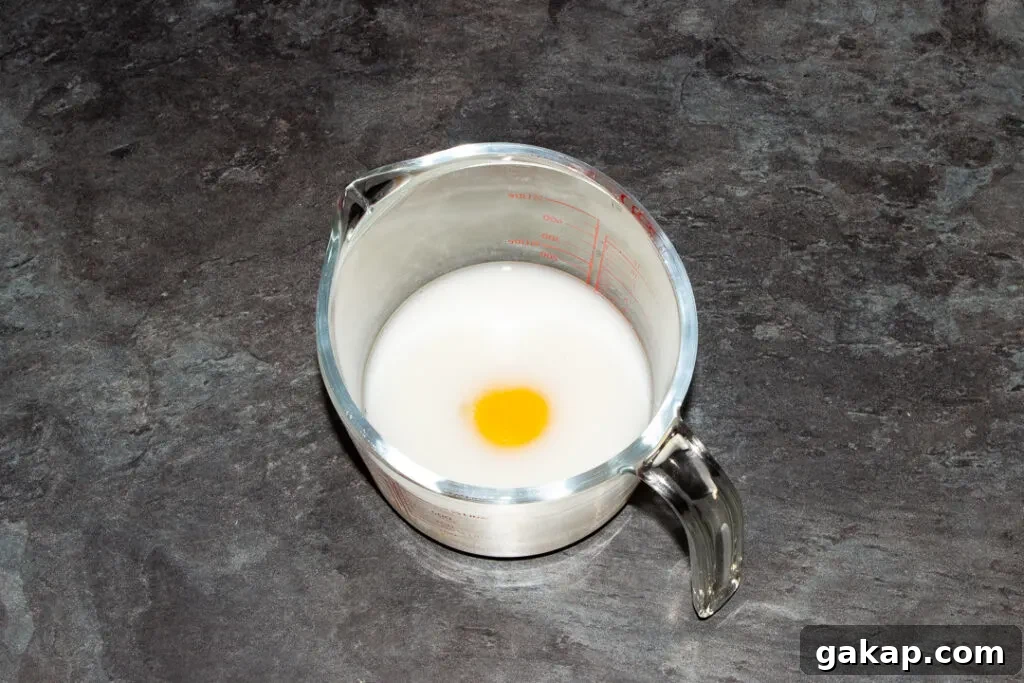
Beat the egg, milk and water together in a jug until well combined. Add the flour and salt and beat until smooth and lump-free. Cover and rest at room temperature for a minimum of 1 hour, ideally 2–4 hours.
Baking instructions
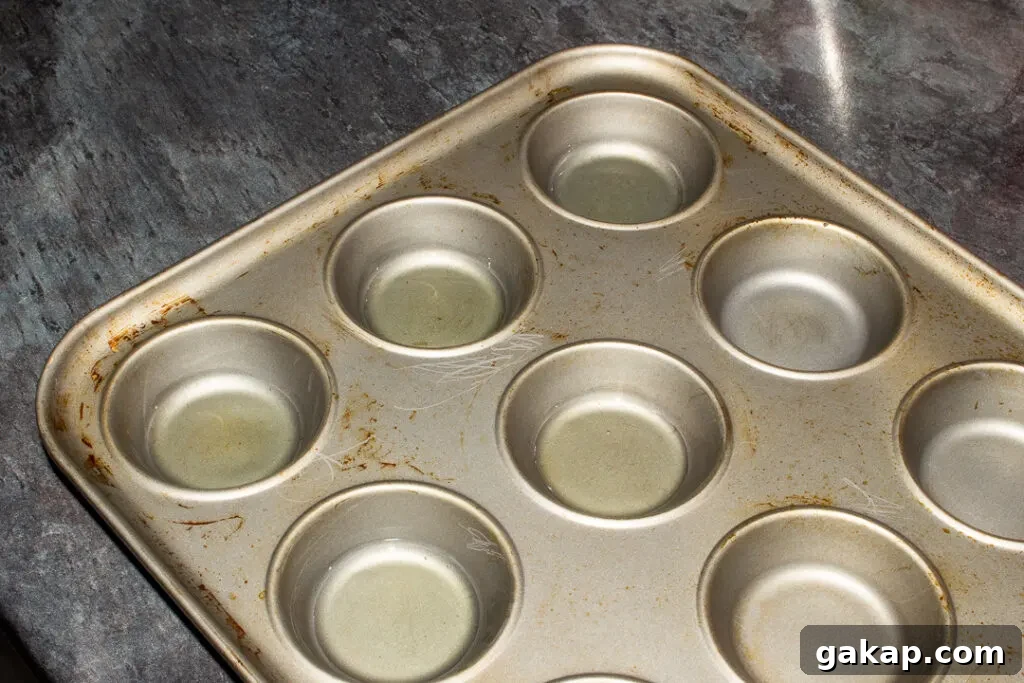
When about 20 minutes remain on the resting time, pour about 1 tsp of oil into each hole of the tin and place it on the top shelf. Preheat the oven to 230ºC (Fan 220ºC / 446ºF). Wait until the oven and oil are fully hot.
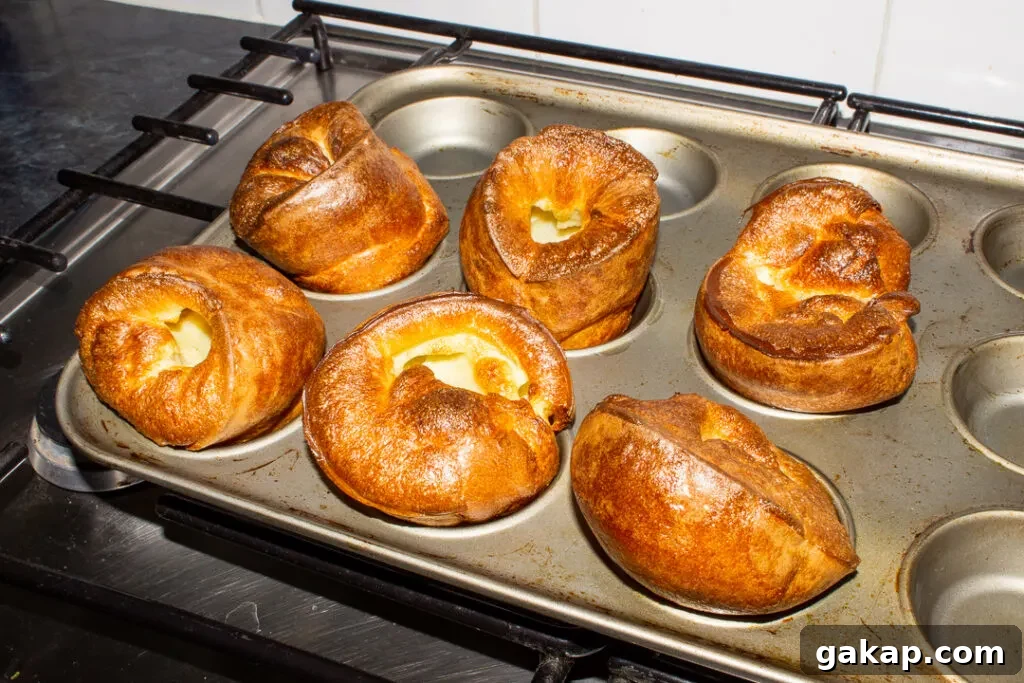
Quickly remove the tin, pour the batter into each well (the oil should sizzle), return the tin to the oven and bake for 15–20 minutes until deep brown and crisp. Do not open the oven during baking unless absolutely necessary.
Serve immediately or reheat for 4–5 minutes just before serving to refresh and crisp them.
How to store homemade Yorkshire puddings
Cool completely and freeze in an airtight container or bag for up to one month. Reheat from frozen when needed for convenience and reduced stress on the day.
Loved this easy Yorkshire pudding recipe? Pin it!


No Fail Easy Yorkshire Pudding Recipe
This no-fail Yorkshire pudding recipe, paired with the tips in this post, gives consistently great results. Follow the steps and you’ll avoid deflated or soggy puddings.
Ingredients
- 1 Egg, beaten
- 60ml (4 tbsp) Milk
- 60ml (4 tbsp) Water
- 32g (4 tbsp) Plain/All Purpose Flour
- 1/4 tsp Salt
- Oil for Cooking
Essential Equipment
- Jug
- Fork/Whisk
- Yorkshire Pudding Tin
Instructions
- Beat the egg, milk and water in a jug until combined.
- Add the flour and salt and beat until smooth. Cover and rest at room temperature for 1–4 hours.
- With 20 minutes remaining, pour about 1 tsp oil into each hole of the tin and place on the top shelf. Preheat to 230ºC / Fan 220ºC.
- When the oil is hot, pour the batter into the holes (it should sizzle) and return the tin to the oven.
- Bake for 15–20 minutes until deep brown and crisp. Avoid opening the oven while baking.
- Serve immediately, or reheat for 4–5 minutes before serving to refresh.
Notes
For additional FAQs and tips, review the main article text. Remember the importance of resting the batter and using very hot oil to guarantee a great rise.
Tips
- Whisk until smooth—no lumps.
- Rest the batter before baking for best results.
- Use a high smoke point oil so it can heat very hot.
- Bake ahead and reheat to crisp just before serving if needed.
- Bake on the top shelf and don’t open the door while cooking.
- Cook to a deeper brown to reduce the chance of deflation.
Nutrition Information:
Yield: 6
Serving Size: 1
Amount Per Serving:
Calories: 37
Total Fat: 1g
Carbohydrates: 5g
Protein: 2g
Nutritional information is intended as a guideline only.
I want to see YOUR cooking!
If you try this Yorkshire pudding recipe I’d love to see photos—share on social media or email your pictures to the recipe author. Tag or mention the source to help others find the recipe.
Other tasty Sunday Roast sides
- Buttered cabbage with fennel seeds
- Crispy coated roast potatoes