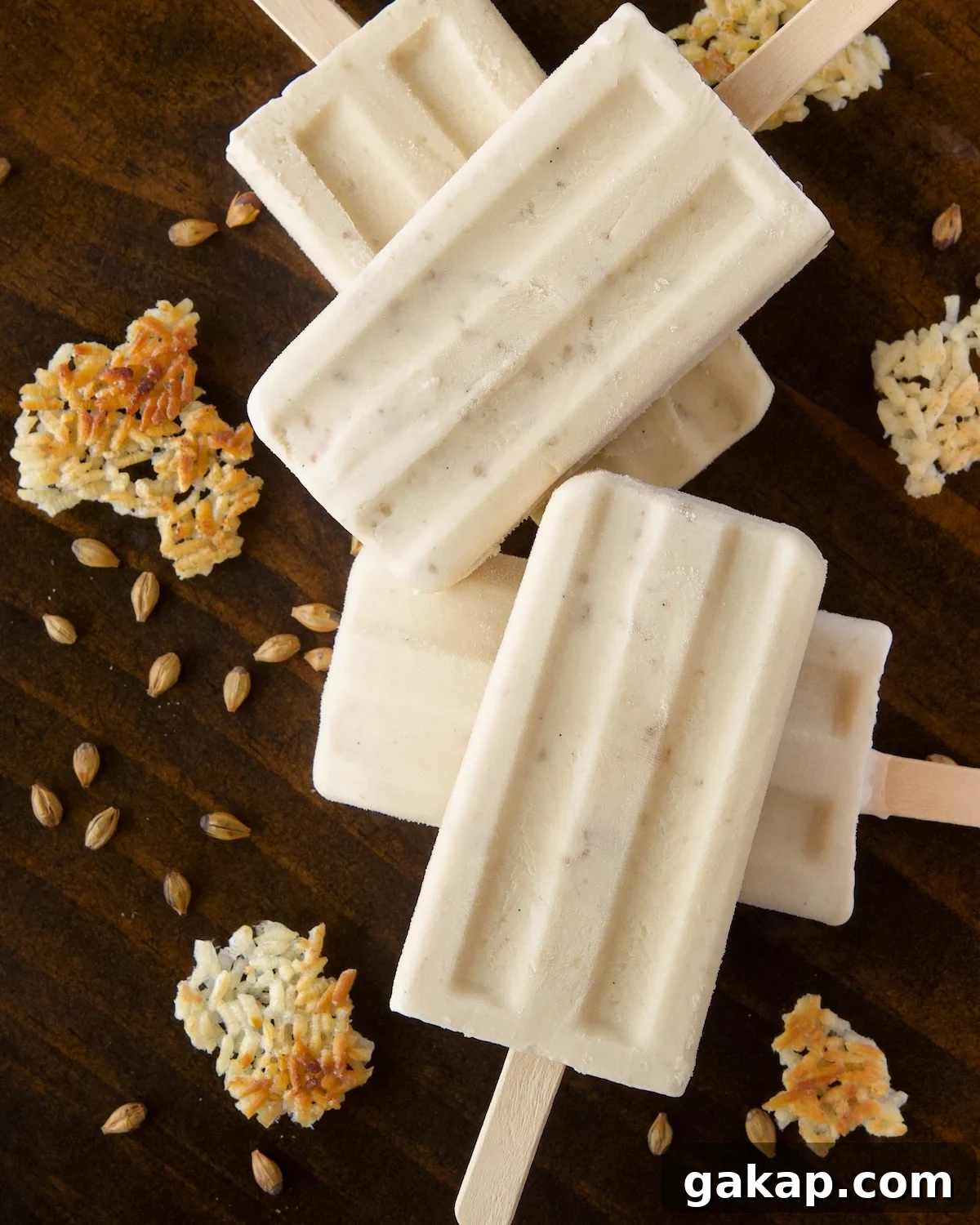
These creamy Nurungji Paletas blend the comforting flavors from my childhood. Combining the deeply roasted, nutty notes of boricha (barley tea) with crunchy, toasted rice nurungji, these frozen treats are sweet, silky, and perfect for summer.
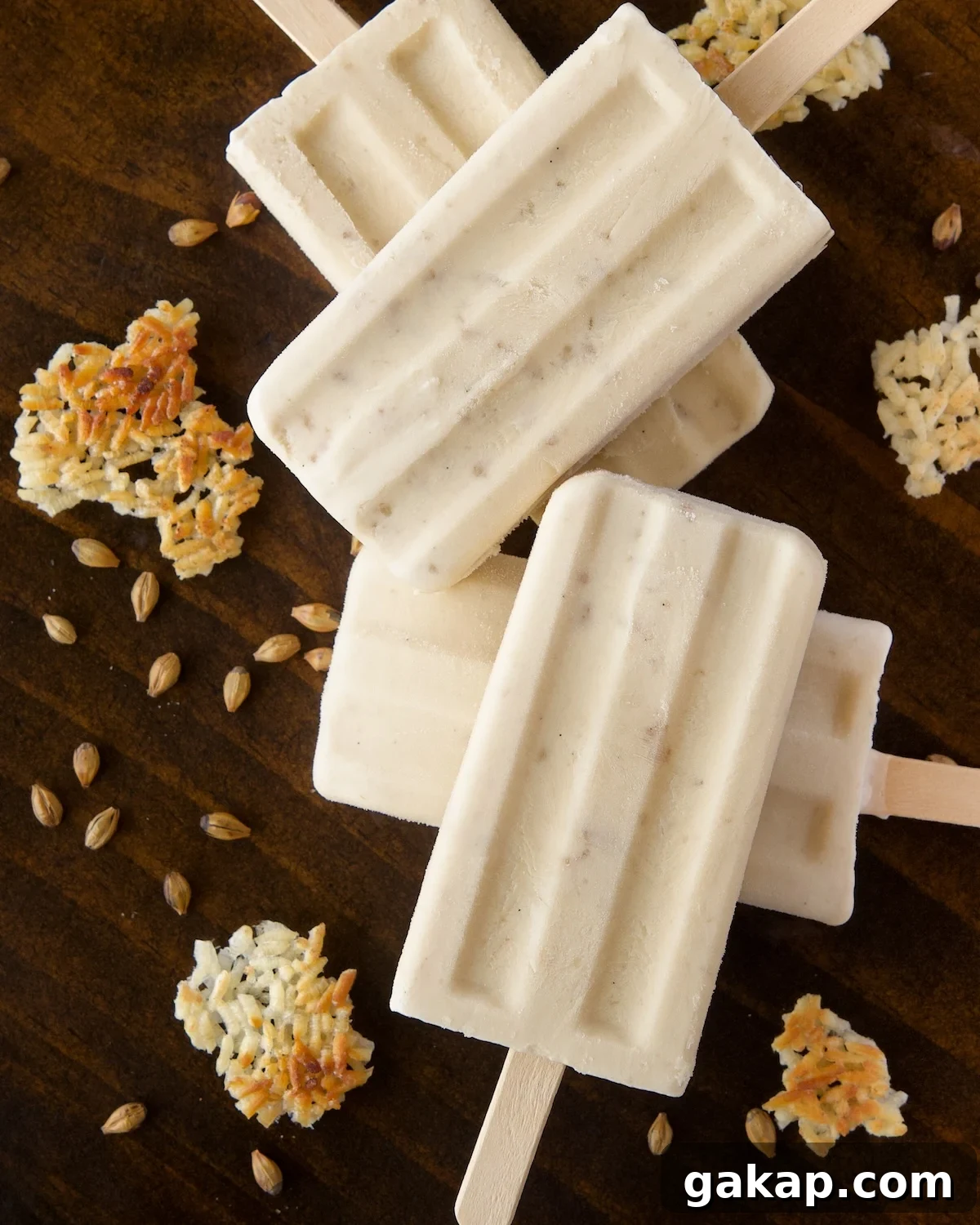
If you’ve followed my recipes for a while, you probably know two things: I love nurungji (toasted rice), and I create new paleta flavors every summer. Last year I adapted a rice pudding paleta idea into a Korean-inspired version using nurungji. One of my favorite ways to enjoy nurungji is with ice-cold boricha and savory sides; for these paletas, I chose to keep the focus on the comforting milk-tea-like flavors instead.
I decided to make a cream-based paleta with a boricha and brown sugar base to capture a milk-tea vibe, while the toasted rice bits provide a chewy, almost “boba-like” texture. The result is rich, toasty, and refreshingly balanced.
Why You’ll Love This Recipe
- Deeply Roasted, Nutty Flavor: Strong-brewed barley tea combined with caramelized brown sugar and cream creates a layered, nutty profile similar to brown sugar milk tea.
- Mochi-Like Texture: Starches from short-grain rice give the creamy base a pleasant, slightly chewy body that sets these paletas apart from ordinary popsicles.
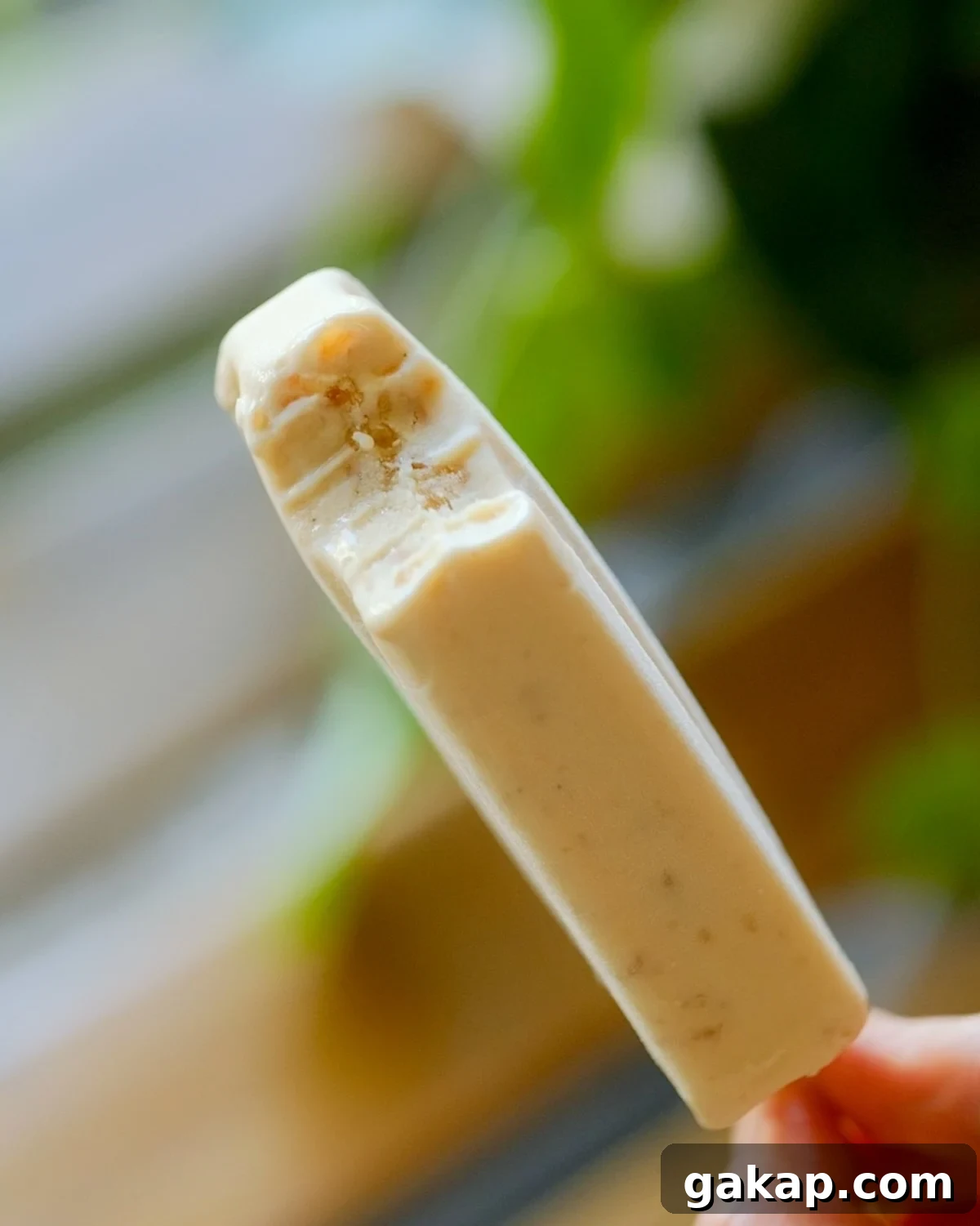
- Chewy Toasted Rice Bits: Nurungji stays chewy when frozen and adds a toasty, familiar flavor and satisfying texture in every bite.
What Are Paletas?
Paletas are traditional Mexican popsicles made with fresh ingredients like fruit, cream, milk, or spices. Unlike mass-produced popsicles, paletas are celebrated for using real components—chunks of fruit, swirls of caramel, and authentic flavors for a more natural, satisfying treat.
Two main types:
- Paletas de agua: Fruit-based and made with water or juice; light and refreshing—ideal for hot days.
- Paletas de crema: Cream-based, richer, and made with milk, cream, or sweetened condensed milk. These can be fruit-forward or more inventive, like toasted rice or corn-based paletas.
Paletas are commonly found at paleterías (popsicle shops), paletero carts, and kitchens across Mexico. They’re nostalgic, customizable, and built from real ingredients—no artificial flavoring needed.
Ingredients You’ll Need
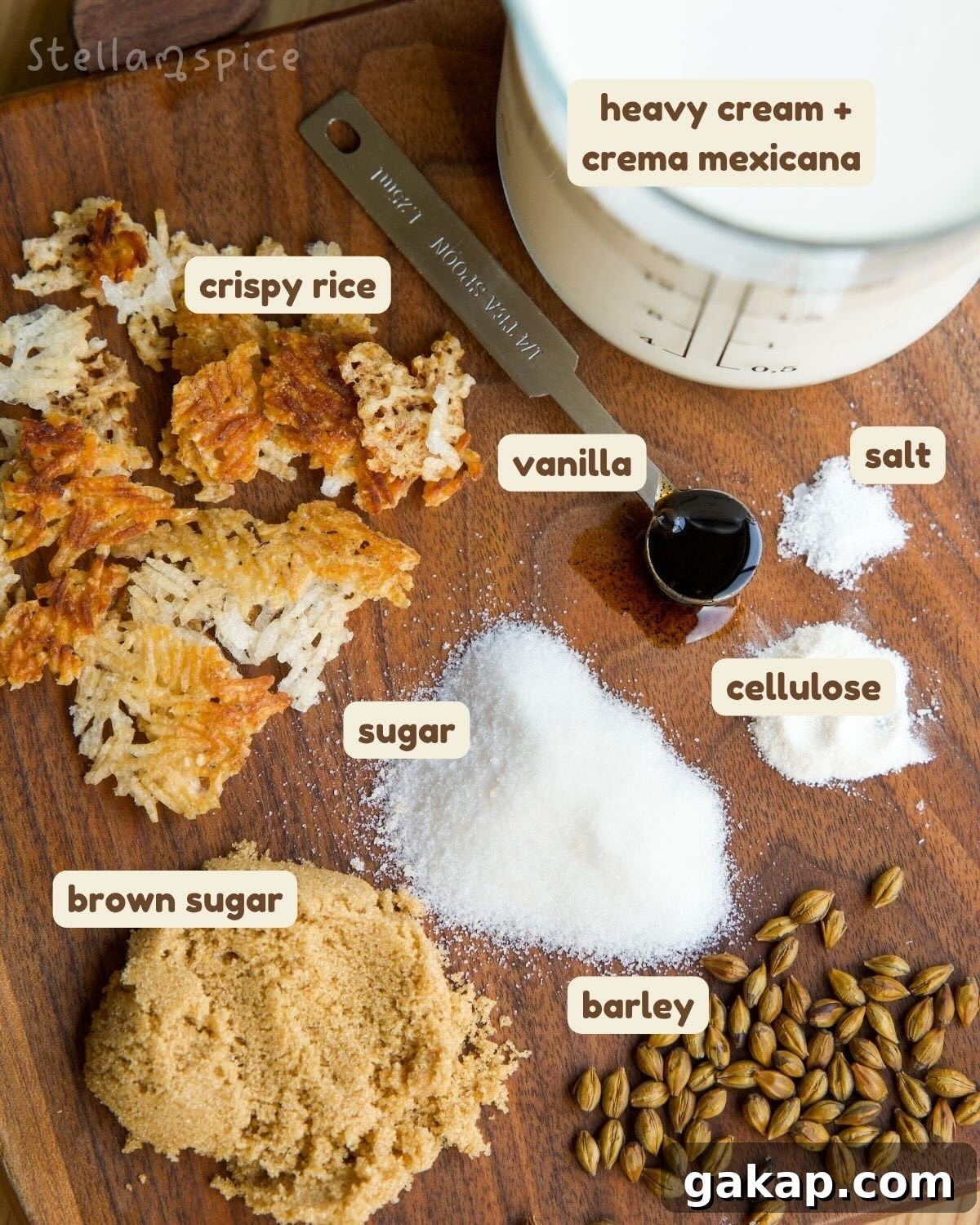
- Short-Grain Rice: Essential for making nurungji. Its high starch content gives the rice bits a soft-cewy texture when frozen.
- Boricha (Barley Tea): Brewed strong to add roasted, nutty depth that contrasts the dairy richness.
- Crema Mexicana: A pourable, slightly cultured Mexican crema that adds body and a subtle tang. If unavailable, suitable substitutes are listed in the recipe notes.
- Heavy Cream: Adds fat for a smooth, premium mouthfeel.
- Brown Sugar & White Sugar: The brown sugar brings caramel notes while the white sugar helps balance freezing properties.
- Cellulose Powder (optional): A small amount helps prevent ice crystals and keeps texture silky. Optional but recommended for longer storage.
- Vanilla & Salt: A touch of vanilla and a pinch of salt brighten and round the flavors.
Step-by-Step Instructions
Below is an overview of the process. Follow the detailed recipe card for exact measurements and tips.
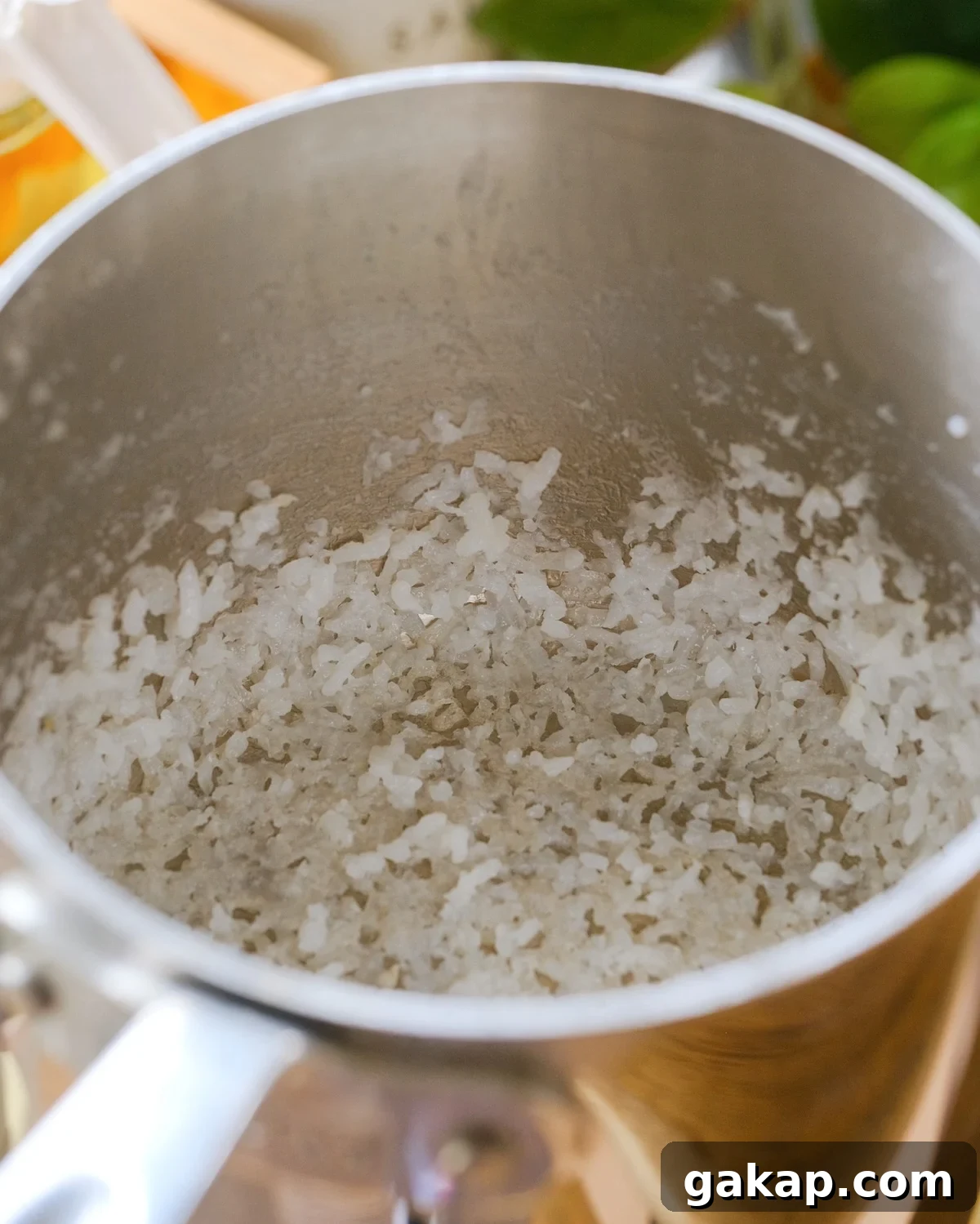
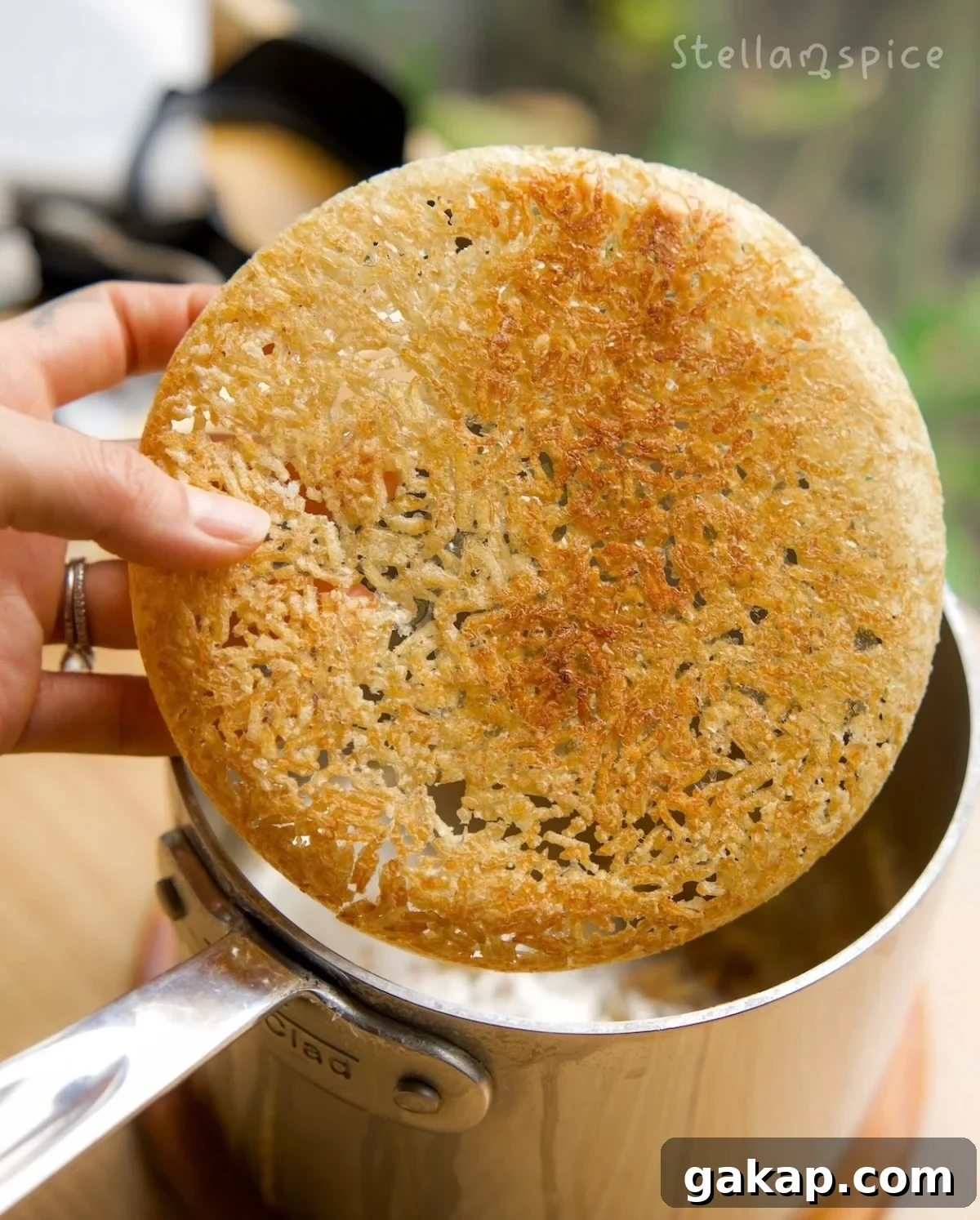
- Cook short-grain steamed rice. After scooping the rice out, leave a thin, even layer pressed to the bottom of the pan and toast it over medium-low heat for 10–15 minutes until golden and crisp.
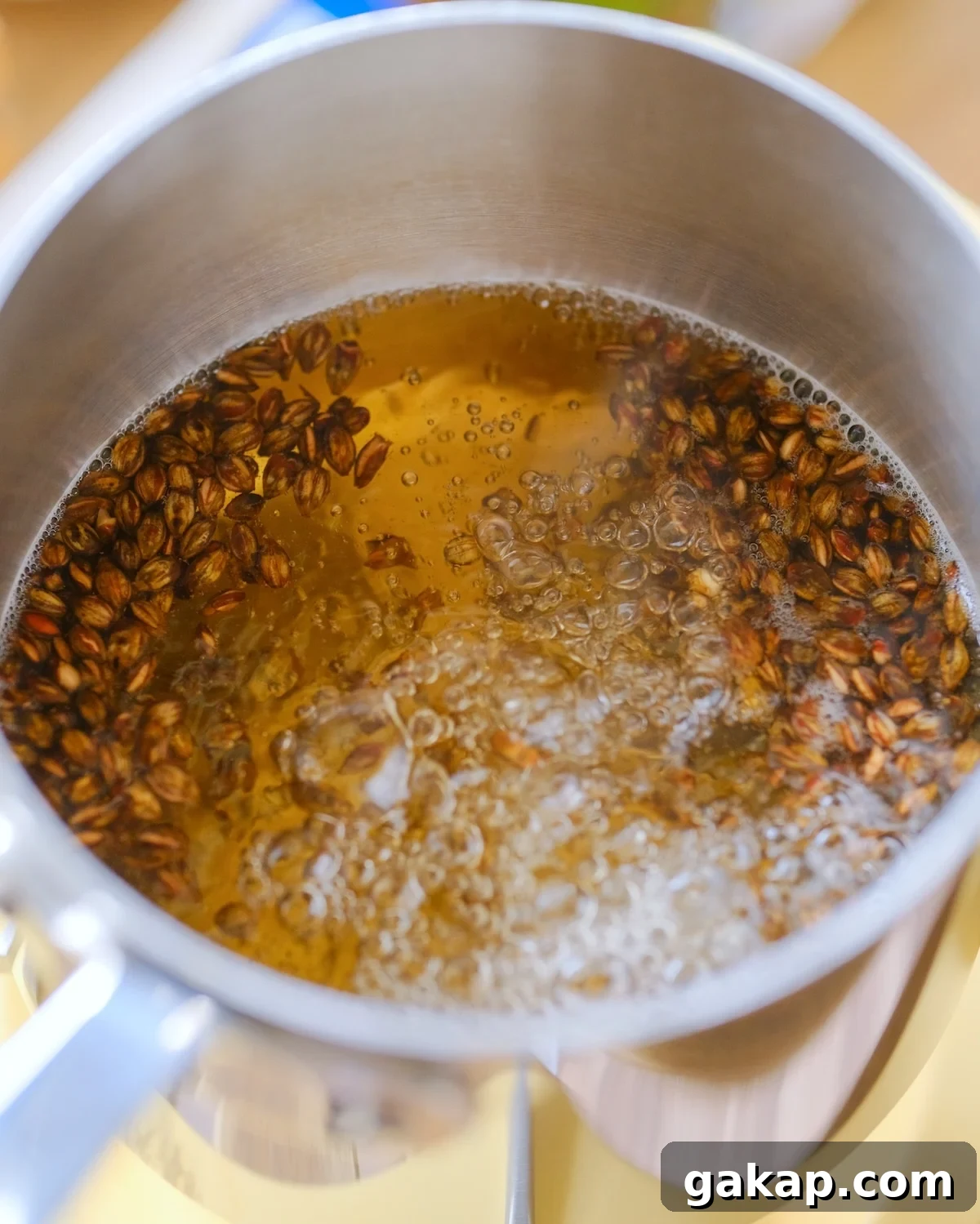
- Meanwhile, brew a strong batch of barley tea. Strain and set the liquid aside.
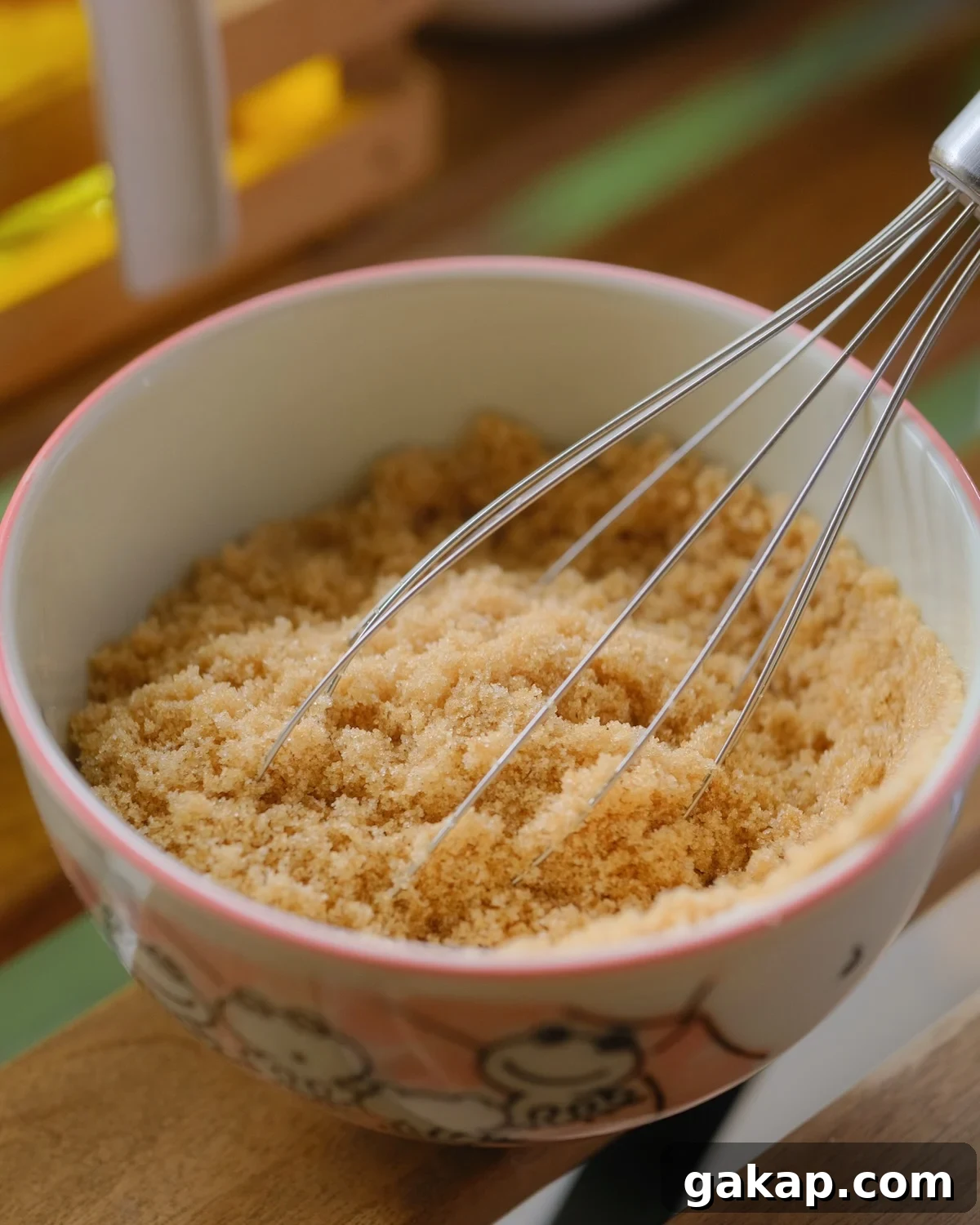
- Mix brown sugar, white sugar, and cellulose powder if using; whisk well to disperse the powder evenly.
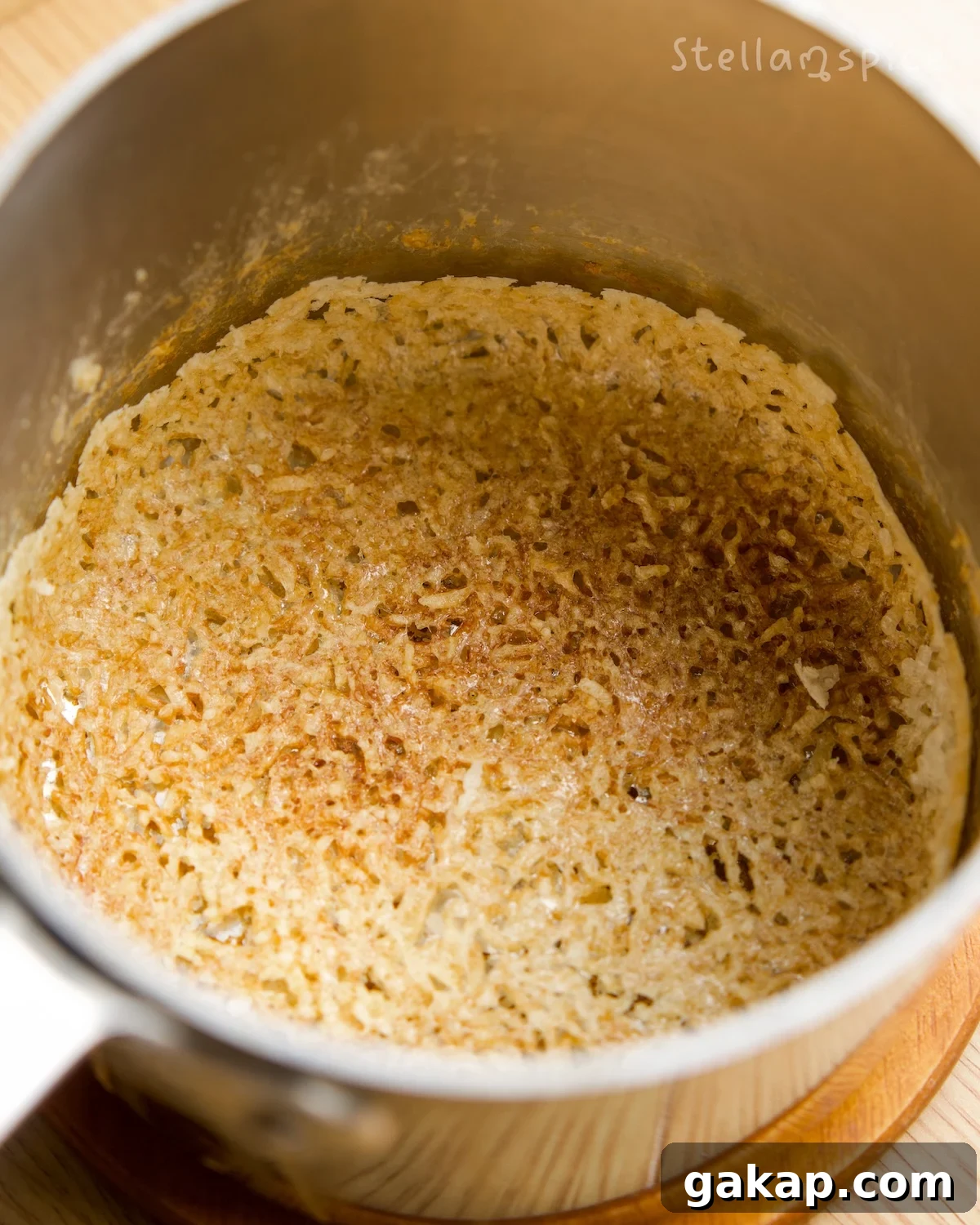
- The nurungji is ready when it is golden, crisp, and detaches easily from the pan. Break it into small pieces and wipe any excess starch from the pot.
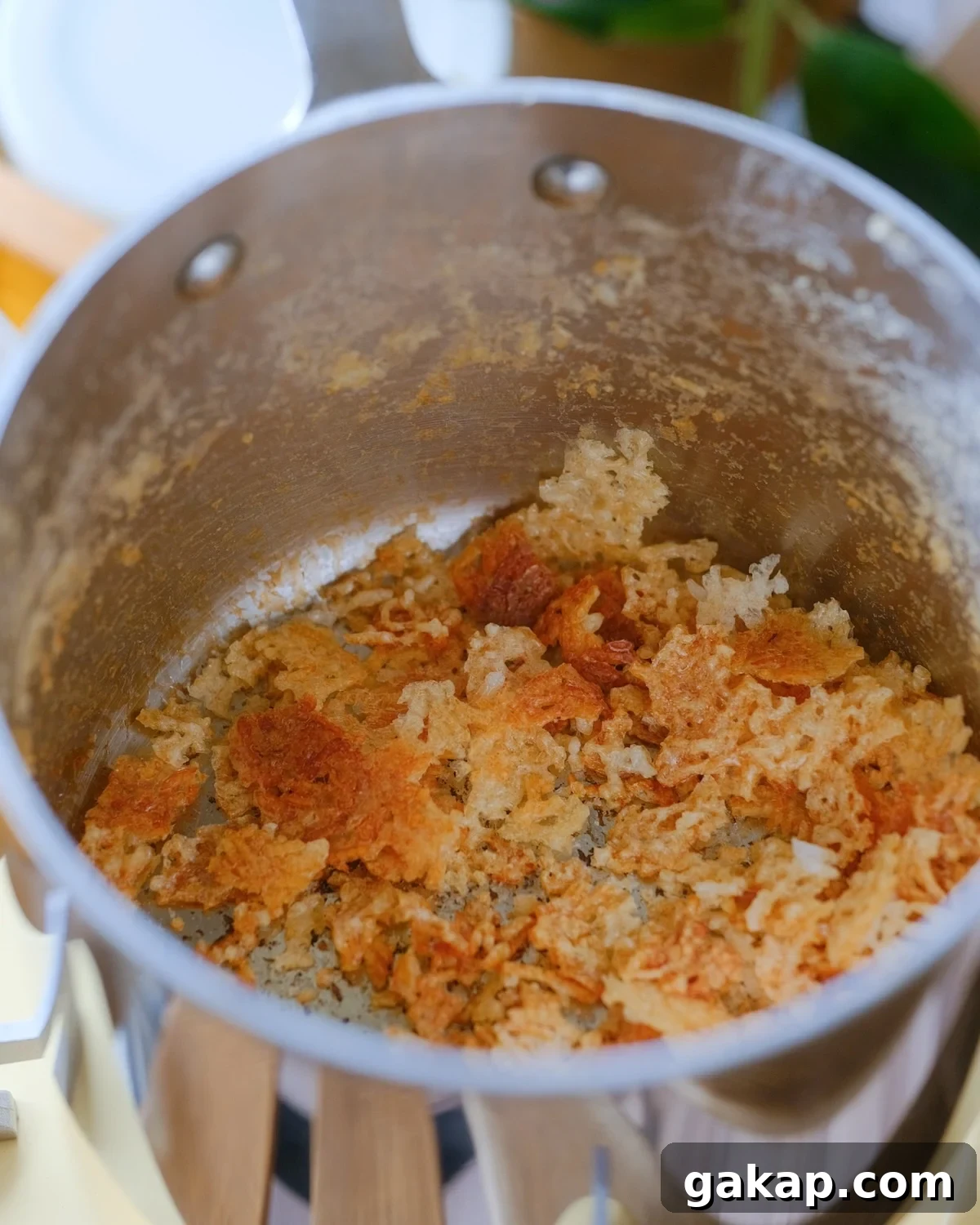
- Add the brewed boricha to the pot, then whisk in the brown sugar mixture slowly, one spoonful at a time. Bring to a gentle simmer over medium-low heat.
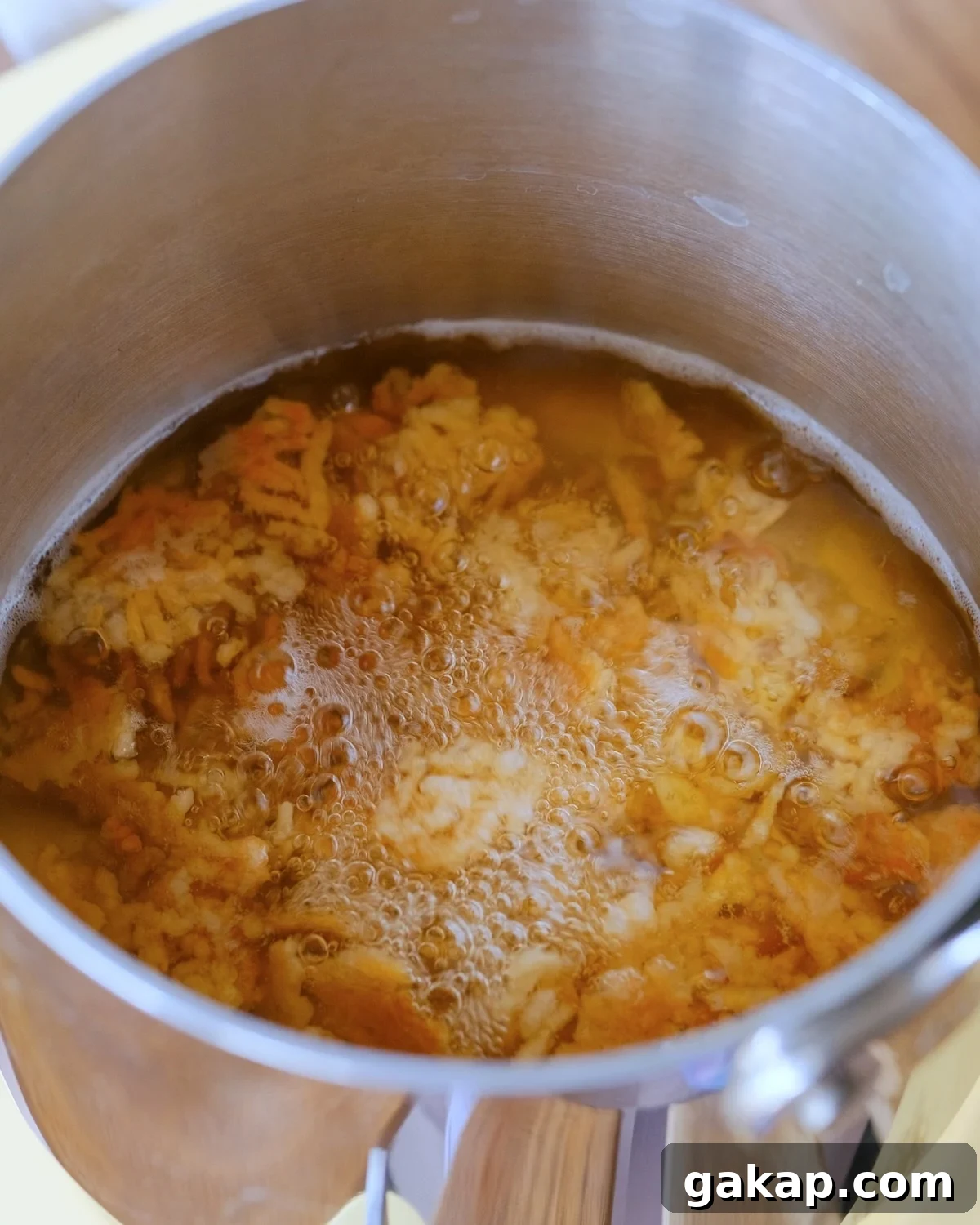
- Stir in the crema, heavy cream, salt, and vanilla. Simmer gently for no more than 10 minutes to avoid releasing excess starch.
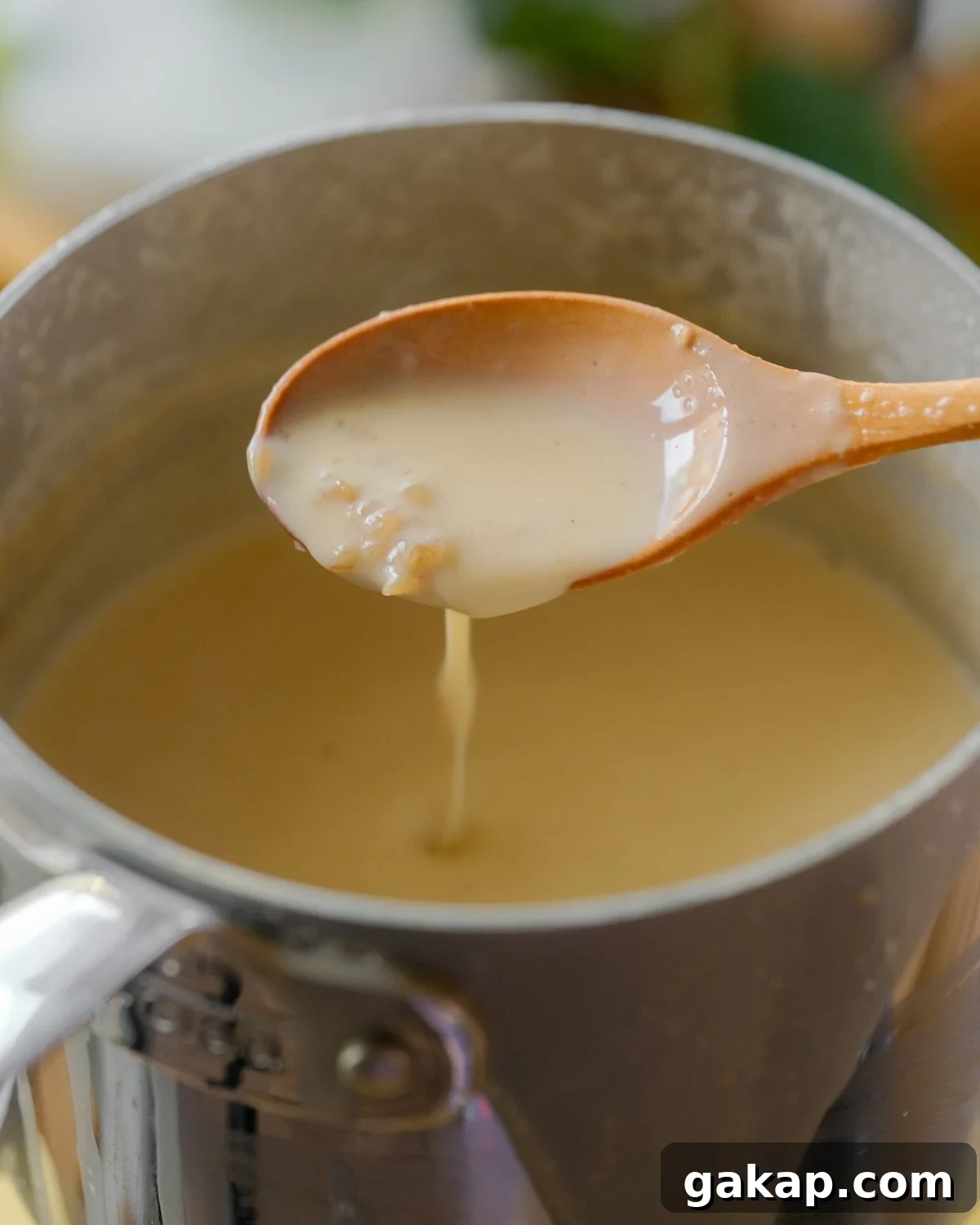
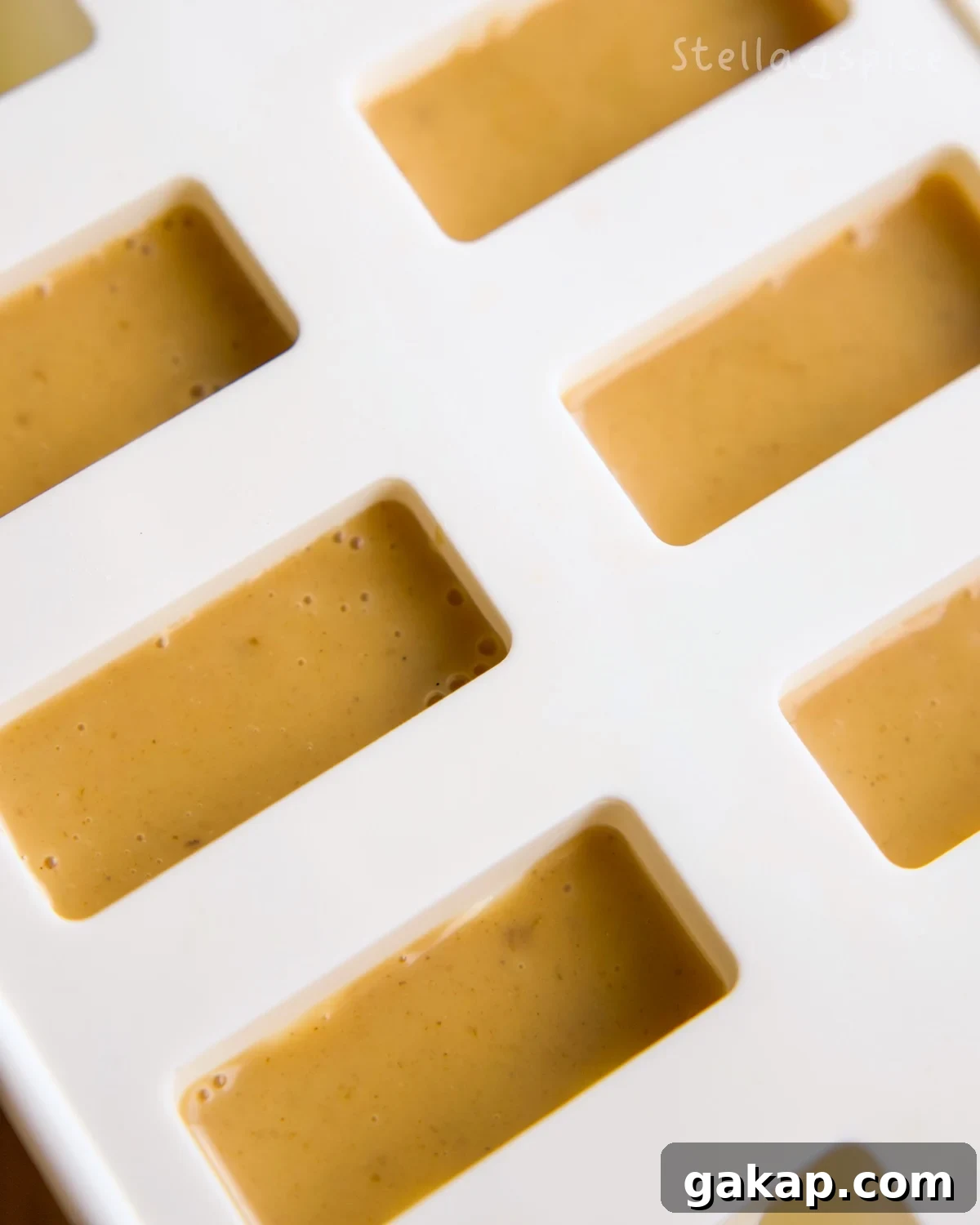
- Transfer the mixture to a pourable container and cool for about 30 minutes. It should be just thick enough to suspend rice pieces without them immediately sinking.
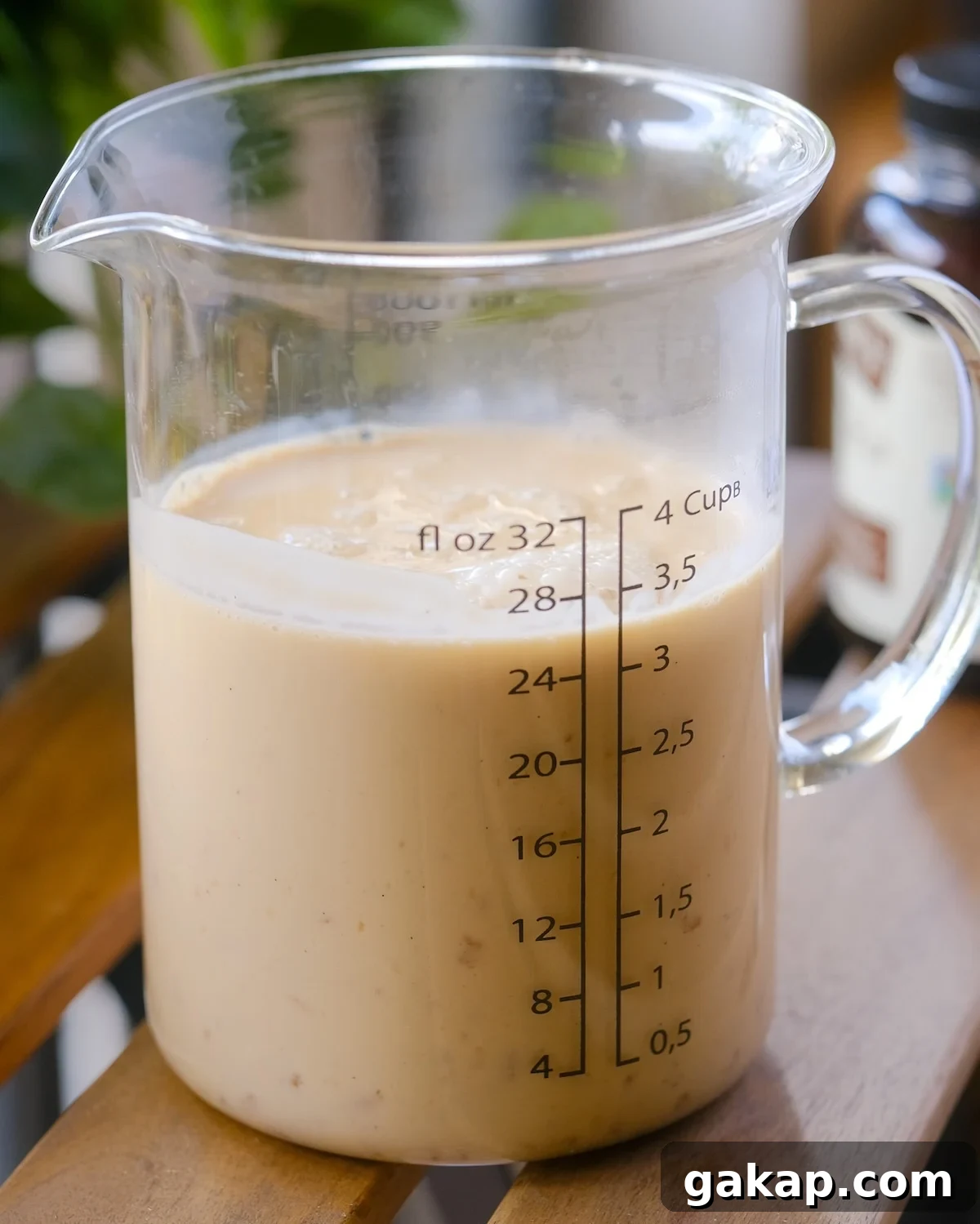
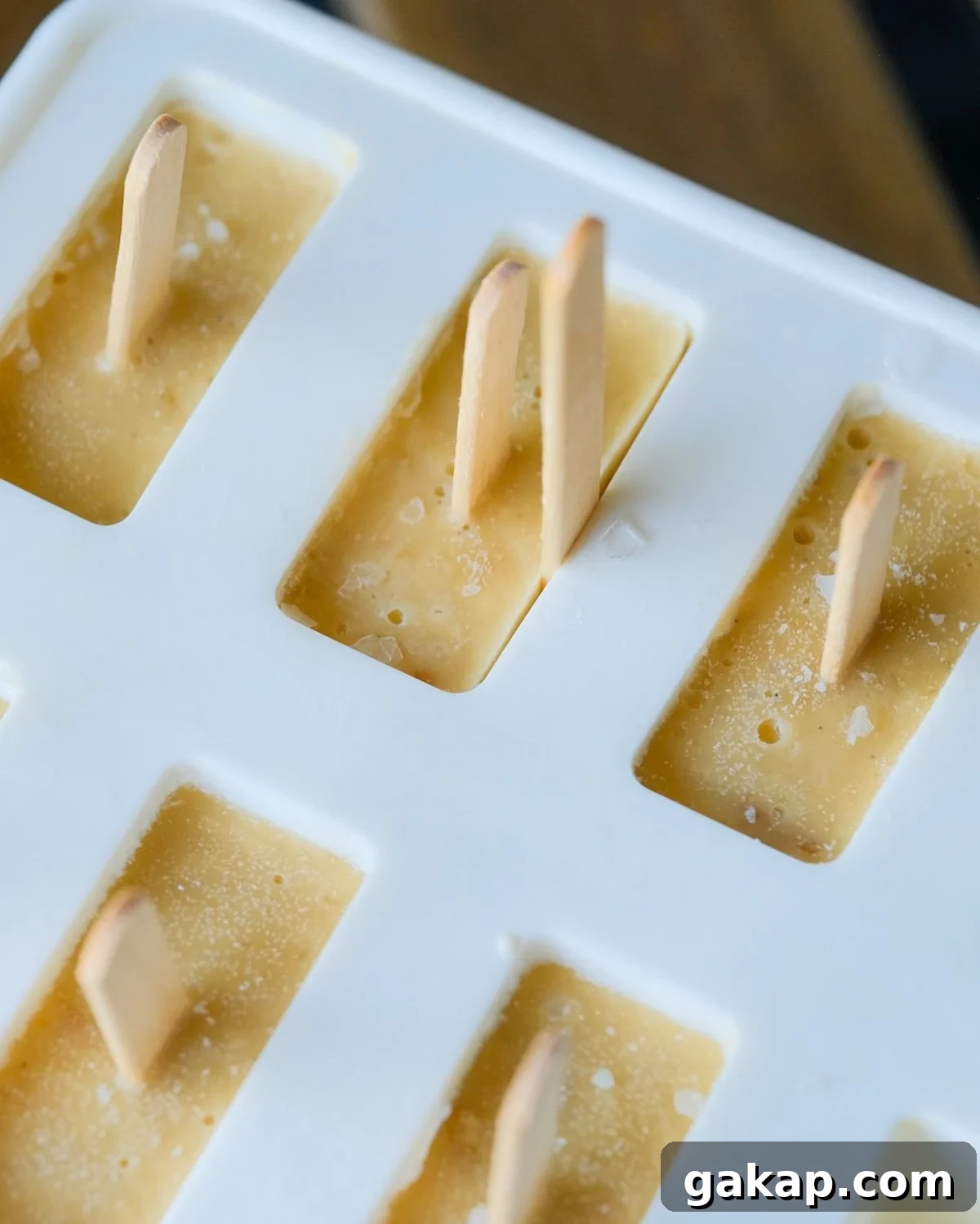
- Stir to evenly distribute rice pieces, pour into popsicle molds, insert sticks about three-quarters of the way down, and freeze at least 8 hours.
- To unmold, slide a stick along the sides or briefly dip the mold in warm water for 15–20 seconds. Enjoy immediately or let soften five minutes for an easier bite.
Recipe Tips
Don’t overcook the cream base: Keep the simmer gentle and brief. Overcooking releases excess starch from the rice, which can make the base gummy instead of creamy. Aim for a consistency that will suspend the rice bits without turning gluey.
Suspension test: Before pouring into molds, stir the mix and observe whether rice pieces float evenly. If they sink quickly, let the mixture cool a little to thicken and improve suspension.
Prep stabilizers correctly: If using cellulose powder or a similar stabilizer, whisk it into the dry sugar first to prevent clumping when added to liquid.
Equipment Needed
Basic equipment includes a silicone popsicle mold, popsicle sticks, and a pourable measuring cup or jug. I prefer silicone molds because they make unmolding easier. A blender is helpful for other paleta recipes but not strictly necessary for this one.
More Paleta Flavors
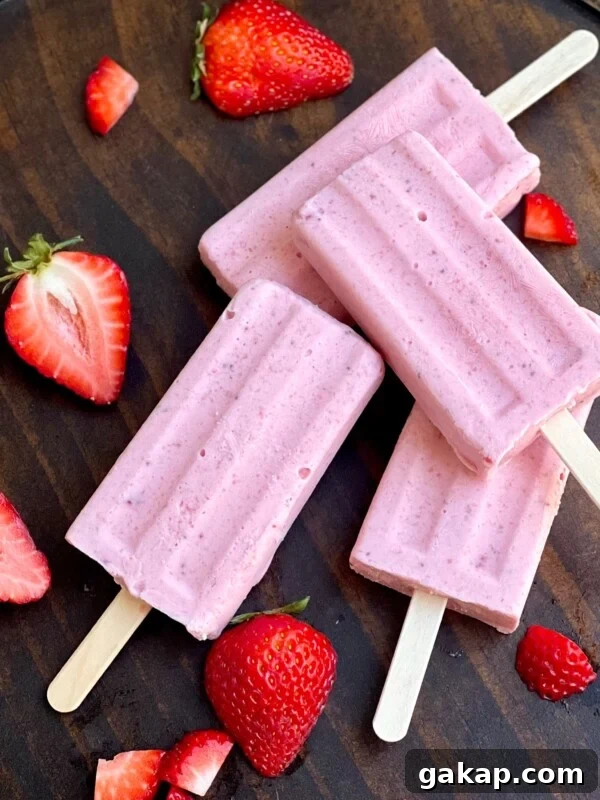
If you enjoy fusion paletas, try a red bean and shaved ice–style paleta, or classic creamy strawberry paletas. Other popular cream-based paletas include coconut, pecan, and coffee flavors—each bringing a different nostalgic twist to the frozen treat format.
Frequently Asked Questions
You can, but I recommend using both brown and white sugar. Brown sugar adds caramelized depth that complements the roasted barley tea, while white sugar helps balance texture and freezing behavior.
Short-grain rice is ideal for texture. Jasmine can work in a pinch but won’t yield the same chewiness. Avoid basmati because its aroma and texture differ significantly.
Crema Mexicana (often labeled simply as crema) is a slightly cultured, pourable cream used in Mexican cooking. It’s richer than regular cream and less acidic than sour cream. If you can’t find it, try a 50/50 mix of heavy cream and crème fraîche, or ¾ cup heavy cream plus ¼ cup whole milk as substitutes.
Once frozen solid, unmold and wrap paletas individually, then store them in an airtight container. Properly stored, they keep well for up to a month without noticeable freezer burn.
More Creamy Paletas
Dessert
Creamy Strawberry Paletas
Dessert
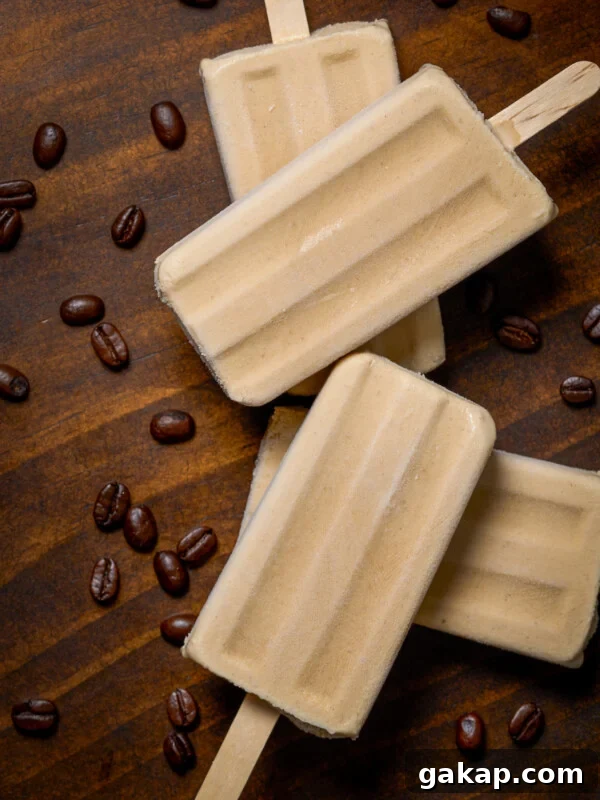
Paletas de Cafe (Coffee Ice Cream)
Dessert
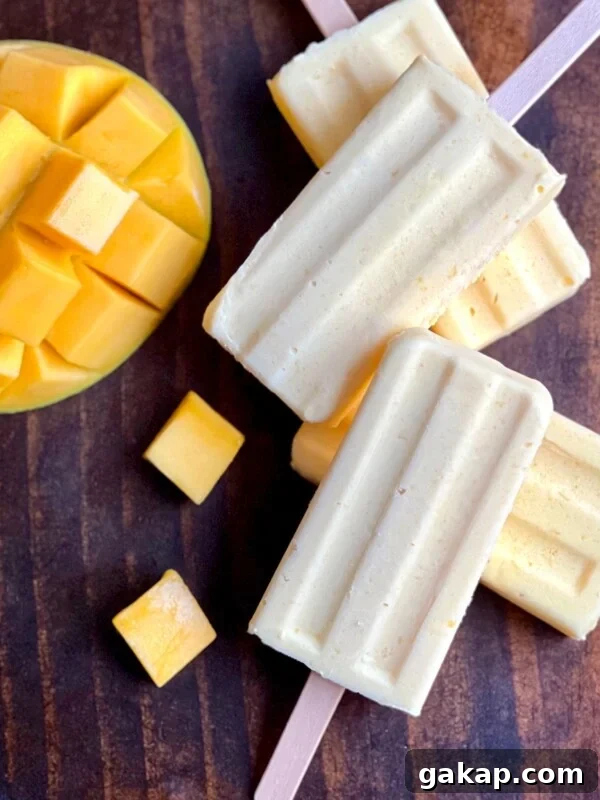
Creamy Mango Paletas
Mexican
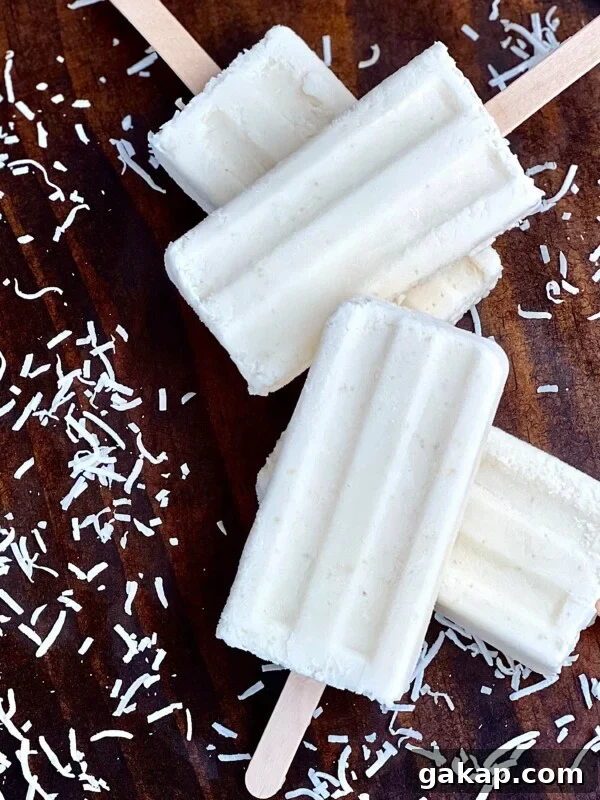
Paletas de Coco (Coconut Ice Cream)
If you try these Nurungji Paletas or another recipe, please leave a star rating and share how it went in the comments!
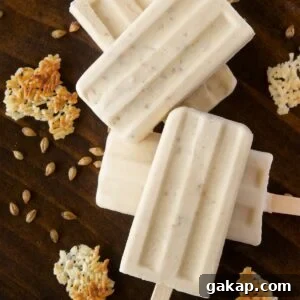
Nurungji Paletas (Toasted Rice Cream)
Equipment
- silicone popsicle mold
Ingredients
- 20 grams nurungji (toasted rice), about ¼ cup broken up
- 1½ cups boricha (barley tea), brewed strong
- 1 cup crema Mexicana, see notes for substitutes
- 1 cup heavy cream
- ½ cup brown sugar
- ¼ cup white sugar
- ½ tsp vanilla bean paste or extract
- ¼ tsp salt
- ¼ tsp cellulose gum (optional), optional but recommended
Instructions
- Cook short-grain steamed rice. Remove the rice and leave a thin, even layer adhered to the bottom of the pan. Toast over medium-low heat for 10–15 minutes until golden and crisp.
- Brew a strong batch of barley tea. Strain and set aside.
- Combine brown sugar, white sugar, and cellulose powder (if using) in a bowl and whisk until evenly dispersed.
- When the nurungji is golden and detaches from the pan, break it into small pieces and clean any excess dried starch from the pot.
- Add the boricha to the pot and slowly whisk in the sugar mixture, one spoonful at a time. Bring to a gentle simmer over medium-low heat.
- Stir in crema, heavy cream, salt, and vanilla. Simmer for no longer than 10 minutes to avoid excess starch release.
- Transfer to a pourable measuring glass and cool for 30 minutes until the mixture thickens just enough to suspend rice pieces.
- Stir to distribute rice pieces evenly, pour into molds, insert sticks, and freeze at least 8 hours.
- To unmold, slide a stick around the sides or briefly dip the mold in warm water. Serve immediately or let soften five minutes.
Notes
- Crema Mexicana: Do not substitute with regular sour cream; its higher acidity will alter the flavor. Best substitutes: 50/50 heavy cream and crème fraîche, or ¾ cup heavy cream + ¼ cup whole milk.
- Watch the simmer: Keep heat low and cooking time short to prevent excessive starch extraction, which can lead to a gummy texture.
- Optional stabilizers: Starches from short-grain rice help keep the paletas creamy, but a small pinch of cellulose or guar gum can reduce ice crystals for longer storage. Avoid xanthan gum, which can make dairy feel slick.
- Storage: Once frozen, individually wrap paletas and store in an airtight container for up to one month.
Nutrition
Nutrition information is automatically calculated and should be used as an approximation.