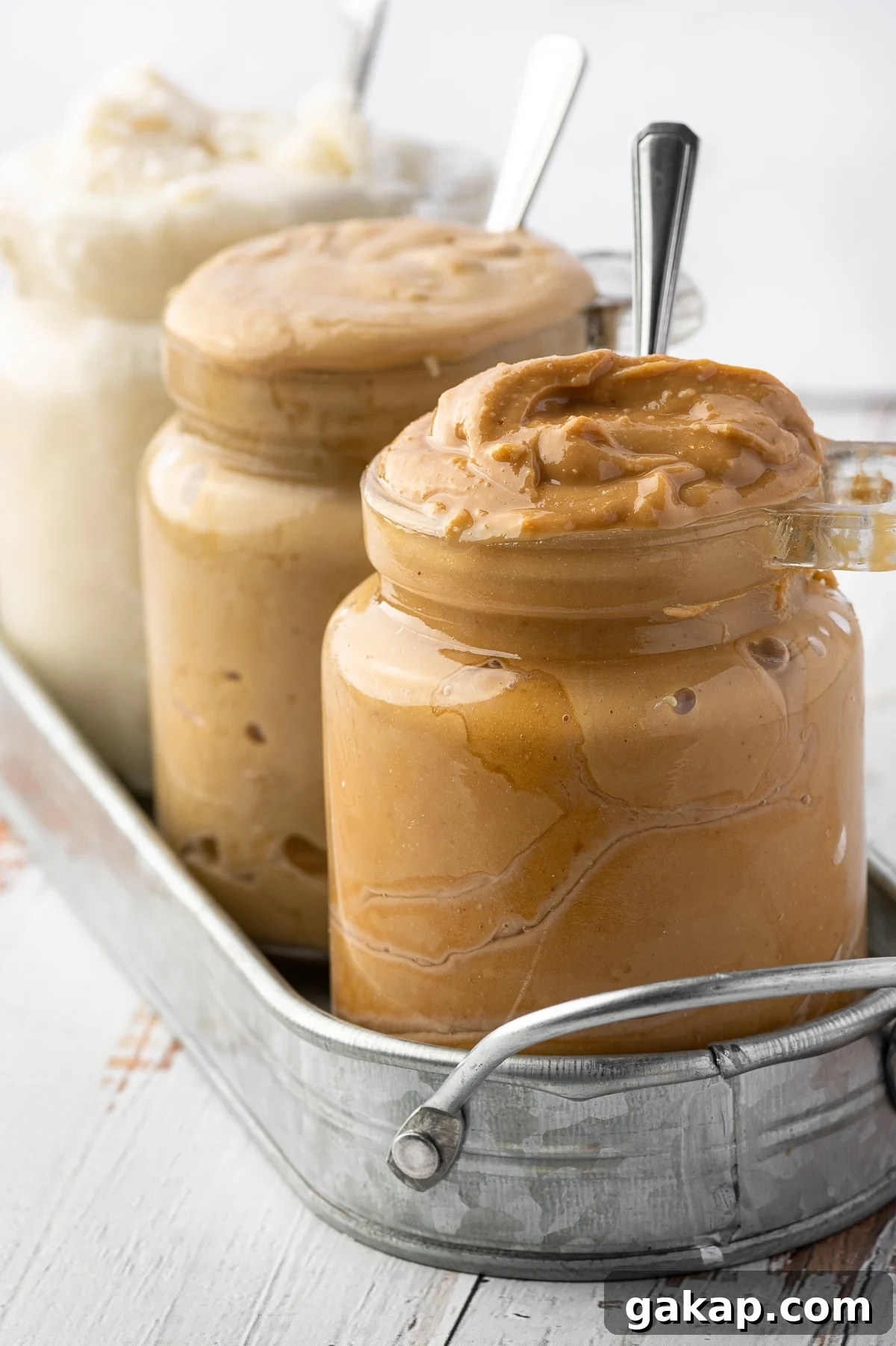
Did you know there are many different nut butters available today? I’ve tested a wide variety, and each behaves differently in recipes and baking. In this guide I’ll cover the best nut butters for low-carb baking, how they differ nutritionally, and which ones work as a 1:1 swap for peanut butter.
Which nut butter is your favorite? Companies keep introducing new varieties, and exploring the subtle flavor and texture differences is part of the fun. For anyone following a low-carb approach, nut butters are a convenient source of healthy fats and protein. They’re versatile—great for baking, no-bake treats, and even savory dishes.
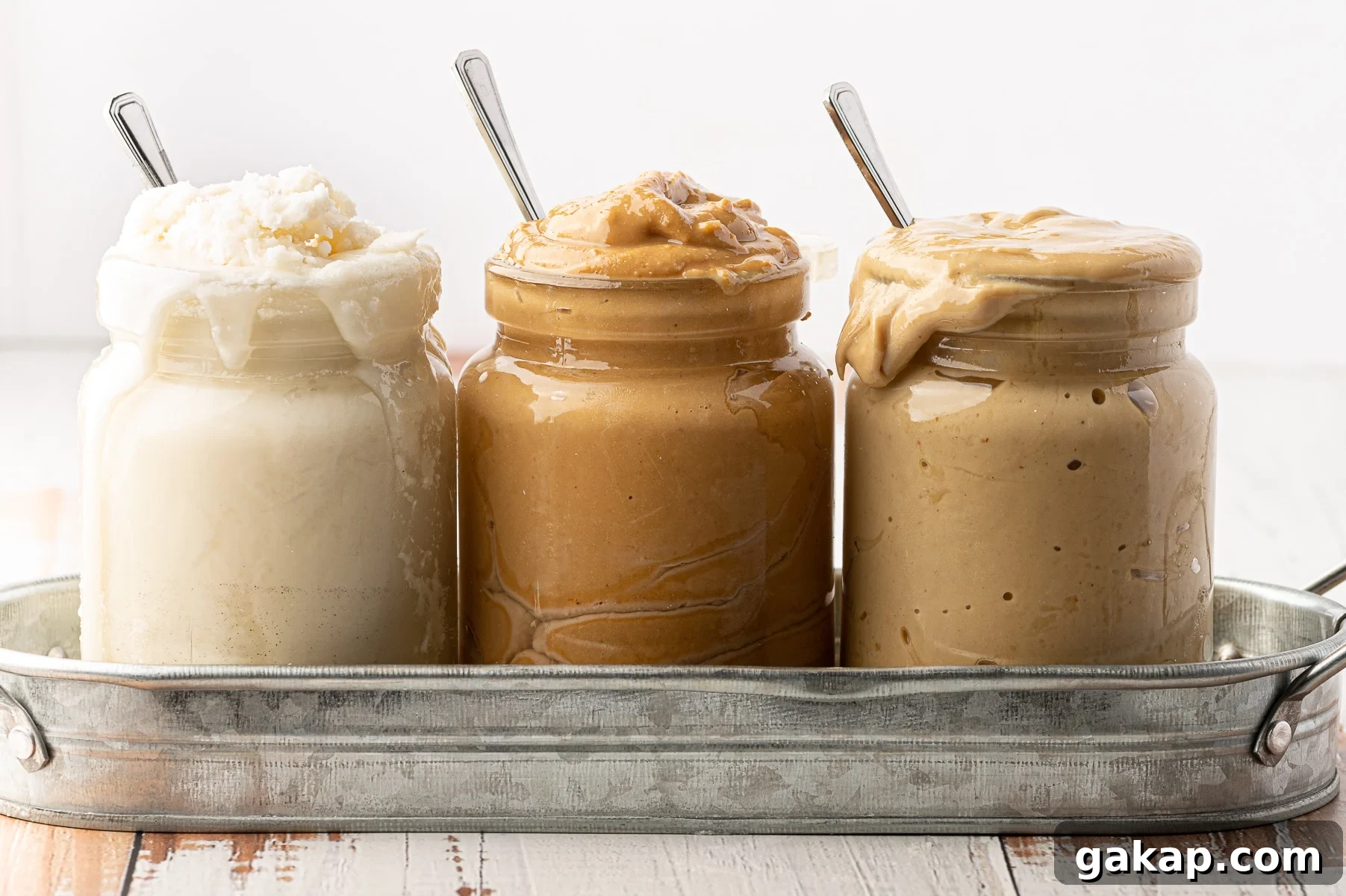
The Best Nut Butters For Low-Carb Baking
This guide highlights nut butters that work well in low-carb desserts. Each variety differs in fat profile, texture, flavor, and cost. I’ll note carb counts and whether the nut butter can replace peanut butter in a 1:1 ratio so you can choose the best option for your recipes.
1. Peanut Butter
Peanut butter remains the most popular nut butter. It’s fine in moderation but because of its omega-6 content, it’s wise not to overconsume it.
Carb Count: About 2 grams of carbs per tablespoon (sugar-free varieties).
Peanut Butter Nutrition
Peanut butter is a solid non-meat source of protein and provides micronutrients such as copper, folate, iron, and vitamin B3. In moderate amounts it can support weight management and heart health. The downside is its relatively high omega-6 fatty acid content, which can contribute to inflammation if consumed in large amounts without balancing omega-3s. Choose natural peanut butter without hydrogenated oils or unnecessary additives.
2. Almond Butter
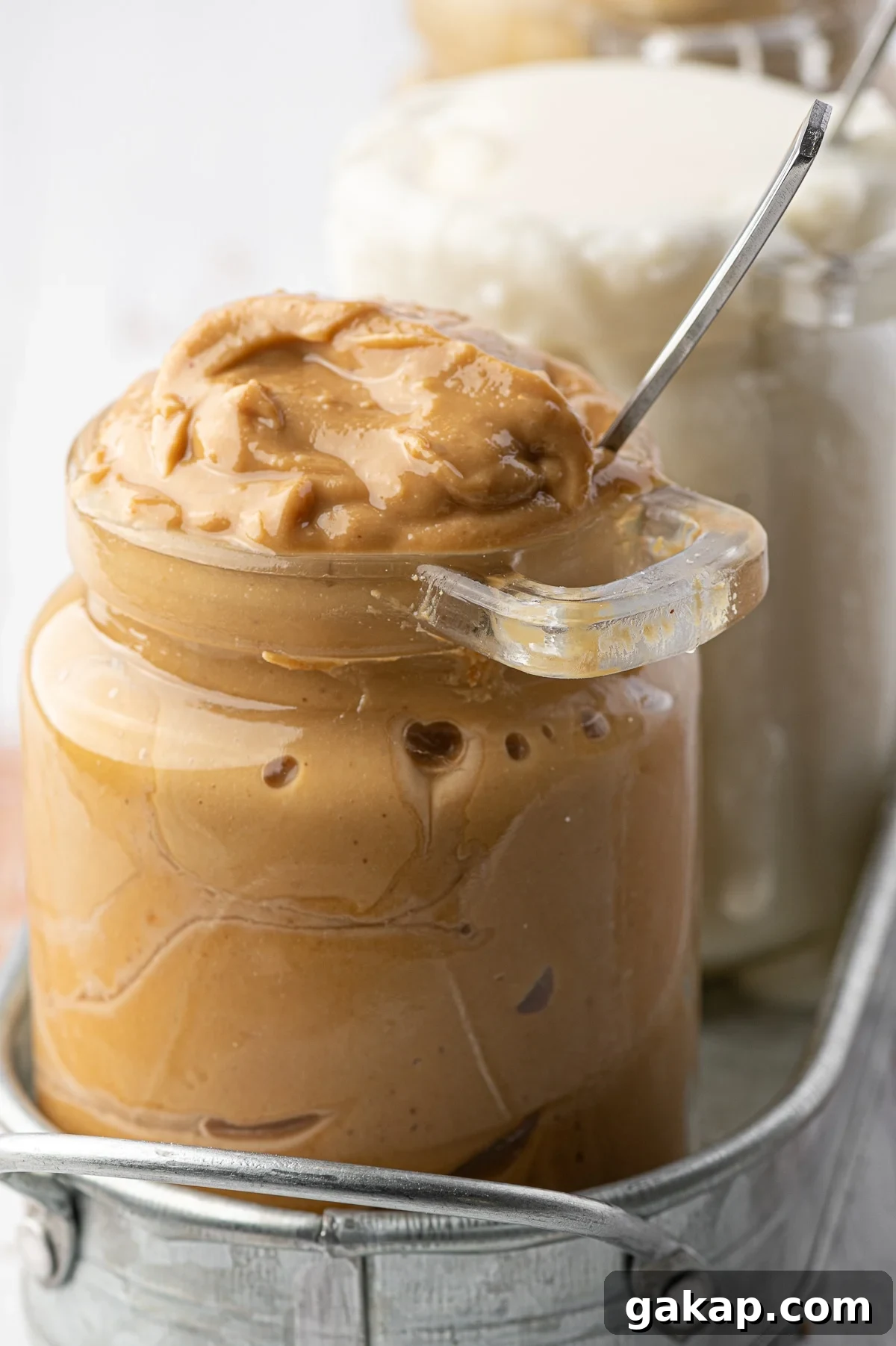
Almond butter is a great option for those with peanut allergies and has a distinctly nutty flavor. It’s heart-friendly and a common peanut butter substitute.
Carb Count: Around 2.5 grams net carbs per tablespoon.
Almond Butter Nutrition
Almond butter tends to be better for heart health than peanut butter: it has less saturated fat, more monounsaturated fat, and higher fiber. Almonds are also a good source of calcium and magnesium, which support bone strength and blood sugar regulation. Almond butter typically works well as a 1:1 replacement for peanut butter in baking.
3. Coconut Butter
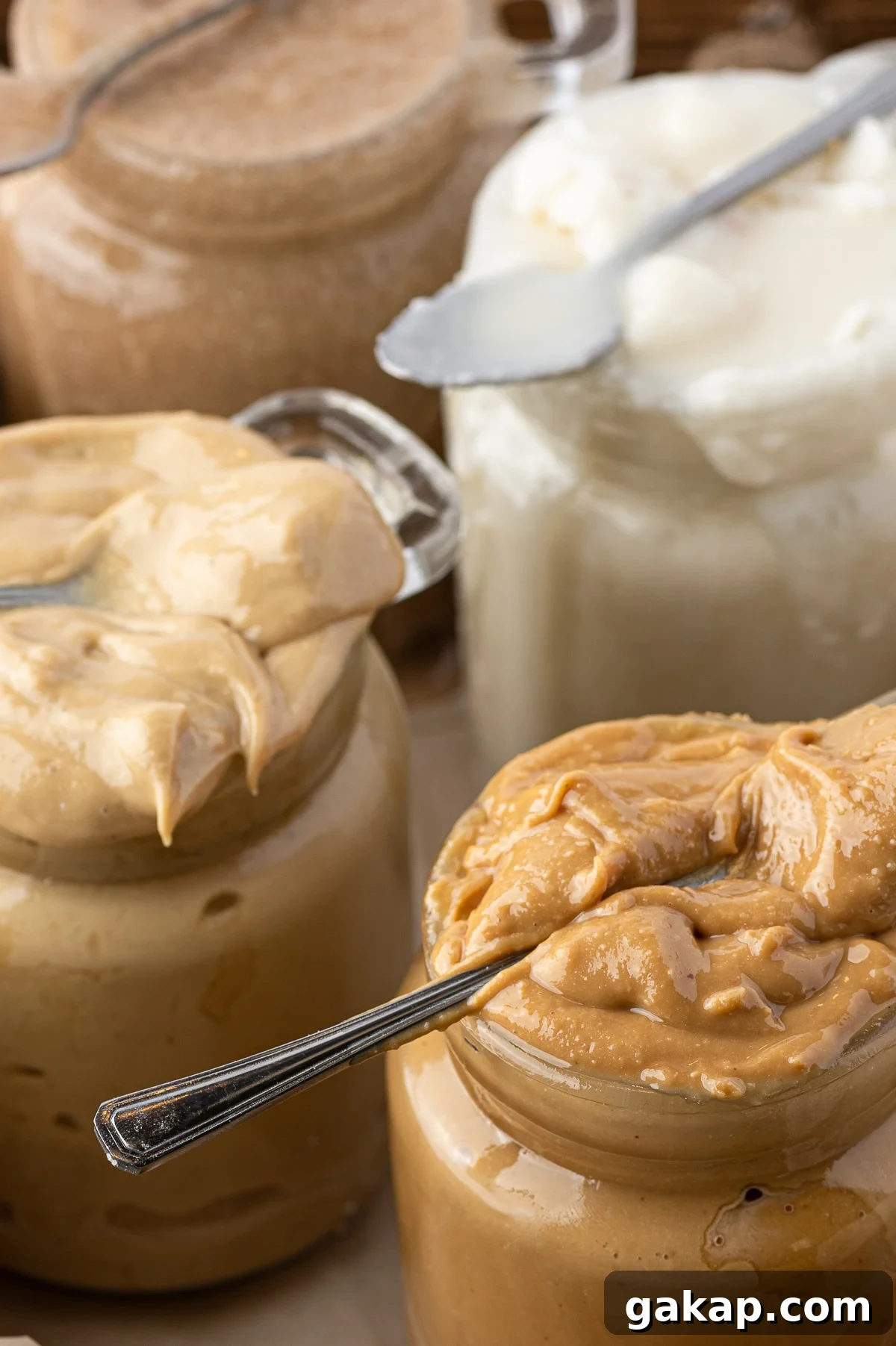
Coconut butter is pureed coconut meat, not to be confused with coconut oil. Because it includes the fiber from coconut meat, it offers a different texture and nutrition profile.
Carb Count: About 1.4 net grams of carbs per tablespoon.
Coconut Butter Nutrition
Coconut butter contains healthy fats, fiber, potassium, magnesium, and iron. It has a pronounced coconut flavor, so it may not be an exact 1:1 swap for peanut butter in every recipe unless you want that coconut taste. If you enjoy coconut, it’s a nutritious and flavorful choice for low-carb baking.
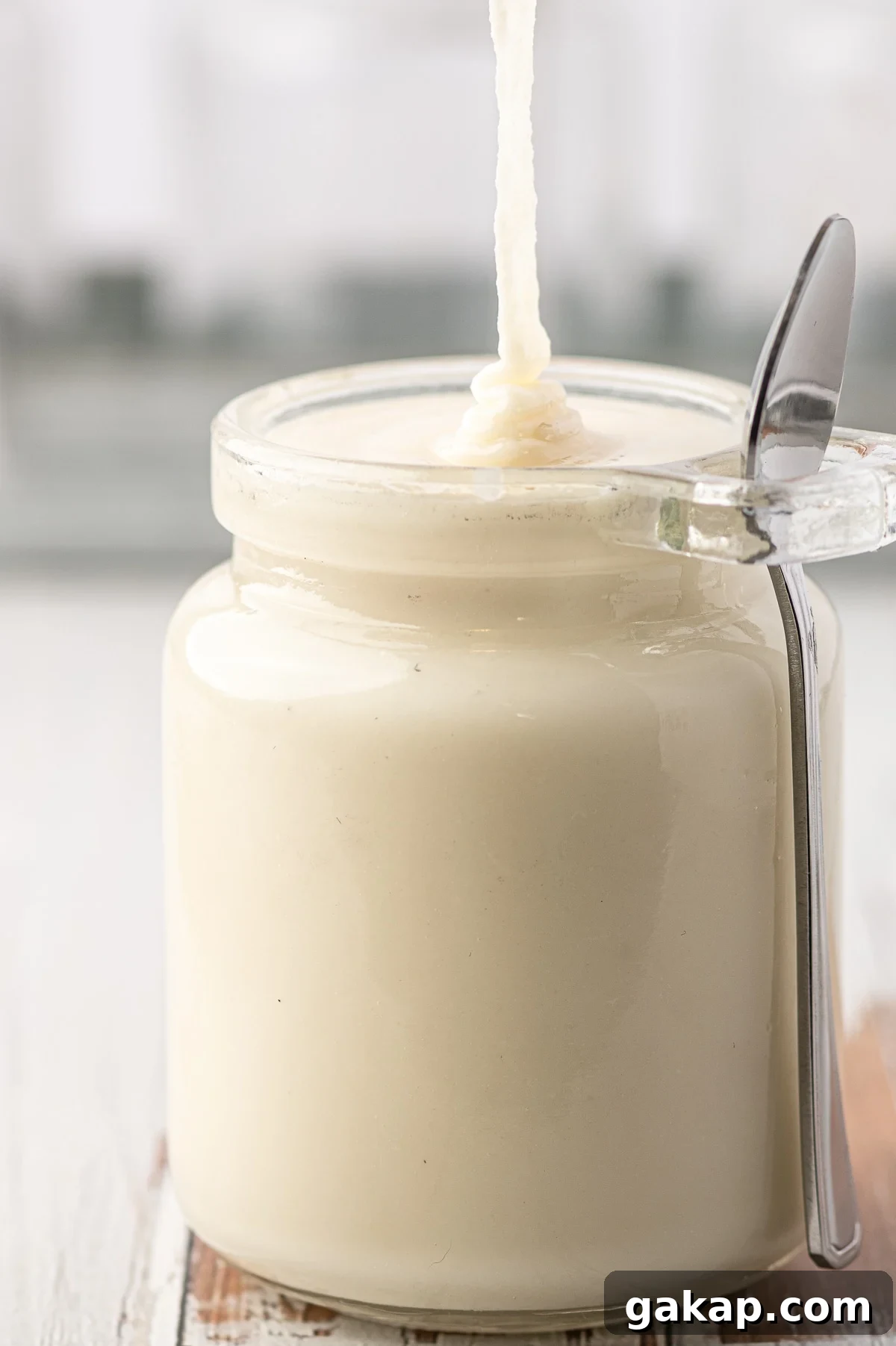
4. Cashew Butter
Cashew butter is prized for its smooth texture and mild, naturally sweet flavor. It works well in many low-carb recipes but can produce a milder-tasting finished product compared with peanut butter.
Carb Count: Roughly 1.8 grams net carbs per tablespoon.
Cashew Butter Nutrition
Cashew butter provides monounsaturated fats, essential amino acids, and protein, supporting cholesterol management and metabolism. It doesn’t have as much omega-3 content as almond or coconut variants. Because its flavor is subtle, you may want to boost recipes with vanilla or other flavorings when substituting cashew butter for peanut butter in a 1:1 swap.
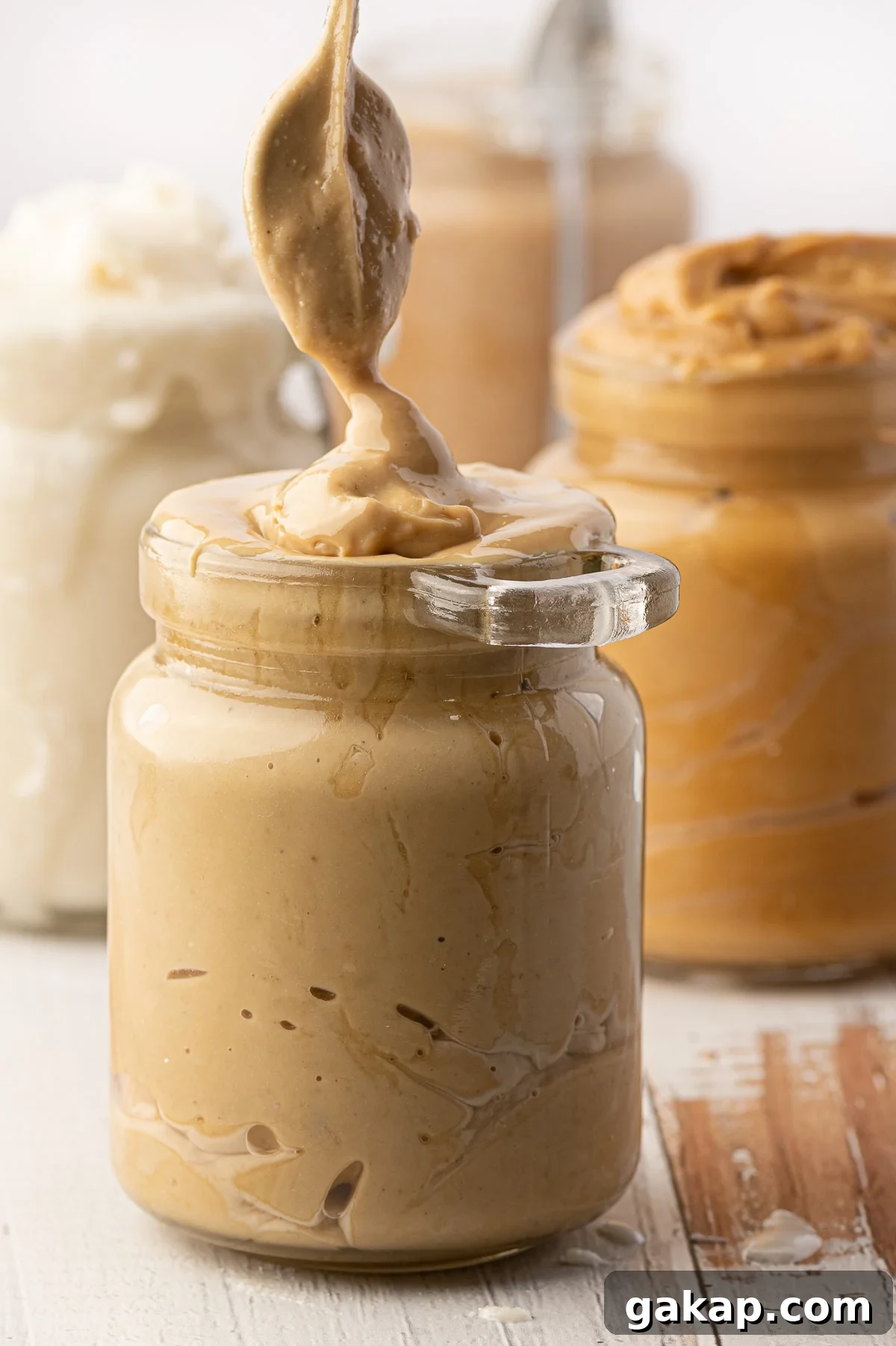
5. Macadamia Nut Butter
Macadamia nut butter has an even milder, buttery flavor. Many people prefer macadamias chopped in recipes, but the butter is available and makes a creamy addition to low-carb baking.
Carb Count: About 1 gram net carbs per tablespoon.
Macadamia Nut Butter Nutrition
Rich in monounsaturated fats, macadamia butter can help support healthy cholesterol levels and is high in antioxidants. Its creamy texture allows it to be used as a 1:1 substitute for peanut butter in many recipes.
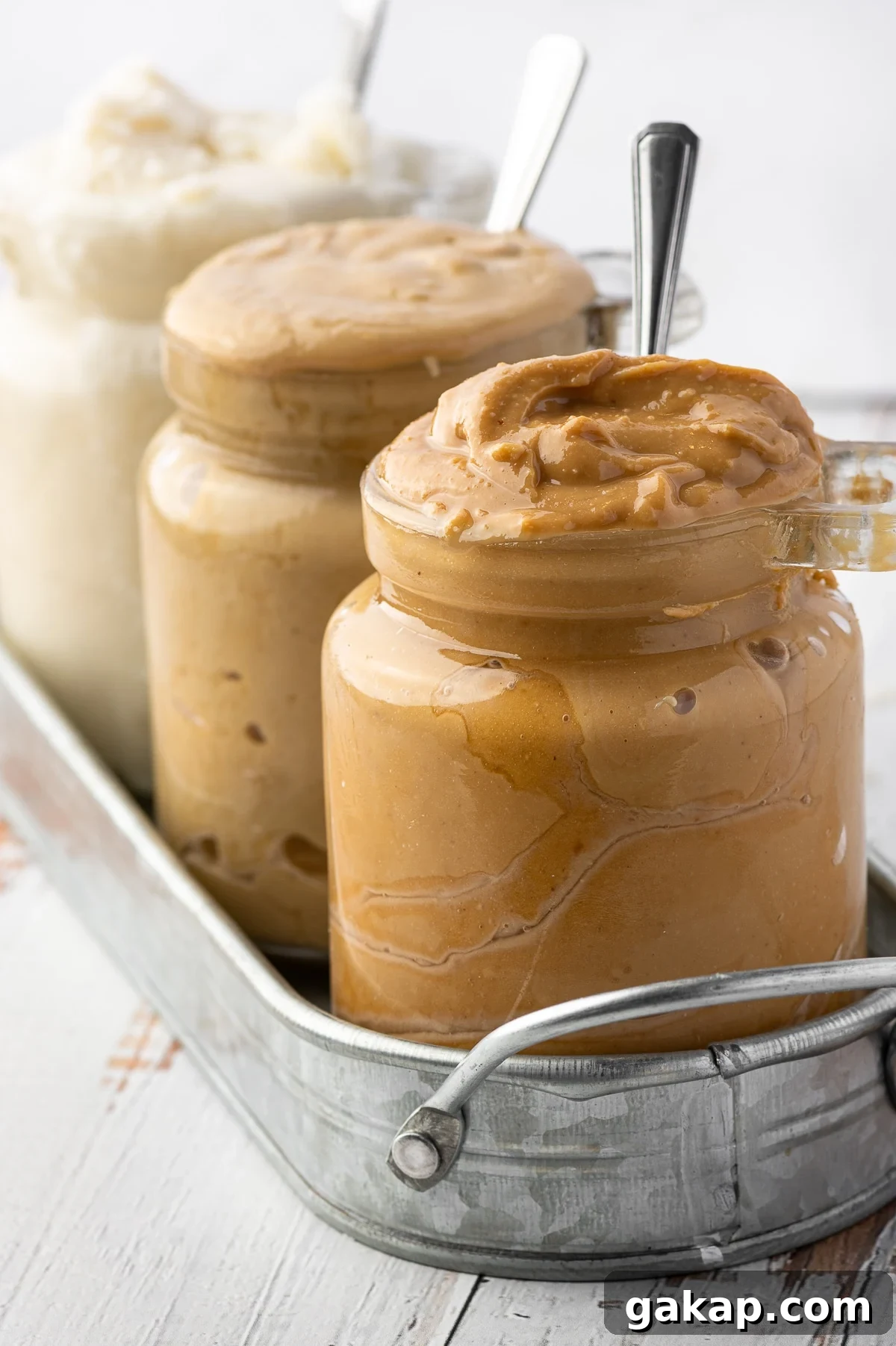
6. Pecan Butter
Pecan butter is less common but offers a distinctive flavor and a strong nutrient profile, including iron, making it a smart choice for those who need extra iron intake.
Carb Count: About 2.5 grams of carbs per tablespoon.
Pecan Butter Nutrition
Pecan butter supplies a range of vitamins and minerals, including vitamins A, B, and E. Like several other nut butters, it contains omega-6 fatty acids, so enjoy it in moderation. Pecan butter can often be used 1:1 for peanut butter, though its stronger flavor and slightly different texture mean it’s wise to test a small batch before swapping it into an entire recipe. Mixing pecan butter with coconut butter and a touch of cinnamon and vanilla makes a tasty seasonal blend.
7. Hazelnut Butter
Hazelnut butter delivers a rich, nutty flavor reminiscent of popular hazelnut spreads but without added chocolate or sugar if you choose a pure version.
Carb Count: About 1.7 net grams of carbs per tablespoon.
Hazelnut Butter Nutrition
Hazelnuts are nutrient-dense, offering protein and healthy fats. Regular consumption has been associated with reduced inflammation and potential protective effects against some diseases. Hazelnut butter’s creamy texture and pleasant flavor make it a good 1:1 swap for peanut butter in many recipes.
Benefits of Making Your Own Nut Butter
Making nut butter at home is simple and has several advantages. Cost is a major benefit—homemade nut butter needs only nuts, a little oil, and optional salt, and buying nuts in bulk can be far cheaper than store-bought jars. Homemade versions give you full control over ingredients, flavors, and sweetness, so you can craft gourmet blends with extracts or spices. You can also make small batches to avoid waste and keep freshness high.
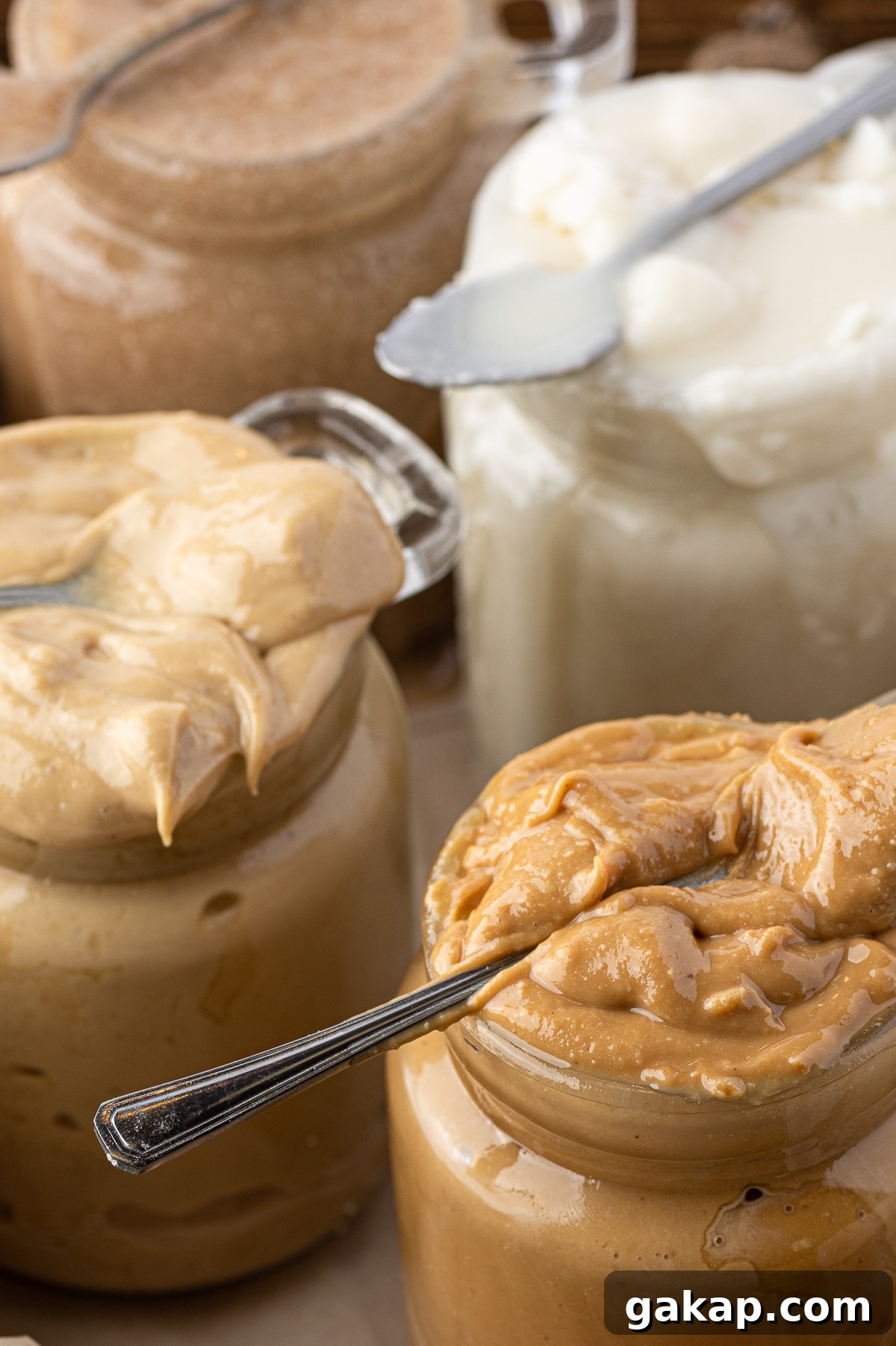
How To Choose The Best Nut Butters
Choosing the best nut butter for baking depends on price, nutrition, texture, and flavor. Coconut butter stands out for flavor when you enjoy coconut, cashew butter excels for silky texture, and peanut butter remains popular because it’s familiar and versatile. Consider the recipe’s flavor profile and whether you want a 1:1 swap or prefer to tweak spices and sweeteners to match the selected nut butter.
Nut Butters: Favorite Recipes
Here are some favorite nut-butter-forward recipes featured on the blog that work well with low-carb nut butters:
- Low Carb Peanut Butter Pie With Fudge Crust
- Sugar-Free Marshmallow Bars With Chocolate And Peanut Butter
- Low-Carb PB&J Muffins
- Creamy Peanut Butter Ice Cream Cake