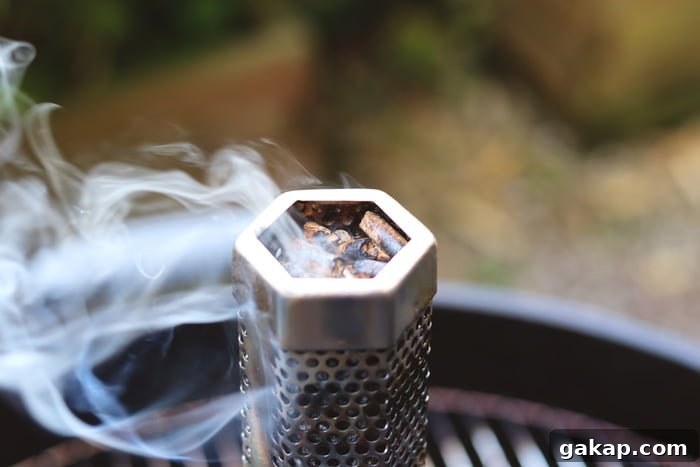
Take your BBQ to the next level with this essential piece of kit for pellet grilling and cold smoking.
- What is a Smoke Tube?
- When to Use a Smoke Tube
- How to Use a Smoke Tube: A Step-by-Step Guide
- Quick Tips
- Pros and Cons of Using a Smoke Tube
- The Final Word
If you want to boost the smoky flavor of pellet-smoked meats or start cold smoking cheese and fish at home, a smoke tube is the best place to begin. Simple in design but highly effective, a smoke tube produces a steady, clean smoke ideal for low-and-slow cooks and delicate cold-smoking projects.
They’re easy to use, affordable, and compatible with most grills and smokers. This guide walks through what a smoke tube is, when to use one, how to operate it safely, and practical tips to get the best results.
What is a Smoke Tube?
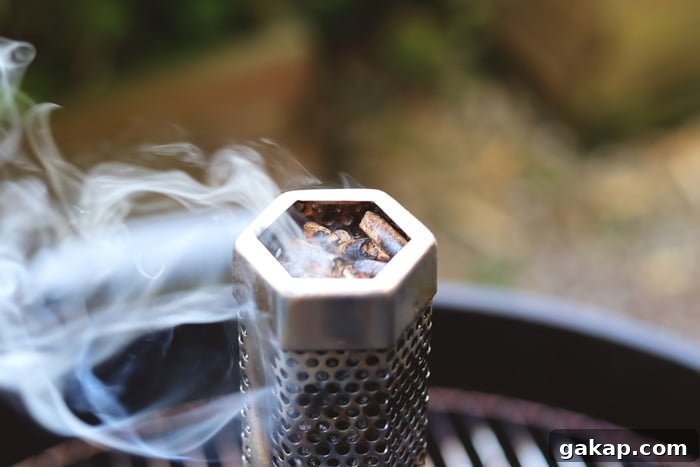
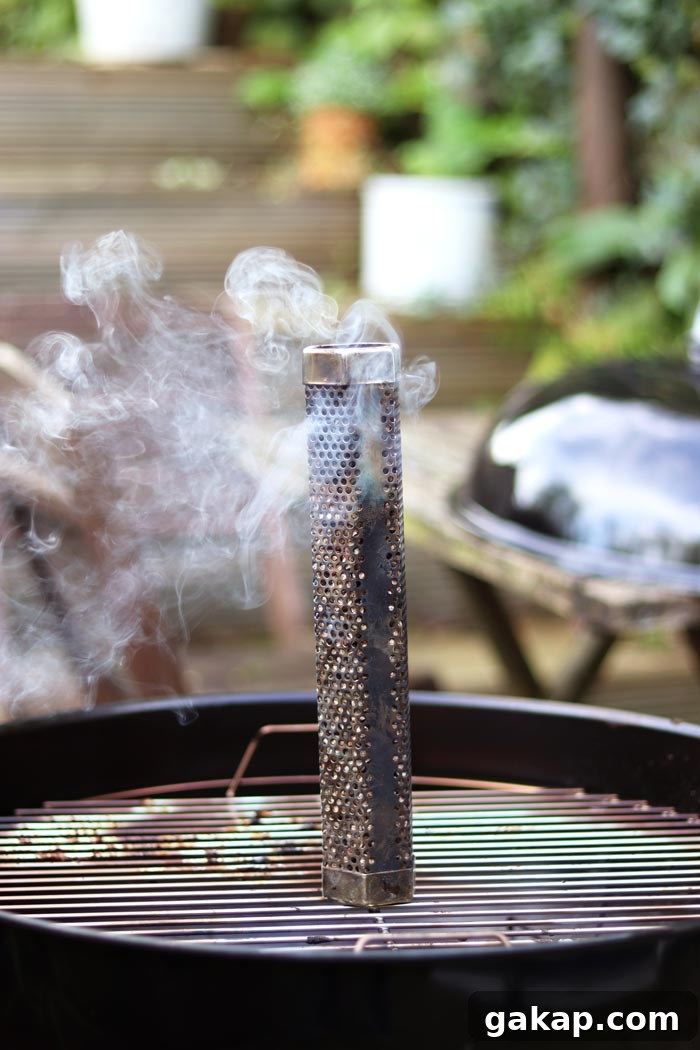
A smoke tube is a perforated stainless-steel cylinder designed to hold wood pellets that smolder and produce smoke. When filled and lit, the pellets burn slowly from one end to the other, creating several hours of steady smoke without producing much heat. Because of this controlled smoke output, smoke tubes are particularly useful for cold smoking and for adding extra smoke to grills that otherwise lack that charcoal flavor, such as gas or pellet grills.
Once ignited, a smoke tube typically sits on the grill grates and emits clean wood smoke for up to four to five hours, depending on its size and pellet type.
When to Use a Smoke Tube
Despite their compact size, smoke tubes are versatile and valuable for several smoking needs. They’re a small investment with big flavor returns.
Cold Smoking
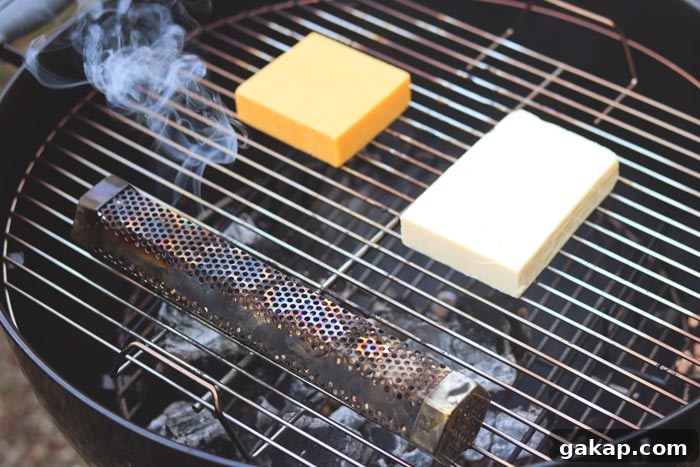
Cold smoking exposes food to smoke at low temperatures over hours or days to impart flavor and, in traditional processes, help preserve food. Cold smoking cheese or fish requires consistent smoke without raising the ambient temperature above about 90°F (32°C). Many grills can’t reliably maintain such low temperatures, but smoke tubes produce long-lasting, low-heat smoke that makes cold smoking at home practical and predictable.
Pellet Smoking
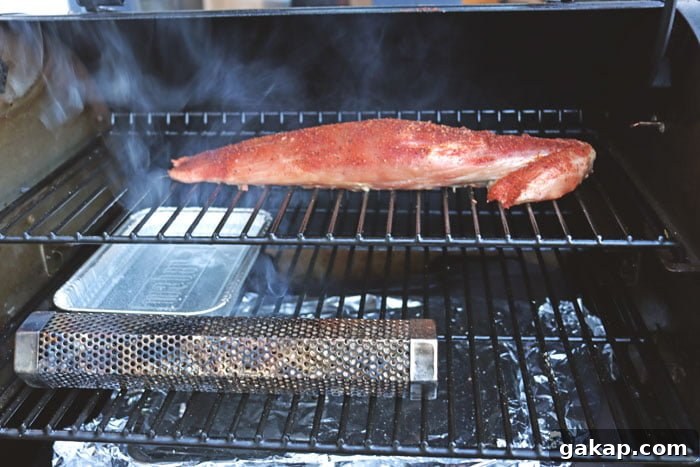
Pellet grills are convenient and consistent, but sometimes their smoke output is milder than desired for long cooks. A smoke tube placed in the grill adds a supplemental source of wood smoke, enhancing color and flavor for items like brisket, ribs, and pork shoulder without complicated setup.
Gas Grilling
Gas grills are fast and easy but often lack smoky character. A smoke tube brings authentic wood smoke to gas grilling, letting you enjoy grilled convenience with more depth of flavor.
Short Grilling Sessions
For quick cooks like steaks or fish fillets, a smoke tube can infuse noticeable smoke in a shorter time than traditional smoking methods, giving grilled foods a tasty boost even during brief grilling sessions.
How to Use a Smoke Tube: A Step-by-Step Guide
What You Will Need
- Stainless-steel smoke tube
- Quality wood pellets
- Butane torch or heat gun
- Heat-resistant gloves
- Tongs
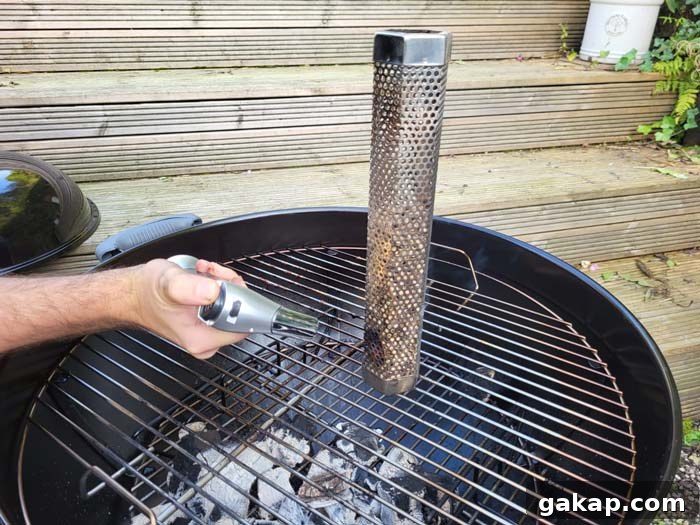
Instructions
- Clean the tube and remove any ash. Fill it with wood pellets, leaving them loose so air can circulate—don’t pack them tightly.
- Wearing heat-resistant gloves, hold the tube at a slight angle with tongs. Use a butane torch or heat gun to ignite the pellets at the open end. A heat gun usually lights the pellets in 20–30 seconds; a torch can take a few minutes. Watch for a steady stream of smoke.
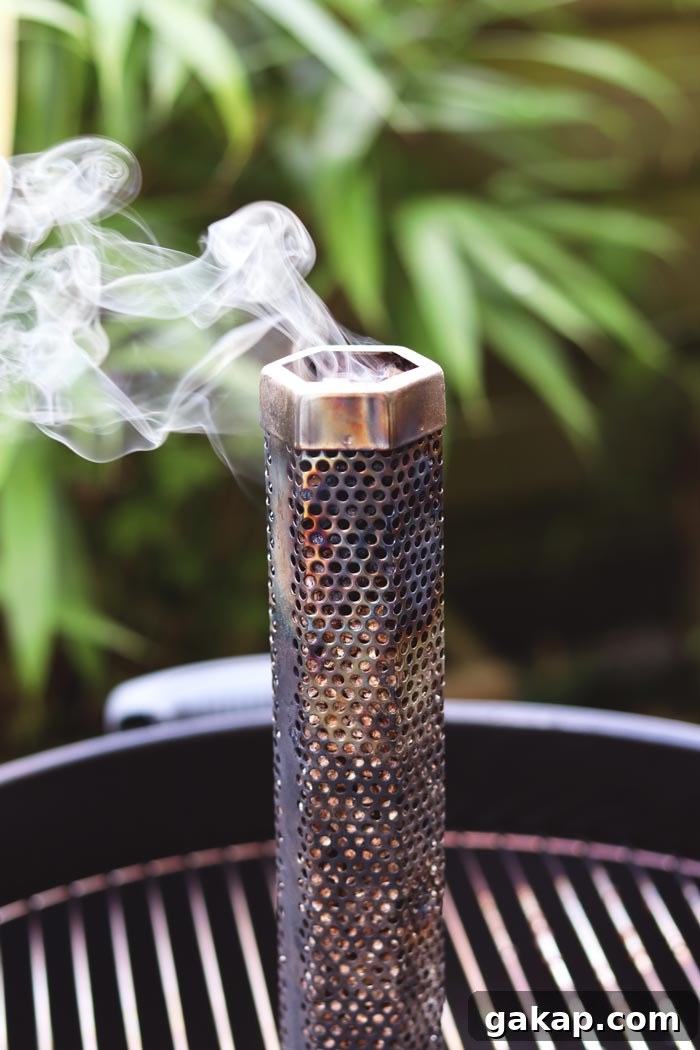
- After ignition, place the tube closed-side down on the grill grates so the embers can settle and the pellets begin to smolder. Allow up to 10 minutes for flames to die and smoke to stabilize.
- Position the smoking end toward the food and away from direct heat. Place the tube below the food when possible to let smoke rise through the cooking chamber.
- Monitor the smoke output every 30–45 minutes. If smoke declines, re-light as needed.
- When finished, do not douse the tube with water; soaking makes cleanup difficult and can warp metal from rapid cooling. Instead, let the tube burn out in the closed grill or smoker, closing vents if safe to do so to reduce oxygen and extinguish the embers.
- Allow the tube to cool fully, then empty ash and unburned pellets. Brush out residue and clear perforations so airflow remains good for next use.
Quick Tips
- Store pellets in an airtight container or sealed bag to keep moisture out and preserve burn quality.
- Place the tube where airflow is strongest—typically between the intake and exhaust vents—to help carry smoke across the food.
- After each use, sweep and wipe the tube to remove ash and residue so the perforations stay clear.
- Choose high-quality, clean-burning pellets for consistent, flavorful smoke with minimal bitter or chemical notes.
Pros and Cons of Using a Smoke Tube
Smoke tubes produce relatively clean smoke compared with lump charcoal or briquettes, making them excellent for delicate items like fish and cheese. They’re also versatile, working with charcoal, gas, and pellet grills to enhance smoke flavor without complex setups.
How much a smoke tube alters a hot-smoked dish depends on taste. It can deepen color and add smoke intensity to beef and pork, though excessive smoke or prolonged contact may introduce bitter notes. Finding the right balance takes a bit of practice.
Pros
- Ideal for Cold Smoking: Produces consistent smoke without excessive heat, perfect for cheese and fish.
- Long, Consistent Smoke: Pellets smolder for hours, and the tube’s design supports sustained low-temperature smoking.
- Versatile: Works in most outdoor cookers to add smoky flavor to pellet and gas grills as well as traditional smokers.
Cons
- Learning Curve: Lighting and maintaining a steady smoke stream can be tricky; tools like heat guns make it easier than matches or lighters.
- Indirect Temperature Control: The tube doesn’t regulate temperature, so you’ll need to manage ambient heat and airflow using your grill or smoker vents.
The Final Word
A smoke tube is a small but powerful tool for home smoking. It makes cold smoking accessible, enhances the smoke profile of pellet and gas grills, and adds flexibility to short and long cooks alike. With a little practice—choosing good pellets, positioning the tube for best airflow, and learning when to relight—you can reliably add attractive color and rich smoke flavor to a wide range of dishes.
Have you used a smoke tube before? What tips work best for you? Share your experience in the comments below.